Jungle Trekking Chiang Mai: A Complete Guide to Hill Tribes, Waterfalls, and Mountain Trails
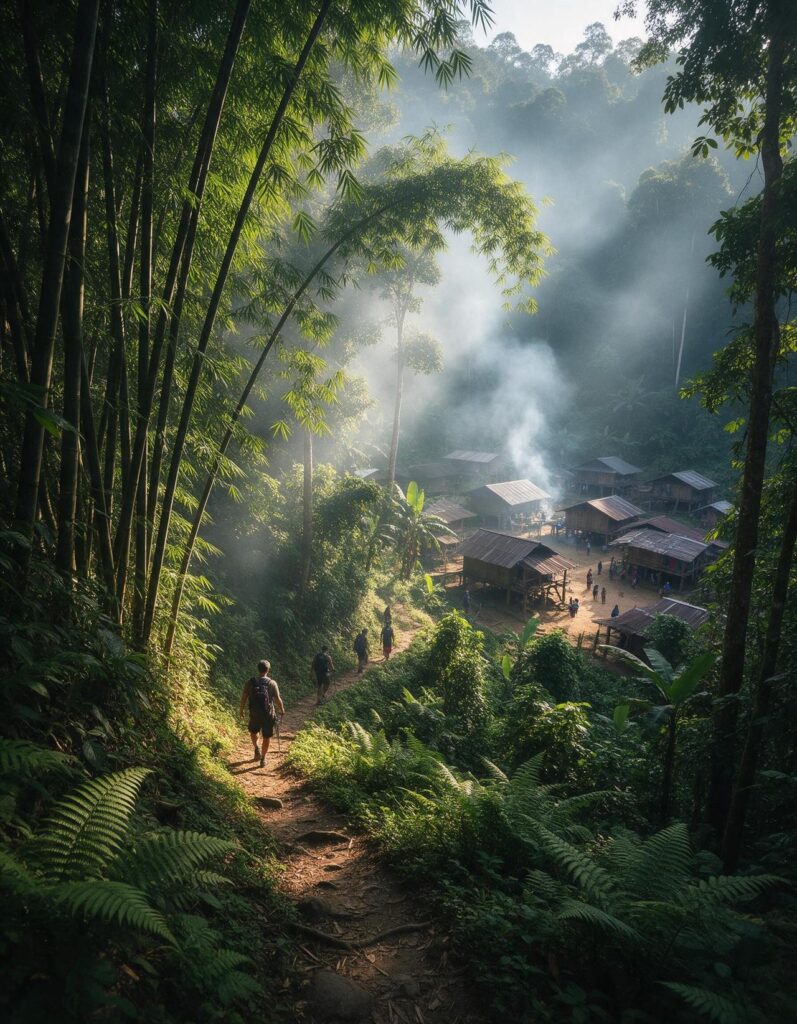
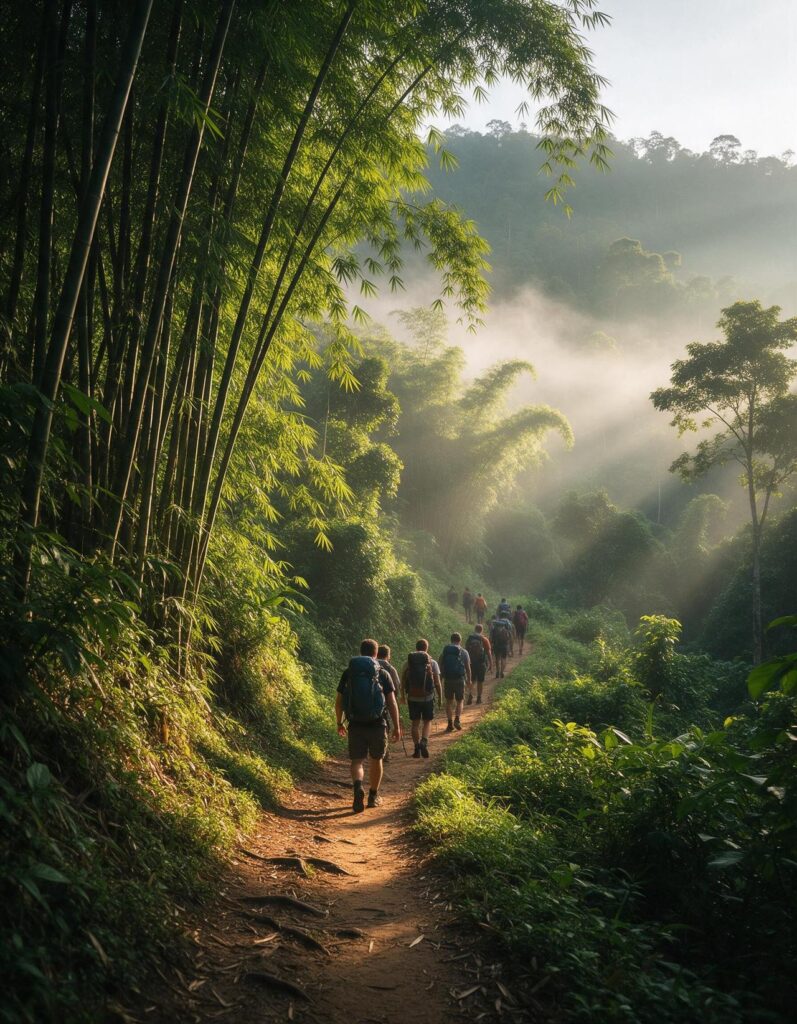
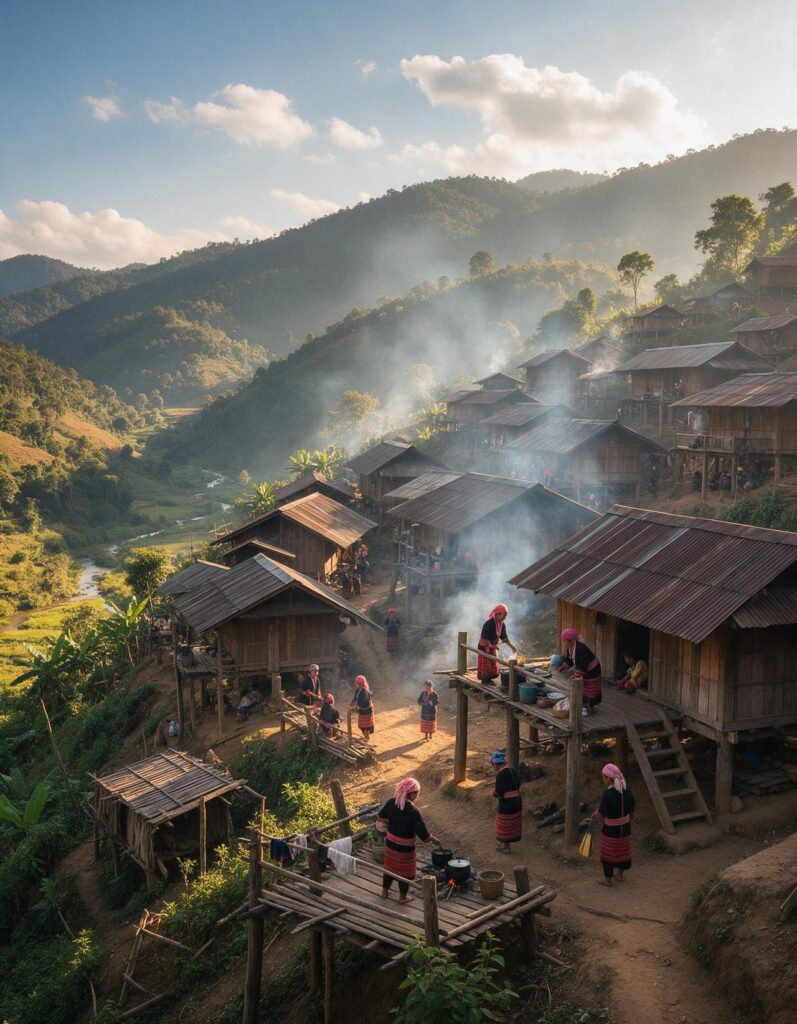
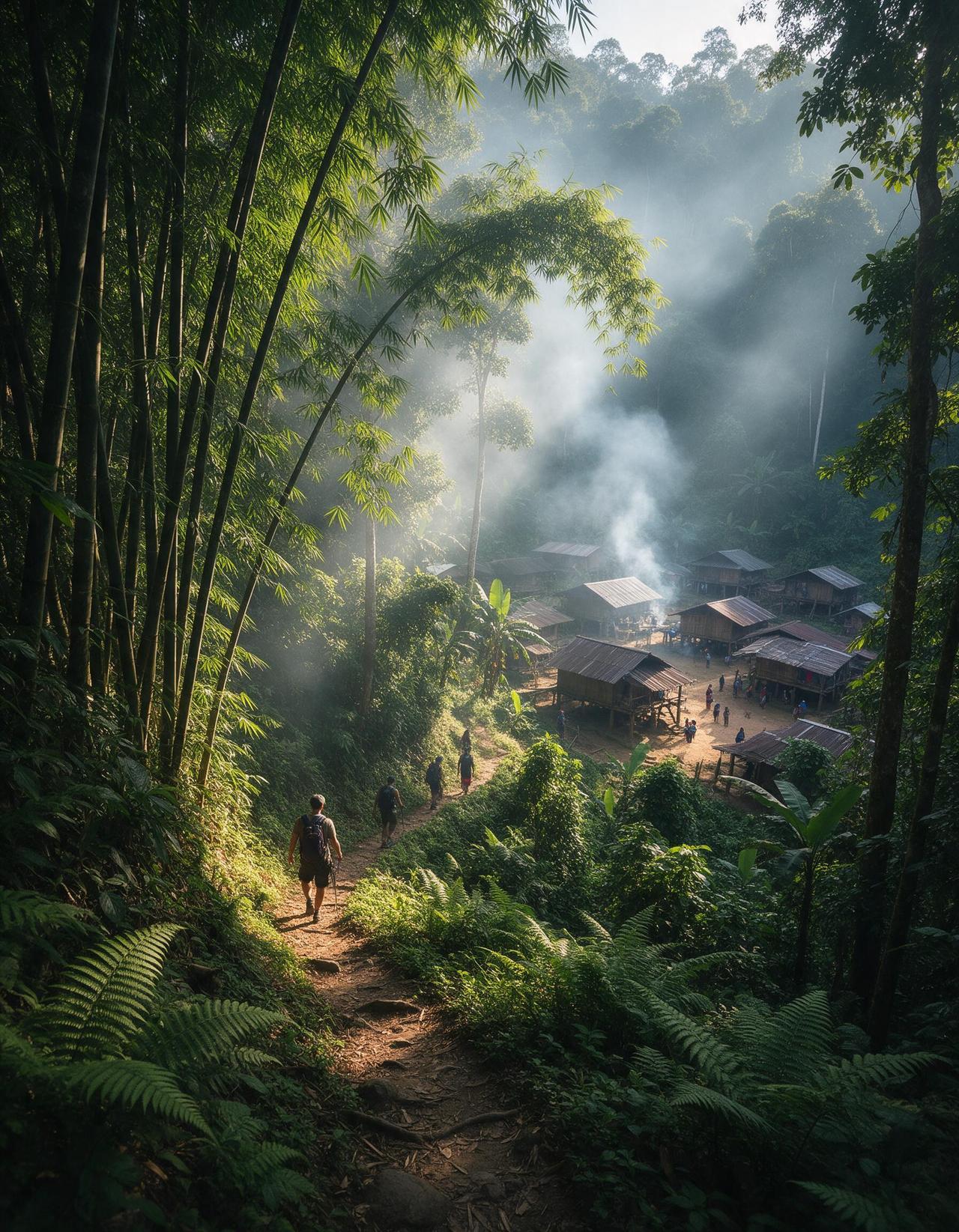
Jungle trekking in Chiang Mai is one of the most rewarding experiences in Thailand. The mountains of the north are covered in dense tropical forest, crisscrossed by rivers and waterfalls, and dotted with hill tribe villages that have existed for centuries. Here is a complete guide to planning and enjoying a trek in northern Thailand.
Choosing a Trek: Routes and Durations
One-Day Treks
One-day treks are a good option if you are short on time or unsure about your fitness level. They typically include 3-4 hours of hiking, a visit to a waterfall, and sometimes a bamboo rafting or elephant sanctuary visit. Cost: 800-1,200 THB ($23-$34 USD) including lunch and transport from Chiang Mai.
Two-Day/One-Night Treks
The most popular option. You hike 4-6 hours per day through jungle and farmland, visit a waterfall, and stay overnight in a hill tribe village. The second day is usually shorter, with bamboo rafting or a visit to an elephant sanctuary. Cost: 1,200-2,500 THB ($34-$71 USD) including all meals, transport, guide, and overnight stay.
Three-Day/Two-Night Treks
For those who want a deeper experience. You go further into the mountains, visit more remote villages, and see more wildlife. The pace is generally moderate. Cost: 2,000-3,500 THB ($57-$100 USD). This is the best option for seeing the real northern Thailand jungle.
Popular Trekking Areas
| Area | Distance from Chiang Mai | Highlights | Difficulty |
|---|---|---|---|
| Mae Taeng | 50 km (1 hr) | Waterfalls, Karen villages, bamboo rafting | Moderate |
| Chiang Dao | 70 km (1.5 hrs) | Limestone mountain, caves, Akha villages | Moderate-Hard |
| Mae Hong Son | 200+ km (full day) | Remote, pristine jungle, multi-day only | Hard |
| Doi Inthanon | 100 km (2 hrs) | Highest peak in Thailand, Karen villages, royal projects | Easy-Moderate |
| Doi Suthep-Pui | 15 km (30 min) | Closest to city, half-day walks, temple | Easy |
Hill Tribe Villages: Ethical Considerations
Northern Thailand is home to several hill tribe groups, including the Karen, Hmong, Lahu, Akha, and Lisu. Many trekking routes pass through or stay overnight in these villages. This can be a genuinely enriching cultural exchange — or it can be exploitative. Here is how to ensure your visit is ethical:
- Choose a reputable operator: Ask the trekking company how they support the village. Good companies pay the village for hosting, contribute to community projects, and limit group sizes.
- Avoid “human zoo” tours: Some villages (particularly the Karen “long-neck” villages near Mae Hong Son) have become tourist attractions where villages feel like open-air museums. These are controversial and we recommend avoiding them.
- Respect privacy: Ask before taking photos of people, especially children. Do not enter homes without invitation.
- Buy handicrafts: If villagers sell handicrafts, consider buying directly from them rather than from shops in Chiang Mai. This supports the local economy.
- Do not give gifts directly to children: This can encourage begging and disrupt school attendance. If you want to contribute, donate to the village school or a recognised NGO.
Elephant Experiences: Choose Ethically
Many traditional trekking tours included elephant rides. We strongly advise against riding elephants — the training process (known as “phajaan” or the crush) is cruel, and carrying tourists on their backs causes spinal injuries. Instead, choose a genuine elephant sanctuary:
- Elephant Nature Park: The gold standard. A rescue and rehabilitation centre about 60 km from Chiang Mai. No riding, no performances. You feed, walk with, and observe elephants. Half-day: 2,500 THB ($71 USD). Full day: 2,800 THB ($80 USD). Book well in advance.
- Elephant Jungle Sanctuary: Another ethical option with multiple locations. Half-day from 1,600 THB ($46 USD).
- Boon Lott’s Elephant Sanctuary (BLES): In Sukhothai, smaller and more intimate. For serious elephant lovers.
Red flags: Any place that offers elephant riding, painting, or circus-style performances is not ethical. If they call themselves a “sanctuary” but also offer rides, they are not a sanctuary.
What to Pack for a Jungle Trek
- Hiking shoes or sturdy trainers: The trail will be muddy, slippery, and steep in places. Do not wear flip-flops.
- One change of clothes: You will get sweaty and possibly wet. Pack lightweight, quick-dry clothing.
- Long pants: For protection from scratches, insects, and leeches. Lightweight hiking trousers are ideal.
- Rain jacket or poncho: Tropical rain can arrive suddenly. A lightweight poncho (20 THB / $0.60 USD) works fine.
- Insect repellent: DEET-based, 30-50% concentration.
- Sunscreen and hat: Parts of the trail are exposed.
- Headlamp or flashlight: Essential for night-time in the village. There is no electricity in many villages.
- Refillable water bottle: Guides usually provide water, but bring your own bottle to reduce plastic waste.
- Small towel: For showering (often at a village water pipe or stream).
- Snacks: Energy bars, nuts, or trail mix. Meals are provided, but you will be hungry on the trail.
- Plastic bag: To keep your phone and electronics dry.
What to Expect: A Typical Two-Day Trek
Day 1
- 8:00 AM: Pick up from your guesthouse in Chiang Mai. Drive 1-1.5 hours to the trailhead.
- 9:30 AM: Begin hiking. The trail goes through rice paddies, bamboo forest, and up into the mountains. Pace is moderate with frequent rest stops.
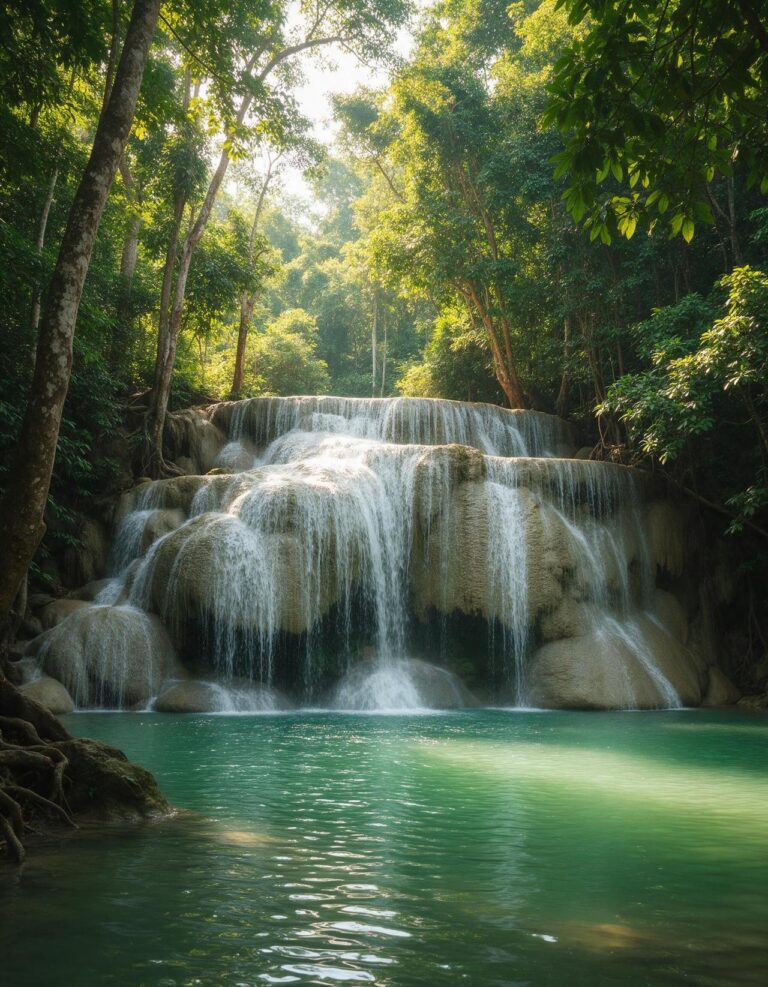
- 12:00 PM: Lunch stop at a waterfall (rice, curry, fruit prepared by the guide).
- 1:00 PM: Continue hiking, possibly through a river or stream.
- 3:30 PM: Arrive at the Karen village. Settle into the homestay. Explore the village, meet local families.
- 6:00 PM: Dinner prepared by the guide and village host. Usually rice, curry, stir-fried vegetables, and fruit.
- 7:30 PM: Evening around the fire, storytelling, stargazing (the sky is incredible with no light pollution).
Day 2
- 7:00 AM: Breakfast (eggs, toast, fruit, coffee).
- 8:00 AM: Short hike (1-2 hours) to a different area, often downhill.
- 10:00 AM: Bamboo rafting down a river (1-2 hours). You sit on a bamboo raft and float downriver — it is gentle, not white-water.
- 12:00 PM: Lunch at a local restaurant.
- 1:00 PM: Optional visit to an elephant sanctuary (if included in the tour).
- 4:00 PM: Return to Chiang Mai.
How to Choose a Trekking Company
- Group size: Maximum 8-10 people. Smaller groups are better for you and for the villages.
- Price: If a two-day trek costs 500 THB, something is wrong. They are cutting corners on food, guide wages, or village payments. Expect 1,200-2,500 THB ($34-$71 USD) for a good two-day trek.
- Read reviews: Check TripAdvisor and Google reviews. Look for mentions of ethical practices, guide knowledge, and group size.
- Ask questions: Does the company support the village? Are elephants ridden? What is included? A good company will answer transparently.
- Recommended operators: Chiang Mai Trekking (long-established), Pooh Eco Trekking (small groups, ethical), and Nature Hill Trekking are all reputable options.
Best Time to Trek
- November to February (cool, dry season): The best time. Temperatures are pleasant (15-25°C / 59-77°F at altitude), trails are dry, and the air is clear.
- March to May (hot season): Very hot, and March-April is burning season (farmers burn crop residue, causing haze). Not recommended.
- June to October (rainy season): Lush and green, waterfalls at their best, but trails are muddy and leeches are active. Only for the adventurous.