Scuba Diving in Thailand: Koh Tao vs Similan Islands — Which Is Better for You?
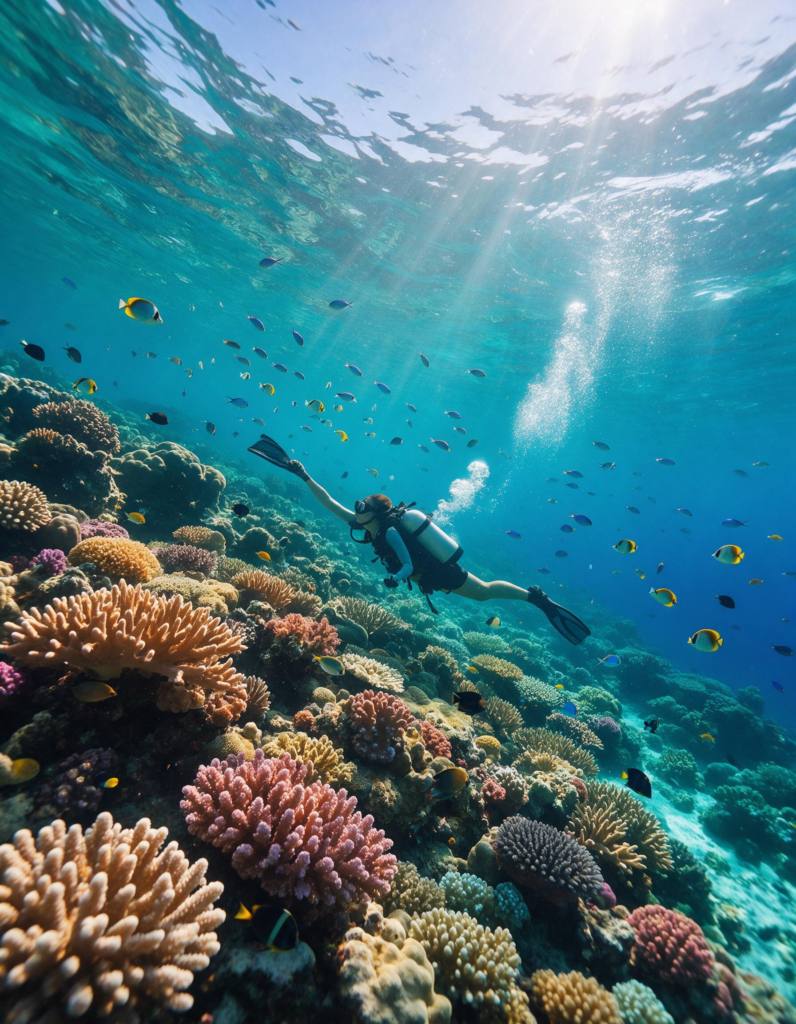
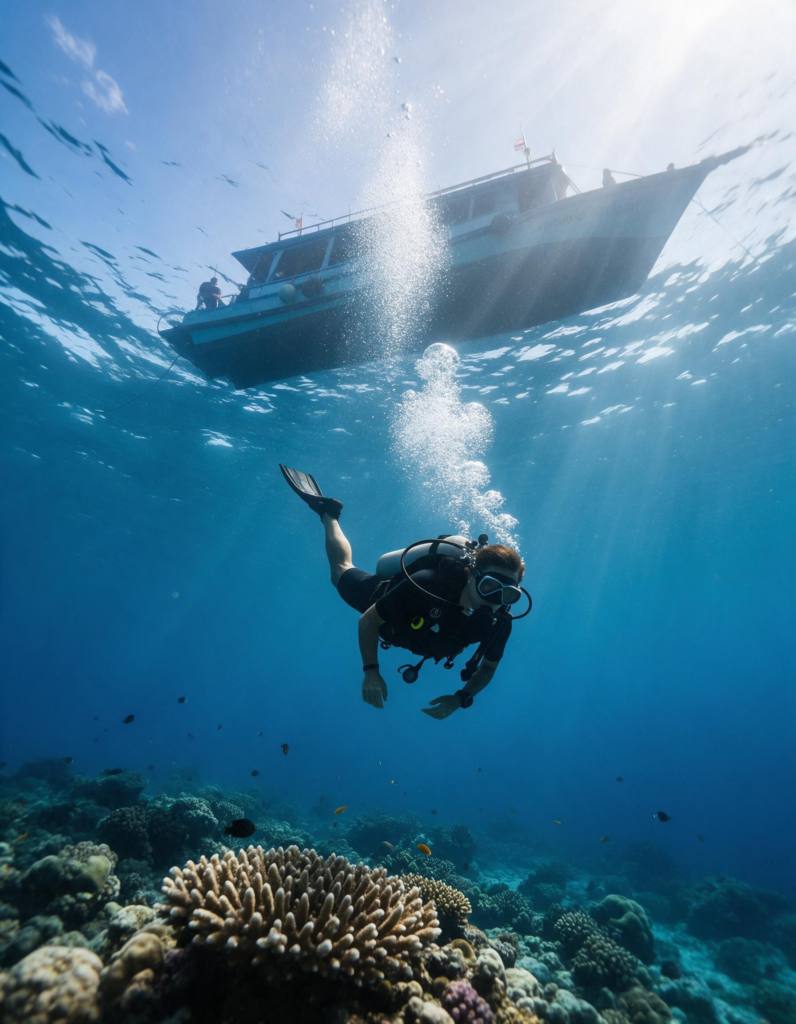
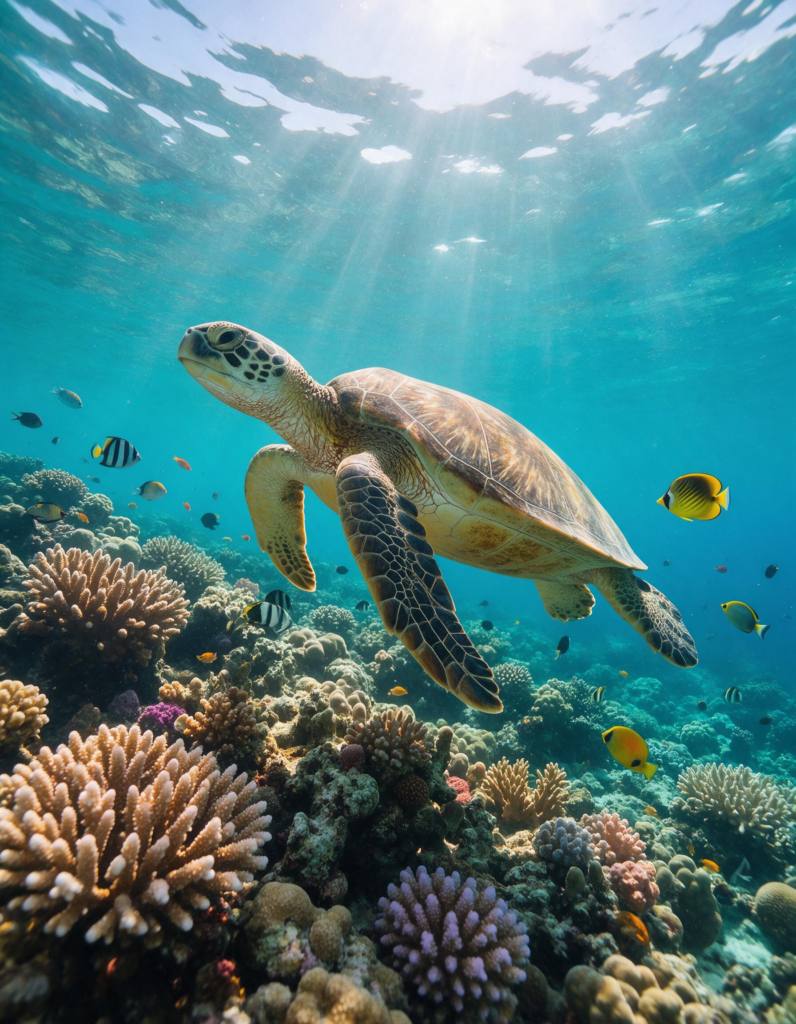
Thailand is one of the world’s most popular scuba diving destinations, and for good reason: warm water, affordable prices, diverse marine life, and excellent infrastructure. But the two main diving hubs — Koh Tao in the Gulf of Thailand and the Similan Islands in the Andaman Sea — offer very different experiences. Here is a detailed comparison to help you choose.
Quick Comparison
| Feature | Koh Tao | Similan Islands |
|---|---|---|
| Location | Gulf of Thailand (east) | Andaman Sea (west) |
| Best for | Beginners, certification courses | Experienced divers, liveaboards |
| Visibility | 10-20 metres | 20-40 metres |
| Water temp | 28-30°C year-round | 26-29°C (Nov-Apr); closed May-Oct |
| Whale shark chance | Low-moderate (Sail Rock) | Moderate (Richelieu Rock) |
| Open Water cost | 9,500-11,000 THB ($270-$315) | N/A (most trips require certification) |
| Liveaboard cost | N/A (day trips only) | 15,000-30,000 THB ($430-$860) |
| Vibe | Backpacker party island | Remote, pristine, serious diving |
| Best months | March-September | November-April |
Koh Tao: The Diving Capital
Koh Tao (Turtle Island) is a small island in the Gulf of Thailand, about 70 km north of Koh Phangan. It is the most popular place in the world to get PADI certified — over 50 dive shops operate on the island, certifying thousands of divers each year.
Top Dive Sites at Koh Tao
- Chumphon Pinnacle: The best deep dive site at Koh Tao. A submerged granite pinnacle starting at 16 metres and dropping to 35 metres. Schools of barracuda, batfish, and giant groupers. Occasionally visited by whale sharks (March-April and September-October).
- Sail Rock: Technically between Koh Tao and Koh Phangan, this is the best single dive in the Gulf. A wall dive starting at 5 metres, dropping to 40 metres. Famous for its “chimney” — a vertical swim-through. Whale sharks are spotted here more than anywhere else in the Gulf.
- Japanese Garden: A shallow site (6-16 metres) perfect for beginners and snorkellers. Beautiful coral formations and calm conditions.
- Southwest Pinnacles: Three submerged pinnacles (14-30 metres). Schools of pelagic fish, occasional leopard sharks resting on the bottom.
- Twins: Two adjacent pinnacles (5-18 metres). Great for training dives with plenty of marine life including butterflyfish, angelfish, and moray eels.
Getting Certified at Koh Tao
The PADI Open Water certification is the most common course taken on Koh Tao. It takes 3-4 days and includes theory, confined water (pool) training, and 4 open water dives. The certification is recognised worldwide and allows you to dive to 18 metres.
- Cost: 9,500-11,000 THB ($270-$315 USD). This includes all equipment, materials, certification fee, and accommodation at some shops.
- Advanced Open Water: Adds 5 specialty dives (deep, navigation, plus 3 choices). Cost: 8,000-10,000 THB ($230-$285 USD). 2-3 days.
- Resort courses / Discover Scuba: If you do not want a full certification, a one-day “discover scuba” experience costs about 2,000-3,000 THB ($57-$86 USD) and includes 2 dives with an instructor.
- Recommended shops: Big Blue Diving, Ban’s Diving Resort, and Crystal Dive are all reputable. Choose a shop with small class sizes (maximum 6 students per instructor is ideal).
Practical Info for Koh Tao
- Getting there: Ferry from Chumphon (1.5-2 hours), from Surat Thani/Donsak (2-3 hours), or from Koh Samui (1.5 hours). Lomprayah and Seatran are the main ferry operators. Cost: 500-1,000 THB ($14-$29 USD) one way.
- Accommodation: 200-500 THB ($5.70-$14.30 USD) for a basic fan room, 600-1,500 THB ($17-$43 USD) for air-conditioned. Many dive shops offer free or discounted accommodation with courses.
- Food: 50-150 THB ($1.40-$4.30 USD) per meal. The island has excellent cheap Thai food and western options.
- Best months: March to September. The Gulf is calmer during the southwest monsoon when the Andaman side is rough.
Similan Islands: World-Class Diving
The Similan Islands are a group of 11 islands in the Andaman Sea, about 70 km off the coast of Phang Nga Province. They form a national marine park and are widely considered to have the best diving in Thailand — and some of the best in Southeast Asia.
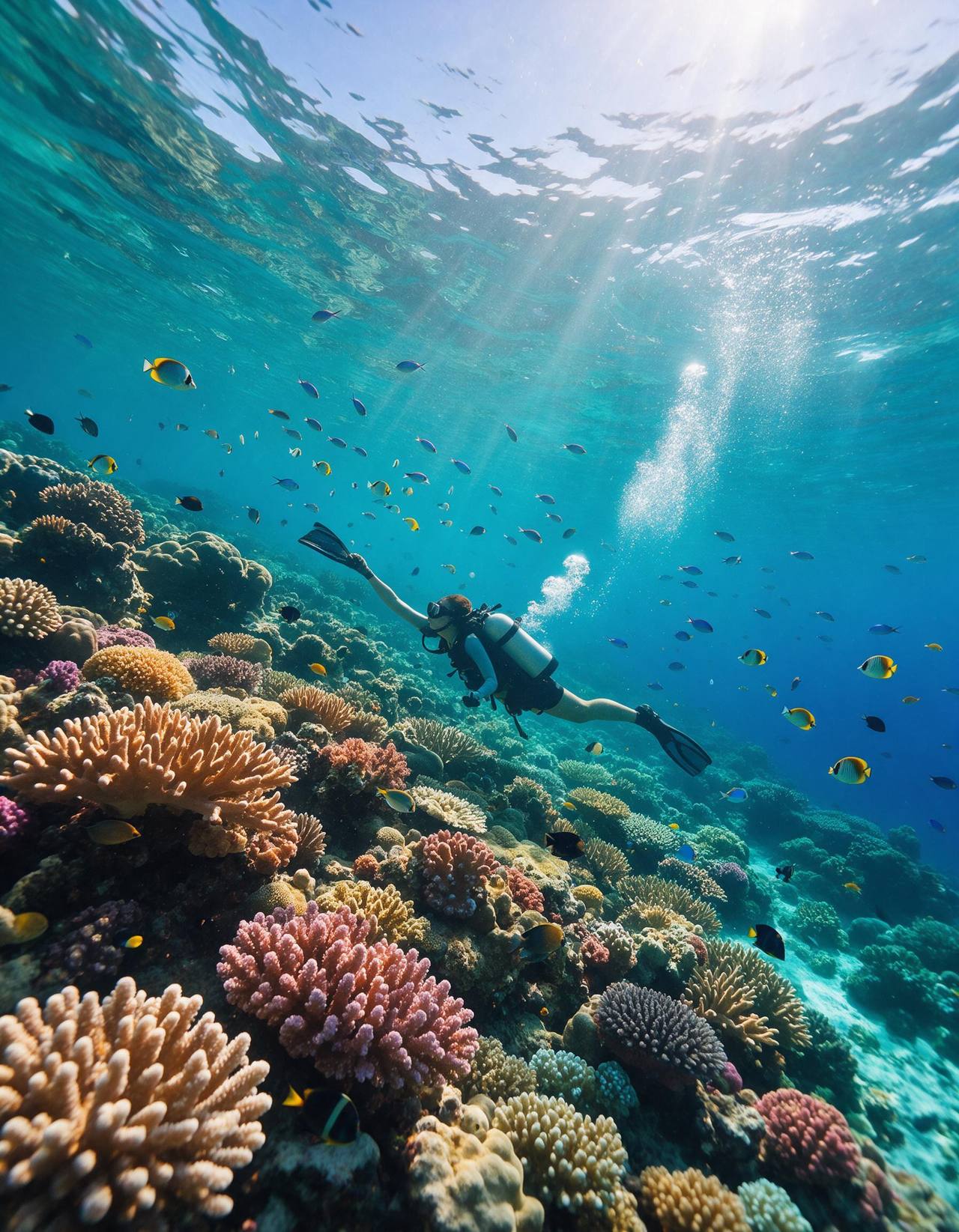
The Similans are famous for their dramatic underwater topography: massive granite boulders, caves, swim-throughs, and walls. The east coast of the islands features gentle sloping reefs with hard coral, while the west coast has dramatic boulder formations and stronger currents — ideal for experienced divers.
Top Dive Sites at the Similans
- Richelieu Rock: Often rated the best dive site in Thailand. A solitary purple-coloured pinnacle rising from 50 metres to just below the surface. Covered in soft corals and sea fans. Best place in Thailand for whale shark encounters (February-April). About 20 km east of the main Similan group, often visited on extended liveaboards.
- Elephant Head Rock: A series of massive underwater boulders with swim-throughs, tunnels, and caves. Strong currents attract pelagic species. Advanced divers only.
- East of Eden (Similan Island #7): A sloping reef from 5 to 35 metres with healthy hard corals. Great for all levels.
- Breakfast Bend (Similan Island #9): A gentle drift dive along a sloping reef. Perfect for morning dives. Schools of bluefin trevally and lionfish.
- Boulder City: An underwater landscape of massive granite boulders at 12-30 metres. Strong currents, but rewards with pelagic sightings.
Liveaboard Diving: The Similan Experience
The best way to dive the Similans is on a liveaboard — a dive boat where you sleep, eat, and dive for 2-5 days. This allows you to reach the more remote sites (like Richelieu Rock) and dive at times when day-trippers are not around.
| Trip Type | Duration | Dives | Cost Range |
|---|---|---|---|
| Short liveaboard | 2 days / 1 night | 7 | 12,000-18,000 THB ($340-$515) |
| Standard liveaboard | 4 days / 4 nights | 14 | 20,000-30,000 THB ($570-$860) |
| Extended liveaboard | 5-6 days | 18+ | 28,000-45,000 THB ($800-$1,285) |
| Day trip from Khao Lak | 1 day | 2-3 | 4,500-7,000 THB ($130-$200) |
Liveaboard boats range from basic (shared cabins, bunk beds) to luxury (en-suite cabins, gourmet meals). Prices include all meals, accommodation, diving, and equipment rental. National park fees (500 THB / $14.30 USD for foreigners) are additional.
Practical Info for the Similans
- Season: November to April. The park is closed from May to October due to monsoon conditions.
- Departure point: Most liveaboards depart from Tap Lamu pier, near Khao Lak (about 1 hour north of Phuket). Some depart from Phuket itself.
- Getting there: Fly to Phuket. From Phuket airport, it is about 1 hour to Khao Lak by taxi (800-1,200 THB / $23-$34 USD).
- Accommodation: Stay in Khao Lak before/after your liveaboard. Guesthouses from 500 THB ($14 USD), resorts from 1,500 THB ($43 USD).
- Certification requirement: Most liveaboards require at least Open Water certification (18 metres). Some sites require Advanced Open Water (30 metres) due to depth and current.
Other Notable Dive Destinations in Thailand
- Koh Lipe (Andaman Sea, south): Far south near the Malaysian border. Less visited than the Similans, beautiful reefs, great for snorkelling. Day trips and basic accommodation on Koh Lipe island.
- Hin Daeng / Hin Muang (Andaman Sea): Two submerged pinnacles south of the Similans. Deep dives with strong currents, but some of the best pelagic diving in Thailand. Accessed from Koh Lanta.
- Koh Phi Phi: Good for beginners and snorkelling. The diving is decent but not spectacular. Day trips from Phuket or Phi Phi itself. Shark Point (leopard sharks) is the best site.
- Chumphon Pinnacle (Koh Tao): See above — the best dive site accessible from Koh Tao.
My Recommendation
If you are a beginner or want to get certified: Go to Koh Tao. It is cheaper, more social, and the diving is perfectly good for learning. Spend a week, get your Open Water and maybe your Advanced, and enjoy the island.
If you are already certified and want the best diving in Thailand: Book a 4-day Similan Islands liveaboard from November to April. The visibility, marine life, and dive sites are on a different level. If you want the best chance of a whale shark, aim for a trip that includes Richelieu Rock, and go in February-March.