Pai: Mountain Retreat of Mae Hong Son
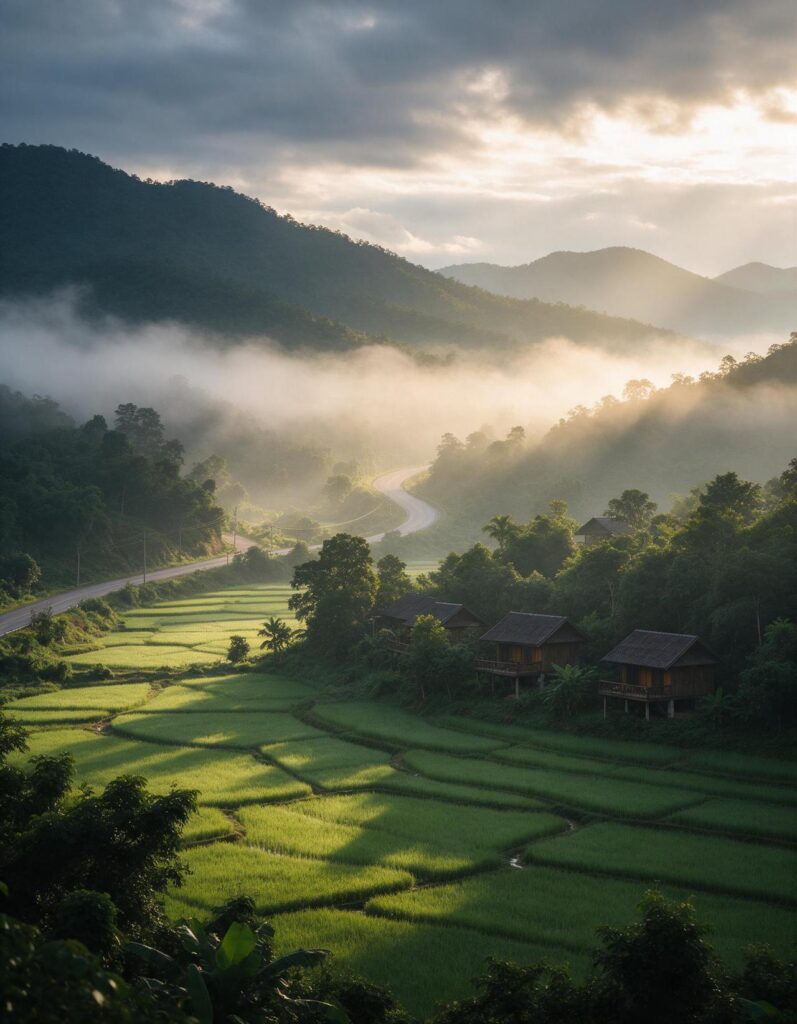
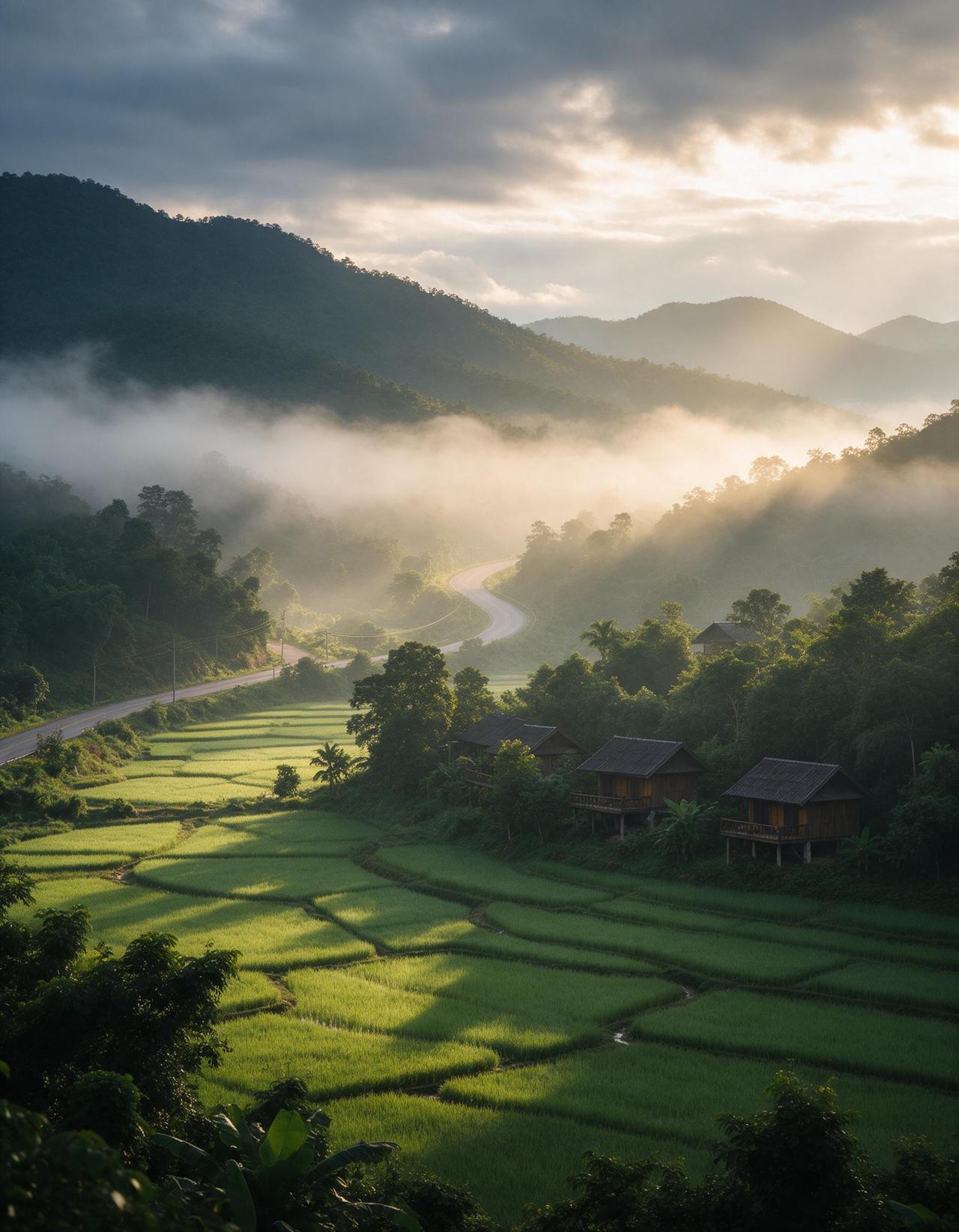
Pai is a small town in Mae Hong Son province, about 130 kilometres north of Chiang Mai, nestled in a valley surrounded by mountains in the heart of Northern Thailand. Once a quiet stop on the hippie trail, it has evolved into one of Thailand’s most beloved mountain retreats, attracting backpackers, digital nomads, and weekenders from Bangkok who come for the cool air, natural hot springs, waterfalls, and a pace of life that makes everything slow down. The road to Pai, with its famous 762 curves, is itself part of the adventure.
Things to Do in and Around Pai
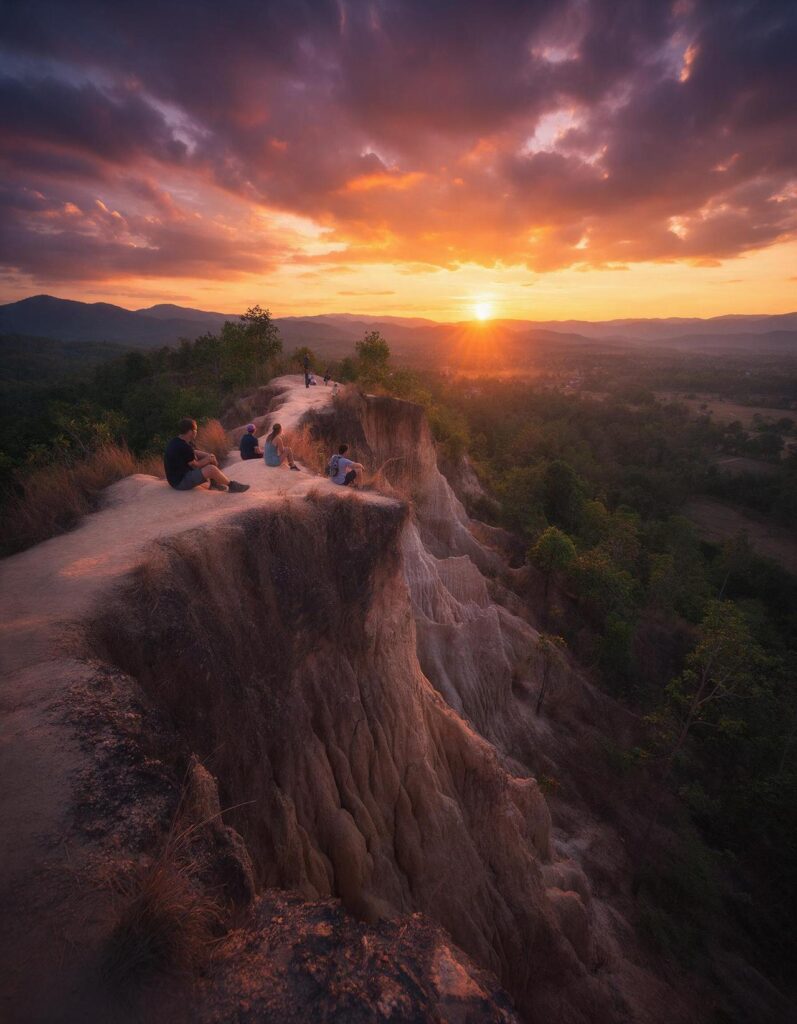
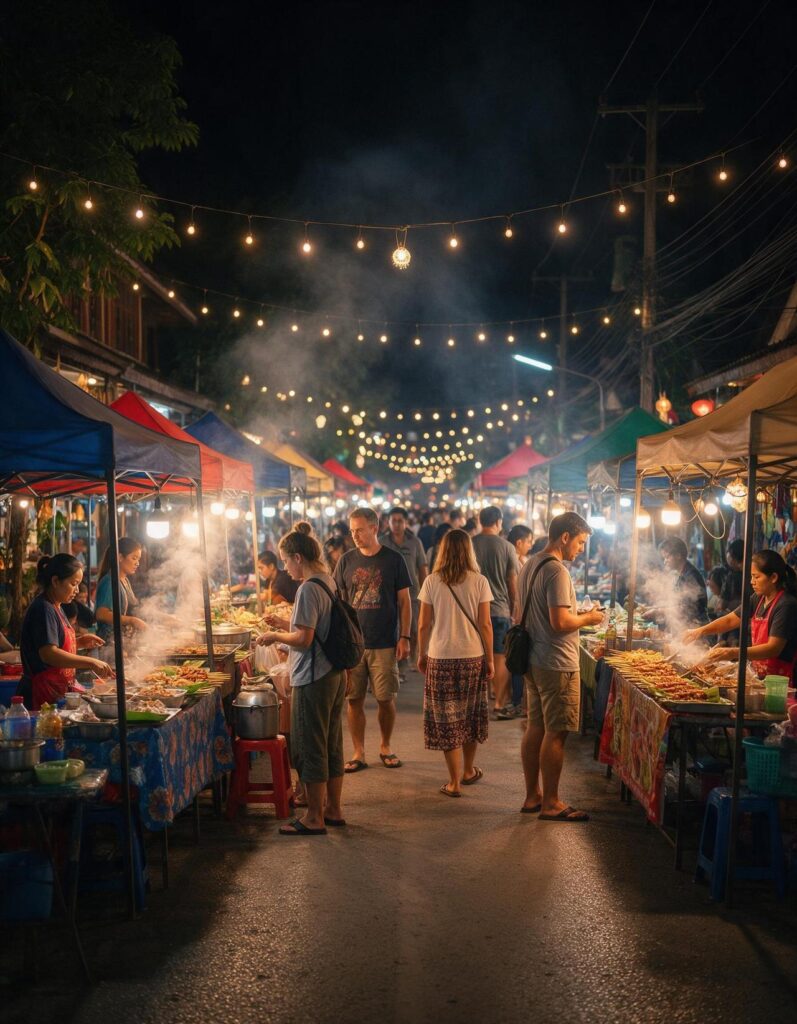
Pai Canyon (Kong Lan) is the must-see attraction, a narrow ridge of eroded earth that juts out over the valley, offering spectacular views, especially at sunset. The paths along the top are narrow and the drops are steep, so those with vertigo should proceed with caution. The Pai Hot Springs, located in a national park just outside town, offer natural mineral baths where you can soak in water heated by geothermal activity. Tha Pai Memorial Bridge, a WWII-era steel bridge, is a popular photo spot, and the nearby Pai Walking Street comes alive every evening with food stalls, live music, and handicraft vendors.
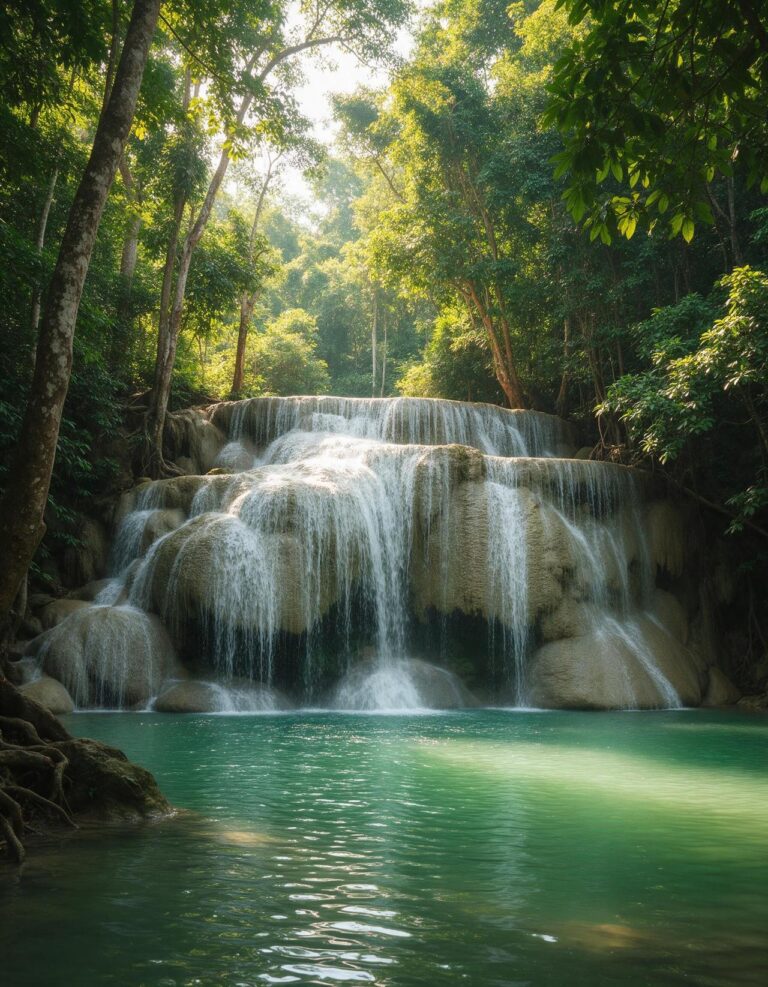
Beyond the town, the surrounding countryside is a patchwork of rice paddies, waterfalls, and hill tribe villages. Mo Paeng Waterfall, about 8 kilometres from town, has a natural rock slide that you can slide down into the pool below. Pam Bok Waterfall, set in a narrow canyon, is a beautiful spot for a swim. For those willing to ride further, the Lod Cave, about 50 kilometres from Pai, is a massive cave system that you explore by bamboo raft along an underground river, guided by local people who have navigated the darkness for generations.
Practical Tips for Visitors
- Getting there: Minivan from Chiang Mai Arcade Bus Terminal (3-4 hours, 150-200 THB) or fly to Mae Hong Son then drive. The road has 762 curves; take motion sickness medication if needed.
- Getting around: Rent a scooter (150-250 THB/day). The roads are generally well-maintained but winding. If you are not comfortable on a scooter, hire a songthaew for the day (800-1,000 THB).
- Best time to visit: November to February for cool, dry weather (lows of 15 degrees Celsius at night). March and April bring burning season smoke. May to October is green season with occasional rain.
- Accommodation: Budget bungalows from 300 THB, mid-range from 800 THB, and boutique resorts from 2,000 THB. Many places are nestled in the countryside rather than in town.
- What to bring: Warm layers for evenings, a rain jacket in green season, sturdy shoes for hiking, and a headlamp for exploring caves and the canyon at dusk.
The Pai Walking Street is the social heart of the town. Every evening, the main street closes to traffic and transforms into a night market with dozens of food stalls, live music venues, craft sellers, and massage shops. The food here is diverse and affordable, from traditional northern Thai dishes like khao soi and sai oua (northern Thai sausage) to vegetarian and vegan options, wood-fired pizzas, and the famous banana roti. A meal costs 40-100 THB, and the atmosphere is warm, communal, and unhurried. Live music spills out from bars along the street, and it is easy to end up making friends with travellers from around the world.
For those interested in wellness, Pai has become a hub for yoga and meditation retreats. Several centres in and around town offer drop-in classes, multi-day retreats, and workshops on topics like sound healing, breathwork, and vipassana meditation. The natural hot springs, the cool mountain air, and the slow pace of life create an ideal environment for self-care and reflection. Many visitors come for a few days of yoga and end up staying for weeks, drawn in by the community and the landscape.
Pai is the kind of place that defies itineraries. You may plan to stay two nights and find yourself there two weeks later, having made friends, learned to ride a scooter, and watched more sunsets from the canyon than you thought possible. It is not grand or spectacular in the way of the Grand Palace or Angkor Wat, but its charm lies in its simplicity: mountains, hot springs, good food, and a community of people who have chosen to be there. Embrace the slow pace, and Pai will give you one of the most relaxing experiences of your trip to Thailand.