Digital Nomad Guide to Thailand 2026: Best Cities, Visas, Coworking, and Real Monthly Budgets
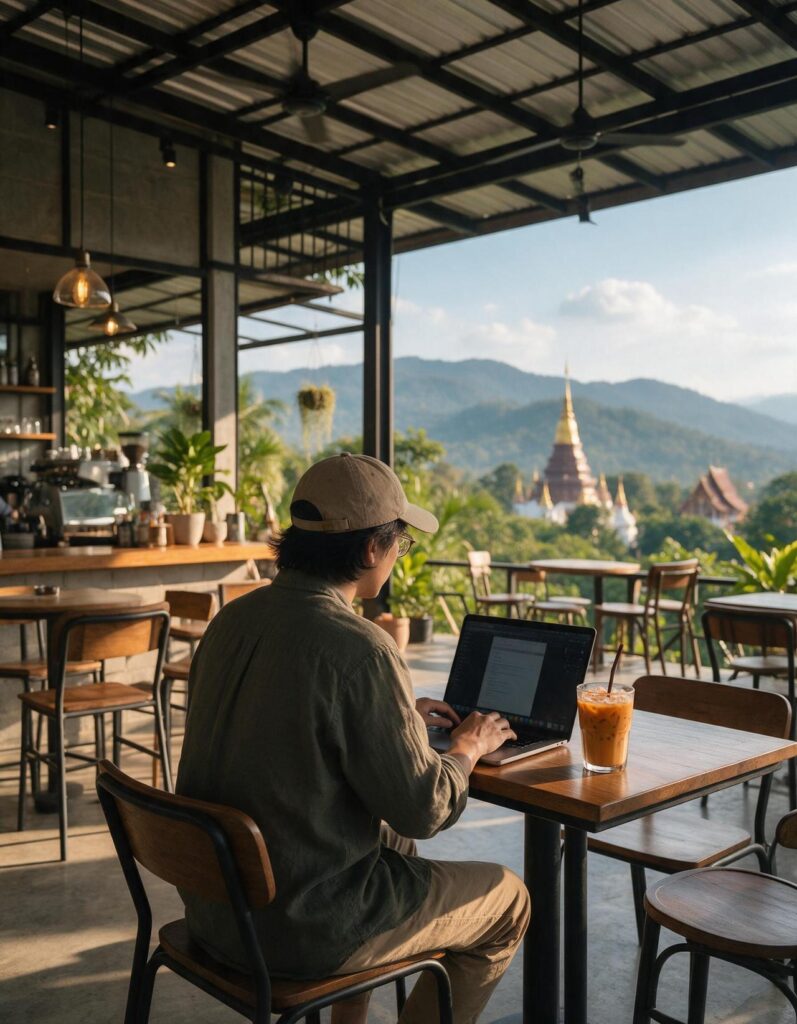
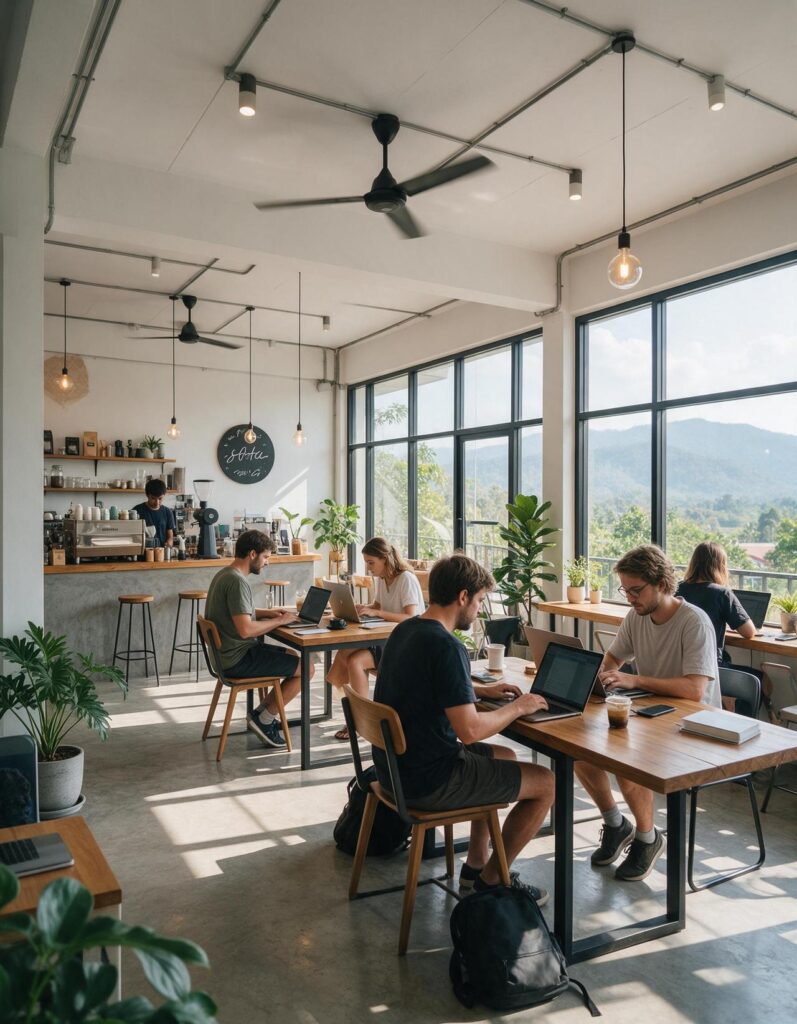
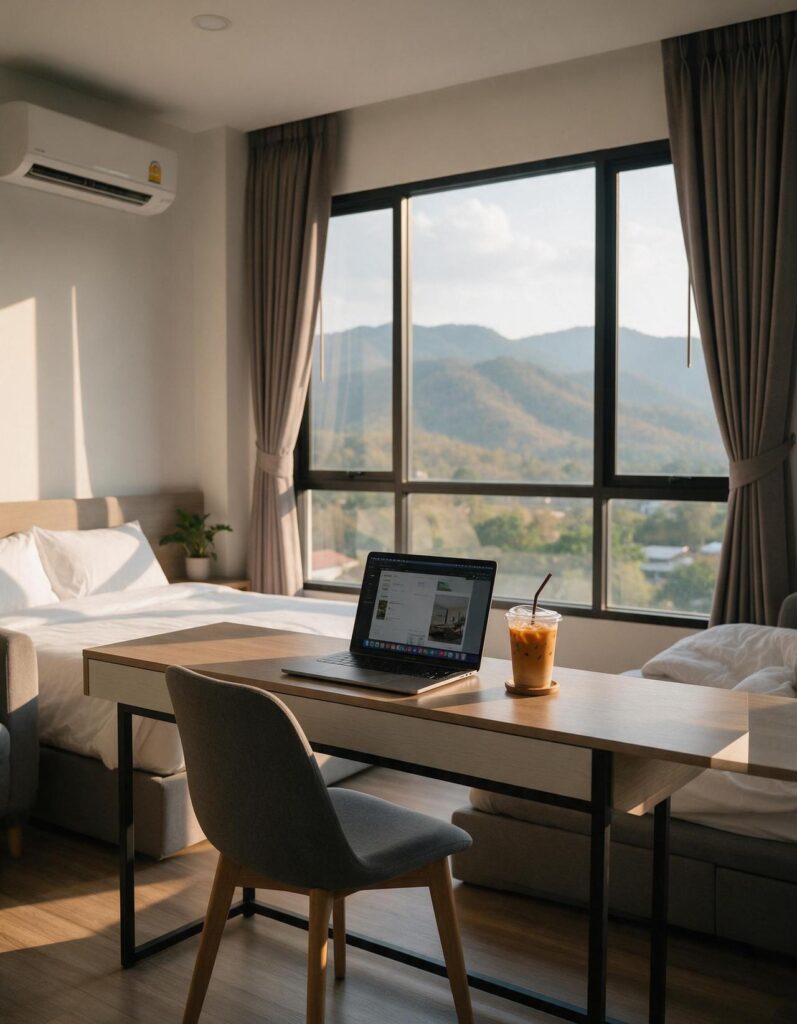
Thailand has been one of the world’s top digital nomad destinations for over a decade — and for good reason. Fast internet, low cost of living, incredible food, beautiful scenery, and a welcoming culture make it the ideal base for remote workers. With the introduction of the Destination Thailand Visa (DTV) in 2024, it is now easier than ever to live and work legally in Thailand. Here is a local’s complete 2026 guide to being a digital nomad in Thailand.
Visas for Digital Nomads in 2026
Destination Thailand Visa (DTV) — Best Option
The DTV is a five-year multiple-entry visa designed specifically for digital nomads, freelancers, and remote workers. Each entry allows a stay of up to 180 days, which can be extended once for another 180 days at a Thai immigration office.
- Validity: 5 years from date of issue.
- Stay per entry: Up to 180 days (extendable once for 180 more).
- Cost: 10,000 THB ($286 USD) application fee.
- Requirements: Bank balance of at least 500,000 THB ($14,300 USD) held for at least 3 months, or proof of income of at least 80,000 THB ($2,290 USD) per month.
- Who qualifies: Remote workers, freelancers, digital nomads, people taking cultural courses (Muay Thai, Thai cooking, meditation).
- How to apply: Apply at a Thai embassy or consulate in your home country, or at a nearby embassy (Vientiane, Penang, Kuala Lumpur) if already in the region. Processing time: 1-4 weeks.
Other Visa Options
- Tourist Visa (TR): 60 days, extendable 30 more. Good for a trial visit. Fee: 1,000 THB ($29 USD).
- Visa Exemption: Citizens of 93 countries (including USA, UK, Canada, Australia, most EU) get 60 days free on arrival. Extendable 30 more days for 1,900 THB ($54 USD). Not ideal for long-term remote work.
- Non-Immigrant B (Business): If you have a Thai employer or set up a Thai company. More complex, requires work permit.
- Elite Visa: 5-20 years of residency for 600,000-2,000,000 THB ($17,000-$57,000 USD). The “fast lane” option — no income requirements, just pay the fee.
Best Cities for Digital Nomads
1. Chiang Mai — The Digital Nomad Capital
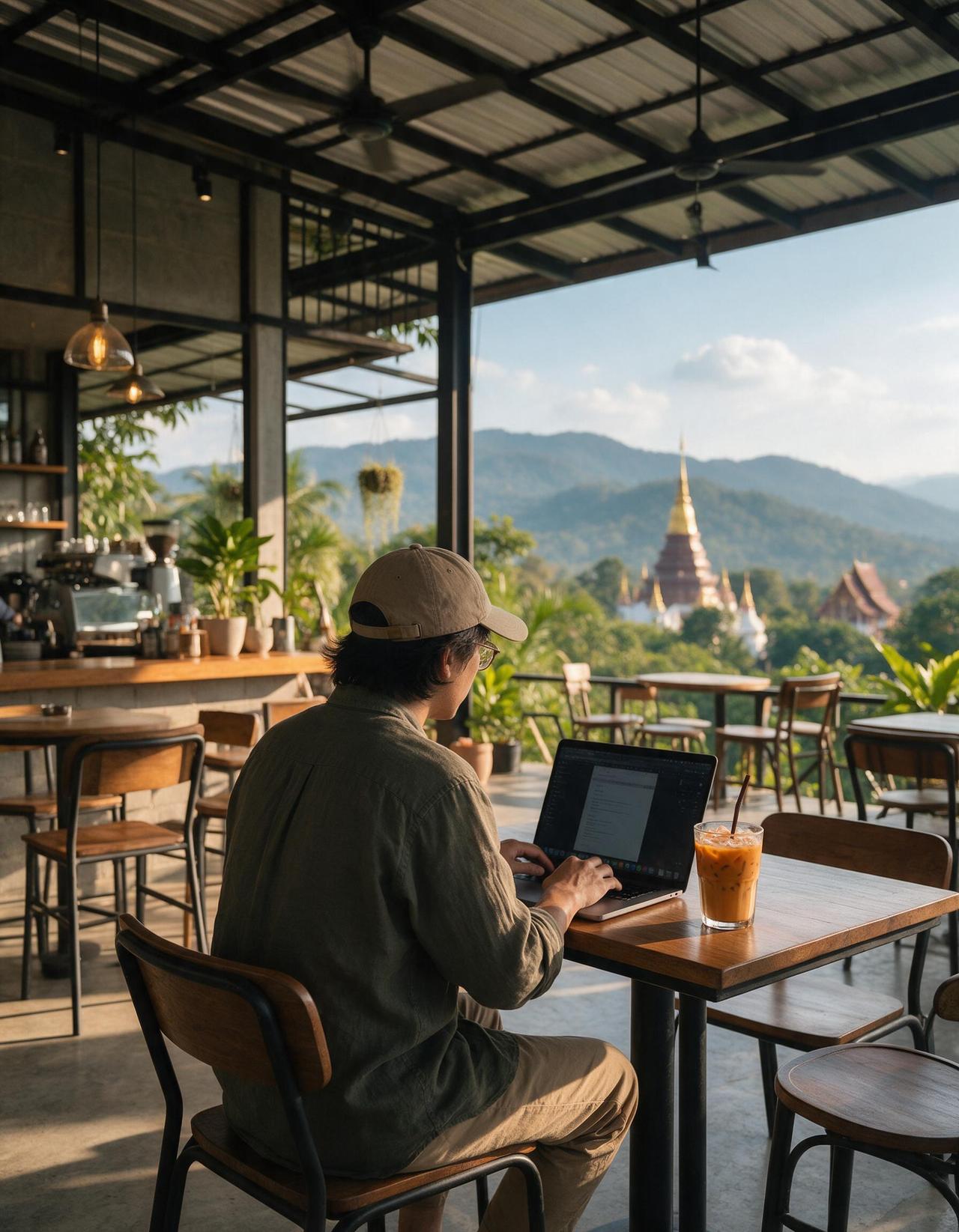
Chiang Mai has been the undisputed digital nomad capital of Southeast Asia for years. The combination of low cost of living, excellent internet, world-class coffee, and a huge nomad community makes it the obvious choice for first-timers.
- Monthly budget: 30,000-50,000 THB ($860-$1,430 USD) for a comfortable lifestyle.
- Rent: 8,000-15,000 THB ($230-$430 USD) for a nice 1-bedroom condo with pool and gym in Nimman area.
- Internet: 500-1,000 Mbps fiber at most condos and coworking spaces. Mobile 5G widely available.
- Coworking: Punspace (Tha Phae and Nimman locations), CAMP (in Maya Mall), Hub53, Mana Coworking. Day passes 200-400 THB ($5.70-$11.40 USD). Monthly 2,500-4,000 THB ($71-$114 USD).
- Best areas: Nimmanhaemin (Nimman) for modern, trendy, cafes. Old City for culture and temples. Hang Dong / Canal Road for quieter, residential living.
- Pros: Affordable, large nomad community, great coffee, cooler weather than Bangkok, walkable in Nimman.
- Cons: Burning season (March-April) has severe air pollution. No international airport with direct flights to Europe/US. Not a beach destination.
2. Bangkok — Big City Energy
If you need big-city amenities — direct flights, international hospitals, world-class dining, luxury shopping — Bangkok is your base. More expensive than Chiang Mai but offers more networking opportunities and infrastructure.
- Monthly budget: 40,000-70,000 THB ($1,140-$2,000 USD).
- Rent: 12,000-25,000 THB ($340-$715 USD) for a 1-bedroom condo near BTS in Sukhumvit or Silom.
- Internet: 1 Gbps fiber widely available. 5G everywhere.
- Coworking: The Hive (Thonglor, Prakanong, Bangkok HQ), JustCo (multiple locations), WeWork (Equity Building, Sam Yan), HUBBA (Ekkamai). Day passes 300-600 THB ($8.50-$17 USD). Monthly 3,500-6,000 THB ($100-$171 USD).
- Best areas: Sukhumvit (Asok, Thonglor, Phrom Phong) for convenience and BTS access. Silom for business and nightlife. Sathorn for business.
- Pros: Direct flights everywhere, world-class hospitals (Bumrungrad, Bangkok Hospital), incredible food scene, networking opportunities, never boring.
- Cons: Expensive, traffic, air pollution, not walkable, noisy.
3. Phuket — Beach and Work
For those who want to combine remote work with beach life. Phuket has good infrastructure, an international airport, and beautiful beaches. More expensive than Chiang Mai, less crowded than Bangkok.
- Monthly budget: 40,000-70,000 THB ($1,140-$2,000 USD).
- Rent: 12,000-25,000 THB ($340-$715 USD) for a 1-bedroom condo in Kata, Karon, or Rawai.
- Coworking: Laguna Coworking (Boat Avenue), HOMA (Karon), KoHub (nearby Koh Lanta). Day passes 300-500 THB ($8.50-$14.30 USD).
- Best areas: Kata/Karon for beaches and lifestyle. Rawai/Nai Harn for south coast living. Cherngtalay/Bang Tao for Laguna area (upscale).
- Pros: Beaches, international airport, good infrastructure, diving and water sports.
- Cons: Expensive (especially in peak season), seasonal (monsoon May-October), tourist crowds, less nomad community than Chiang Mai.
4. Koh Phangan — Island Nomad Life
A growing digital nomad hub, known for its yoga, wellness, and beach lifestyle. The island has a growing community of long-term nomads, especially in the Sri Thanu and Hin Kong areas on the northwest coast.
- Monthly budget: 35,000-55,000 THB ($1,000-$1,570 USD).
- Rent: 10,000-18,000 THB ($286-$515 USD) for a bungalow or studio.
- Coworking: BeeSpace (Sri Thanu), Coco Core (Thong Sala). Day passes 200-400 THB ($5.70-$11.40 USD).
- Pros: Beautiful beaches, yoga and wellness community, Full Moon Party (if you like that), affordable, growing nomad scene.
- Cons: Need ferry from mainland (Donsak or Surat Thani), limited medical facilities, can be isolated, spotty internet in some areas.
Real Monthly Budget Breakdown (Chiang Mai)
| Expense | Budget (THB) | USD | Notes |
|---|---|---|---|
| Rent (1BR condo) | 10,000-15,000 | $286-$430 | Nimman area, pool and gym |
| Utilities (electric, water, internet) | 1,500-2,500 | $43-$71 | AC raises electric bill |
| Coworking (monthly) | 2,500-4,000 | $71-$114 | Punspace, CAMP |
| Food (local restaurants) | 6,000-10,000 | $171-$286 | 50-100 THB/meal at local places |
| Food (Western/tourist restaurants) | 3,000-6,000 | $86-$171 | 200-400 THB/meal |
| Coffee (specialty cafes) | 2,000-4,000 | $57-$114 | 80-150 THB per cup |
| Transport (Grab, scooter) | 2,000-4,000 | $57-$114 | Scooter rental 250 THB/day |
| Visa (amortized monthly) | 1,000-2,000 | $29-$57 | DTV amortized over 5 years |
| Insurance (health) | 2,000-3,000 | $57-$86 | Expat health insurance |
| Misc (entertainment, shopping) | 3,000-5,000 | $86-$143 | Massages, movies, weekend trips |
| Total | 33,000-55,000 | $940-$1,570 | Comfortable nomad lifestyle |
Practical Tips for Digital Nomads in Thailand
Internet and SIM Cards
- Best mobile providers: AIS (best coverage nationwide), True Move (good in cities), DTAC (merged with True Move in 2023). Get a tourist SIM at the airport (7-Eleven, or AIS/True Move counters) for 50-300 THB ($1.40-$8.50 USD) plus a data package.
- Monthly data: Unlimited 5G plans cost 300-500 THB ($8.50-$14.30 USD) per month. AIS is the most reliable for coverage in rural areas.
- Home internet: If your condo does not include internet, AIS Fibre and True Online offer 500 Mbps-1 Gbps plans for 590-1,290 THB ($17-$37 USD) per month. Most condos include free wi-fi (usually 50-100 Mbps).
- Backup: Always have a mobile data backup. Power outages and internet disruptions happen. Buy a portable power bank (500-800 THB / $14-$23 USD).
Banking and Money
- Opening a Thai bank account: Difficult without a long-term visa and work permit. With a DTV, some banks will open an account (try Bangkok Bank or Kasikornbank). You need your passport, visa, and a letter from your embassy or immigration. Bring 500-1,000 THB opening deposit.
- ATMs: Withdrawal limit 20,000-30,000 THB per transaction, fee 220 THB ($6.30 USD) per withdrawal. Use a fee-free card like Wise, Revolut, or Charles Schwab debit.
- Wise (TransferWise): The cheapest way to receive international payments and transfer money to Thai bank accounts. Most nomads use Wise for client payments.
- Cash is king: Many small restaurants, markets, and songthaews are cash-only. Always carry 1,000-3,000 THB in cash.
Health and Insurance
- Hospitals: Thailand has excellent private hospitals. Bumrungrad (Bangkok) is one of the best in Southeast Asia. Chiang Mai Ram is excellent in the north. A standard doctor visit costs 1,000-2,000 THB ($29-$57 USD) at a private hospital.
- Pharmacies: Boots and Watsons are everywhere. Most medications are available over the counter without a prescription (antibiotics, antihistamines, birth control).
- Insurance: Get international health insurance. Cigna, Allianz, and SafetyWing (designed for nomads, from $45/month) are popular options. Check that Thailand is covered in the plan.
- Emergency number: 1669 for ambulance (English-speaking operators in Bangkok and Chiang Mai).
Getting Around
- Grab: The Southeast Asian Uber. Available everywhere in Thailand. Cars, motorbike taxis, and food delivery. Download the app.
- Bolt: A cheaper alternative to Grab, available in Bangkok and Chiang Mai. Often 20-30% cheaper.
- Scooter rental: 200-300 THB ($5.70-$8.50 USD) per day. You need an international driving permit (IDP) with motorcycle endorsement, or a Thai motorcycle license. Many nomads rent without one, but if you get in an accident, insurance may not cover you without a valid license. Always wear a helmet — it is the law and it saves lives.
- BTS/MRT (Bangkok): 16-60 THB ($0.45-$1.70 USD) per trip. Get a Rabbit Card (BTS) or MRT card for convenience. Traffic in Bangkok is terrible — use public transit whenever possible.
- Songthaews (Chiang Mai): Red trucks (rot daeng) cost 30 THB ($0.85 USD) per shared ride within the city. Flag one down, state your destination, and press the buzzer when you want to get off.
Community and Networking
- Facebook groups: Join “Chiang Nomads” (for Chiang Mai), “Bangkok Digital Nomads” (for Bangkok), “Digital Nomads Thailand”. These groups have thousands of members and are the primary way nomads connect, find apartments, and organize meetups.
- Meetups: Search Meetup.com and Eventbrite for nomad events. Chiang Mai has weekly nomad meetups at various cafes and bars. Bangkok has tech and startup meetups at coworking spaces.
- Coworking spaces: The best place to meet other nomads. Day passes let you try different spaces before committing to a monthly membership.
- Line app: Line is the dominant messaging app in Thailand (like WhatsApp in the West). Download it — many Thai contacts, landlords, and service providers prefer Line over email or phone calls.
Seasons and When to Come
| Season | Months | Weather | Recommendation |
|---|---|---|---|
| Cool/Dry | November-February | 20-30°C, low humidity, sunny | BEST time to come. Peak season, highest prices. |
| Hot | March-May | 30-40°C, dry, very hot | Avoid March-April in the north (burning season, severe haze). Beaches are good. |
| Rainy/Monsoon | June-October | 25-35°C, humid, afternoon rains | Cheapest prices, fewer tourists. Rains are usually brief afternoon showers, not all-day. |