Thailand Homestays Guide: How to Experience Real Thai Life for Under $30 a Night
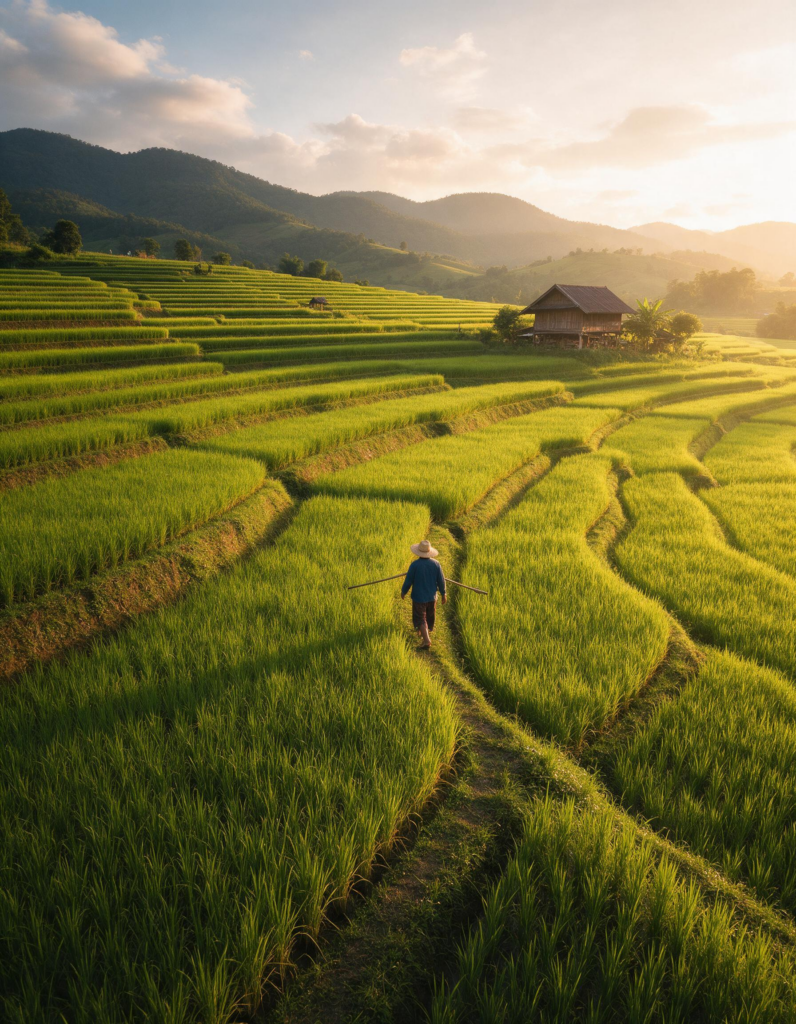
Hotels are comfortable, but they will not teach you about Thailand. If you want to understand how Thai people really live — what they eat for breakfast, how they interact with family, what their daily life looks like — you need to stay in a homestay. Thailand has one of the best community-based tourism networks in Southeast Asia, with hundreds of registered homestays across the country. Here is a local’s guide to finding, booking, and enjoying the best homestays in Thailand.
What Is a Thai Homestay?
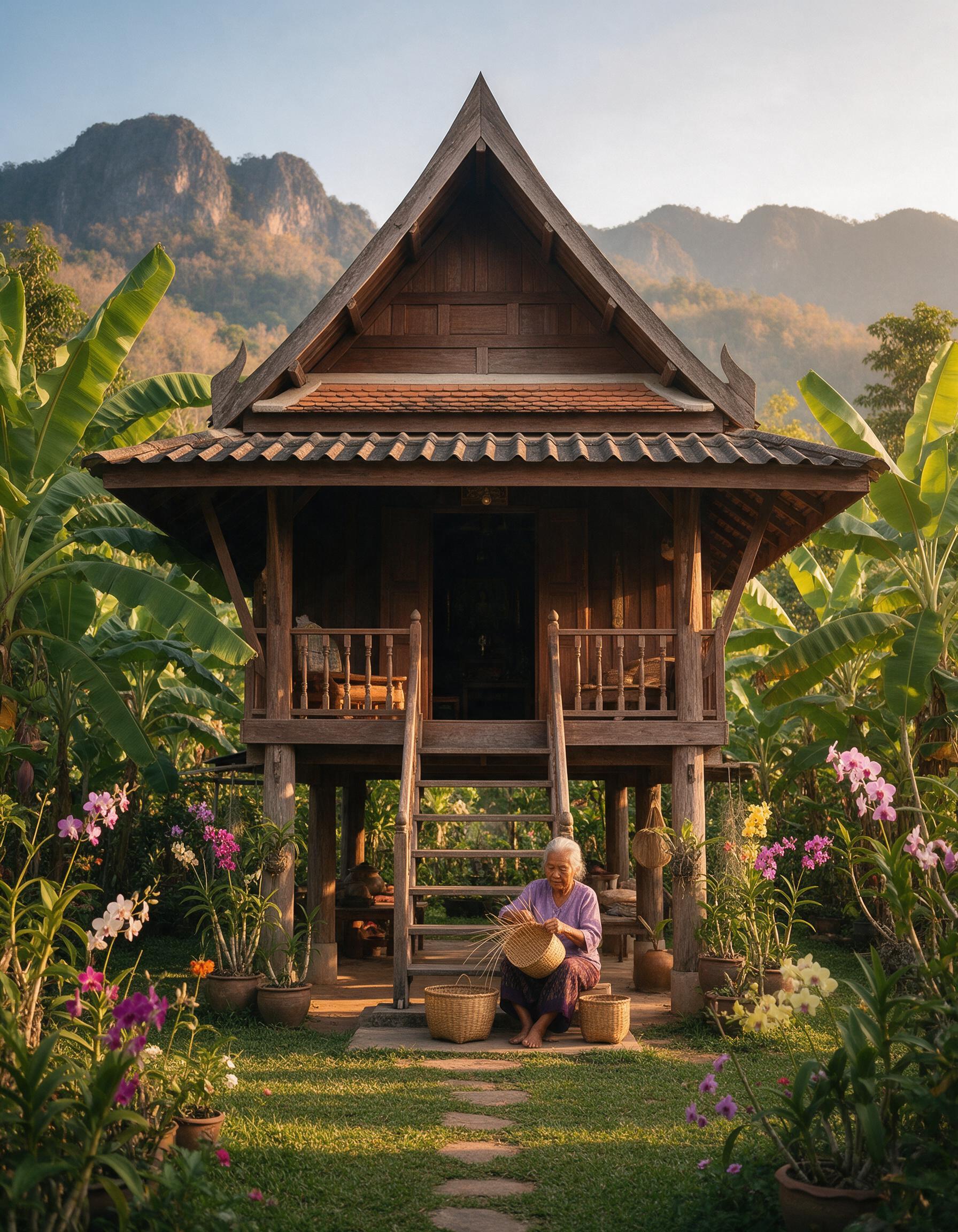
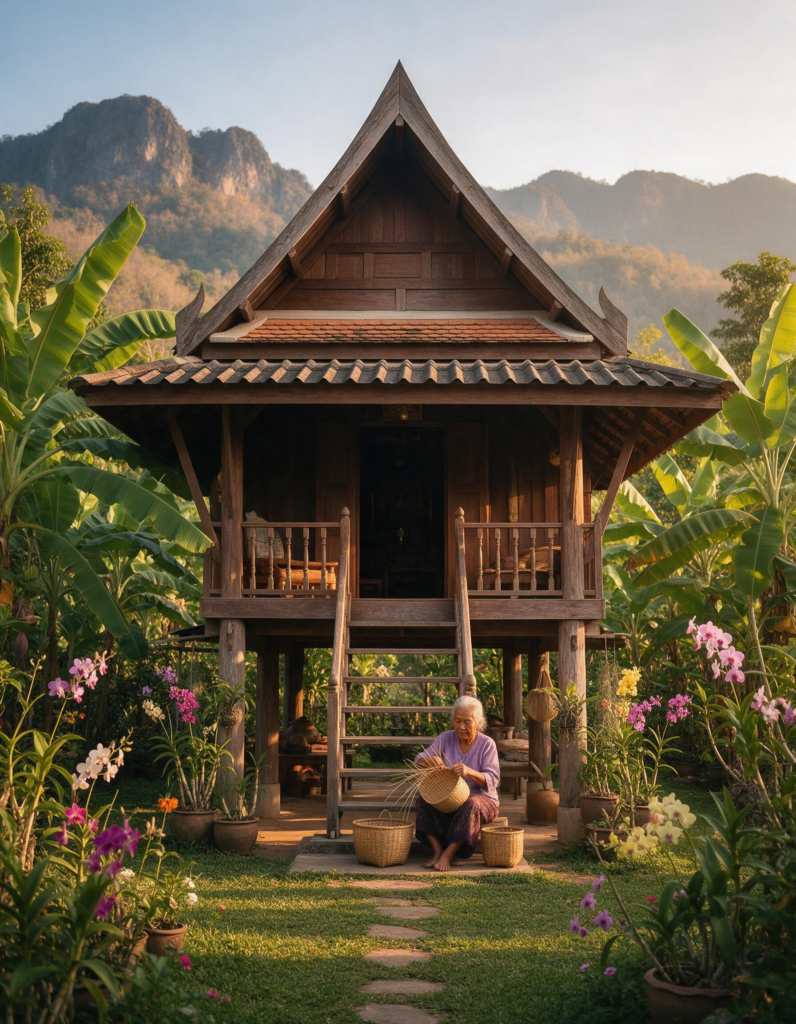
A Thai homestay is exactly what it sounds like — you stay in someone’s home. The Thai government has a formal homestay registration and certification program (under the Department of Community Development). Registered homestays meet basic standards for cleanliness, safety, and hospitality. You get a simple room (sometimes private, sometimes shared), home-cooked Thai meals, and the chance to participate in daily family life.
- Price: 500-1,000 THB ($14-$29 USD) per night, usually including all meals.
- Room type: Private room in a family home, or a separate bamboo/wooden hut on the property.
- Meals: All meals included (breakfast, lunch, dinner). Thai home cooking — the real thing, not restaurant food.
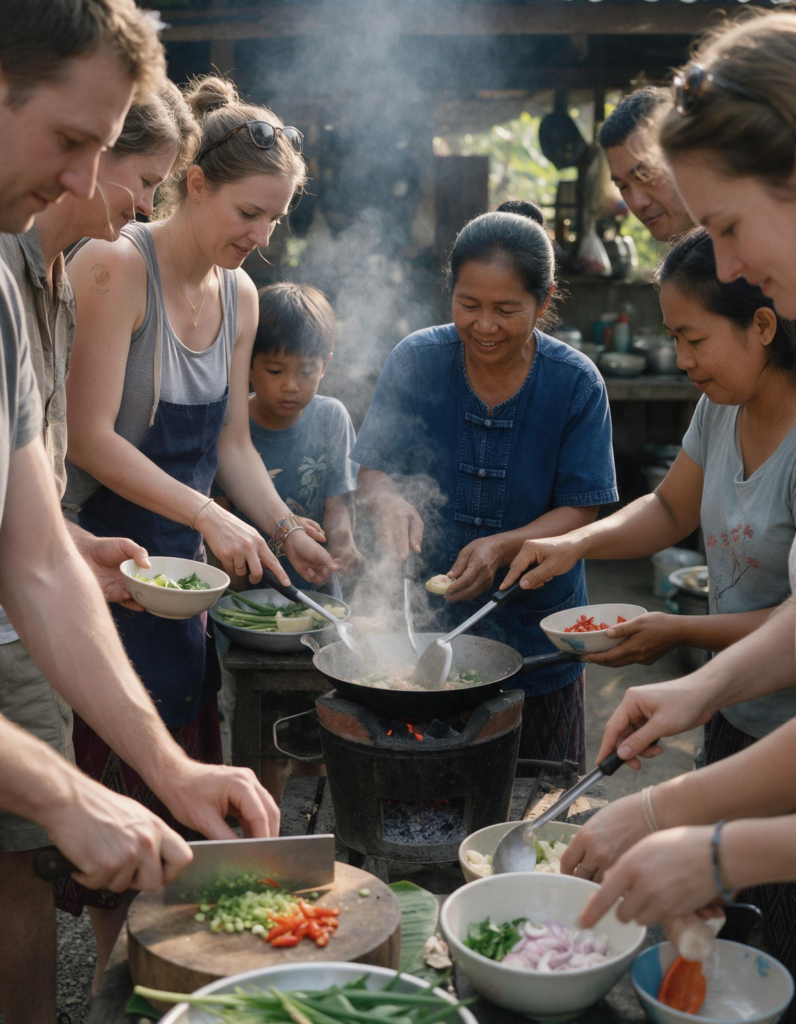
- Activities: Many homestays include activities — cooking lessons, farm visits, fishing, weaving, temple visits.
- Amenities: Basic. Expect a fan (not AC), cold-water shower, squat toilet in some rural areas. Wi-Fi is increasingly common but not guaranteed.
Best Homestay Regions in Thailand
1. Northern Thailand — Hill Tribe and Lanna Culture
Northern Thailand is the heartland of Thai homestays. The region around Chiang Rai, Chiang Mai, and Mae Hong Son has dozens of villages where you can stay with ethnic minority families — Karen, Hmong, Akha, Lahu, and Lisu. You will sleep in bamboo huts, eat sticky rice and northern curries, and learn about traditional crafts and farming.
- Ban Mae Kampong (Chiang Mai): A beautiful village 60 km from Chiang Mai, surrounded by tea and coffee plantations. Homestays here cost 600-800 THB ($17-$23 USD) per night including meals. Activities include coffee roasting, tea tasting, and waterfall visits. This is one of Thailand’s most famous and well-organized homestay villages.
- Ban Lai Hta (Chiang Rai): An Akha village where you stay in a traditional bamboo hut. Learn about Akha culture, weaving, and traditional farming. 500-700 THB ($14-$20 USD) per night.
- Ban Mae Lana (Mae Hong Son): A remote Karen village in the mountains. Two-day trek to reach it. The most authentic, off-the-beaten-path homestay experience in Thailand. 500-600 THB ($14-$17 USD) per night.
- Best for: Cultural immersion, trekking, learning about ethnic minorities.
2. Central Thailand — Riverside and Agricultural
The central plains around Ayutthaya, Kanchanaburi, and Suphan Buri offer riverside homestays where you experience traditional Thai farming life. Many are located along rivers and canals, with activities like rice farming, fishing, and traditional cooking.
- Ban Klong Khwai (Kanchanaburi): Riverside homestay on the River Kwai. Stay with a farming family, learn to cook Thai food using herbs from their garden, and visit nearby Erawan Waterfall. 600-800 THB ($17-$23 USD) per night.
- Ban Bang Phlap (Ayutthaya): A village on an island in the Chao Phraya River, near Ayutthaya. Families here grow fruits (durian, mangosteen, lychee). Activities include fruit farming, traditional dessert making, and boat trips. 500-700 THB ($14-$20 USD) per night.
- Best for: Easy access from Bangkok, agricultural experiences, families.
3. Southern Thailand — Fishing Villages and Islands
Southern Thailand’s homestays are in coastal fishing villages and on islands. You will experience the life of Thai fishing communities — going out on longtail boats, learning to fish, eating incredible fresh seafood, and enjoying some of Thailand’s most beautiful coastal scenery.
- Koh Yao Noi (Phang Nga Bay): An island between Phuket and Krabi with a thriving community-based tourism program. Homestays with fishing families cost 700-1,000 THB ($20-$29 USD) per night including meals. Activities include fishing trips, batik making, and island hopping. One of the best homestay experiences in Thailand.
- Ban Talae Nok (Ranong): A village rebuilt after the 2004 tsunami using community-based tourism. Stay with a fishing family, learn to make soap from local ingredients, and explore the mangrove forests. 500-700 THB ($14-$20 USD) per night.
- Ban Tha Lane (Krabi): A fishing village in a stunning karst bay. Kayaking, fishing, and cooking lessons. 600-800 THB ($17-$23 USD) per night.
- Best for: Coastal scenery, seafood, island life.
4. Northeastern Thailand (Isaan) — Rice Farming
The least-visited region of Thailand, but possibly the most authentic. Isaan is Thailand’s agricultural heartland — rice farming, silk weaving, and some of the spiciest food in the country. Homestays here are the cheapest and most off-the-beaten-path.
- Ban Tha Sawang (Surin): Famous for traditional silk weaving. Stay with a weaving family, watch them create intricate silk patterns on traditional looms, and try weaving yourself. 500-600 THB ($14-$17 USD) per night.
- Ban Prasat (Nakhon Ratchasima): An archaeological village where ancient bronze-age artifacts were found. Families here combine farming with archaeological site visits and traditional Isaan cooking. 400-600 THB ($11-$17 USD) per night.
- Best for: Authentic Thai village life, silk weaving, spicy food, budget travellers.
How to Find and Book Homestays
- Thai Homestay Directory: The Department of Community Development runs a website (cbtthailand.com) listing all registered homestays in Thailand. Search by region, read reviews, and contact directly.
- Tourism Authority of Thailand (TAT): The TAT website (tourismthailand.org) has a section on community-based tourism with recommended homestays.
- Local tourist offices: When you arrive in a province, visit the local TAT office or tourist information centre. They can connect you with registered homestays in the area.
- Agoda and Booking.com: Some homestays are listed on these platforms, though they are not always clearly labeled. Search for “homestay” or “guesthouse” in your destination.
- Tour operators: Many tour operators (especially in Chiang Mai and Krabi) offer homestay packages as part of trekking or island-hopping tours.
Homestay Etiquette — What You Need to Know
- Bring a small gift: Fruit, snacks, or a small souvenir from your country is appreciated. Do not bring alcohol unless you know the family drinks.
- Learn basic Thai: At minimum, learn to say “sawasdee” (hello), “khob khun” (thank you), and “aroi” (delicious). Your host will be delighted.
- Dress modestly: Especially in northern villages near temples. Cover shoulders and knees. Bring a sarong — useful as a towel, skirt, or temple cover-up.
- Eat what is served: Thai home cooking can be spicy. If you cannot handle heat, politely mention it when you arrive. Otherwise, eat everything and say “aroi” (delicious).
- Remove shoes: Always remove shoes before entering a Thai home. If you see shoes at the door, that is your cue.
- Respect the head: In Thai culture, the head is sacred. Do not touch anyone’s head, including children. Do not point your feet at people or Buddha images.
- Participate: Offer to help cook, clean, or work in the garden. Your host will appreciate the effort, even if you are not very skilled.
- Be flexible: Homestays are not hotels. Sometimes the power goes out, sometimes the water is cold, sometimes the rooster wakes you at 5 AM. Embrace it — that is the experience.
What to Pack for a Homestay
- Sarong: Multi-purpose — towel, skirt, temple cover-up, blanket.
- Insect repellent: Essential in rural areas.
- Headlamp or flashlight: Power outages happen, and rural paths are unlit at night.
- Earplugs: Roosters, dogs, and early-morning temple bells.
- Modest clothing: T-shirts (not tank tops), long pants or skirts. No low-cut tops.
- Hand sanitizer and wet wipes: For situations without running water.
- Small gift: From your home country.
- Positive attitude: The most important thing you can bring.