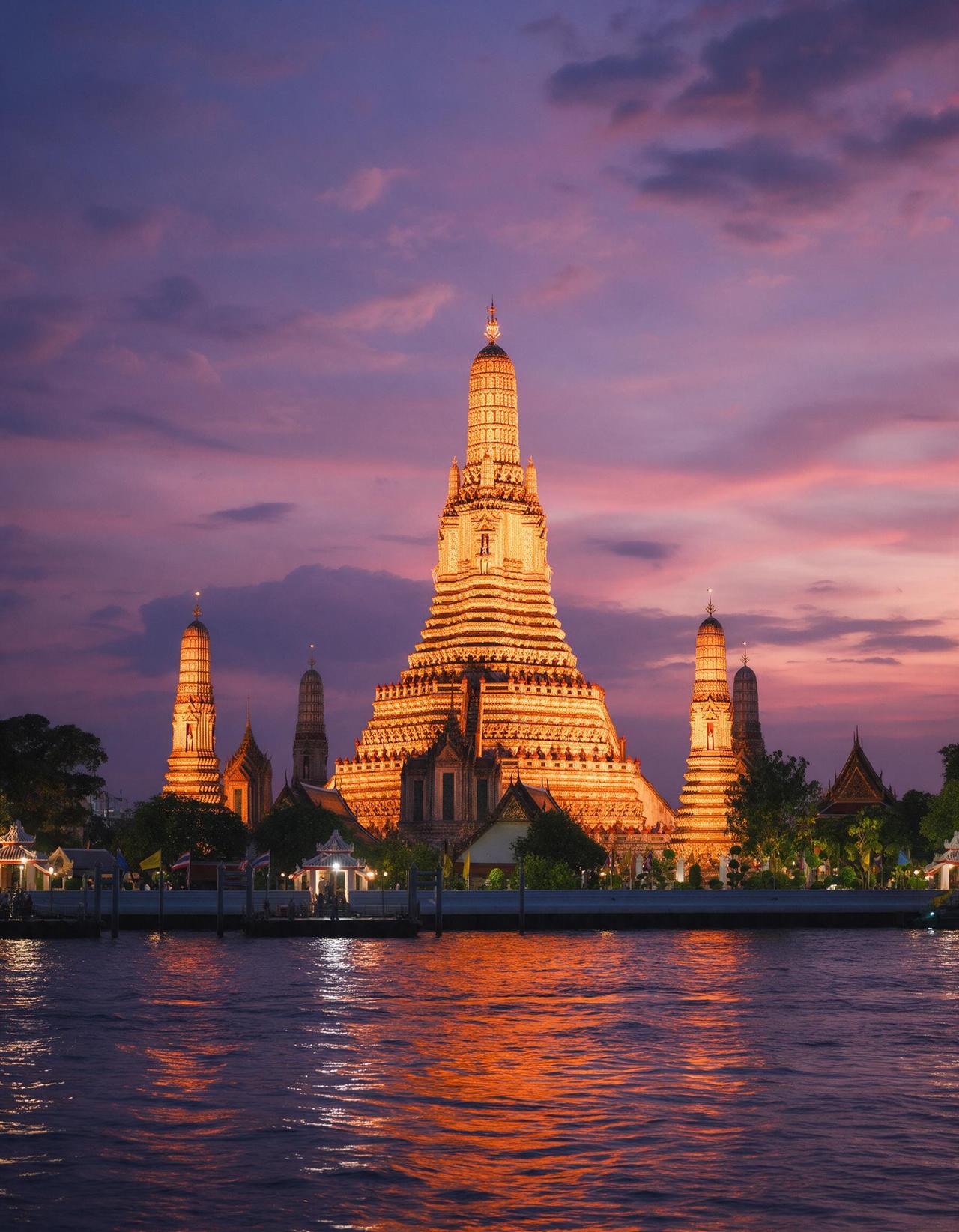
Wat Arun: Bangkok’s Temple of Dawn — A Local’s Guide
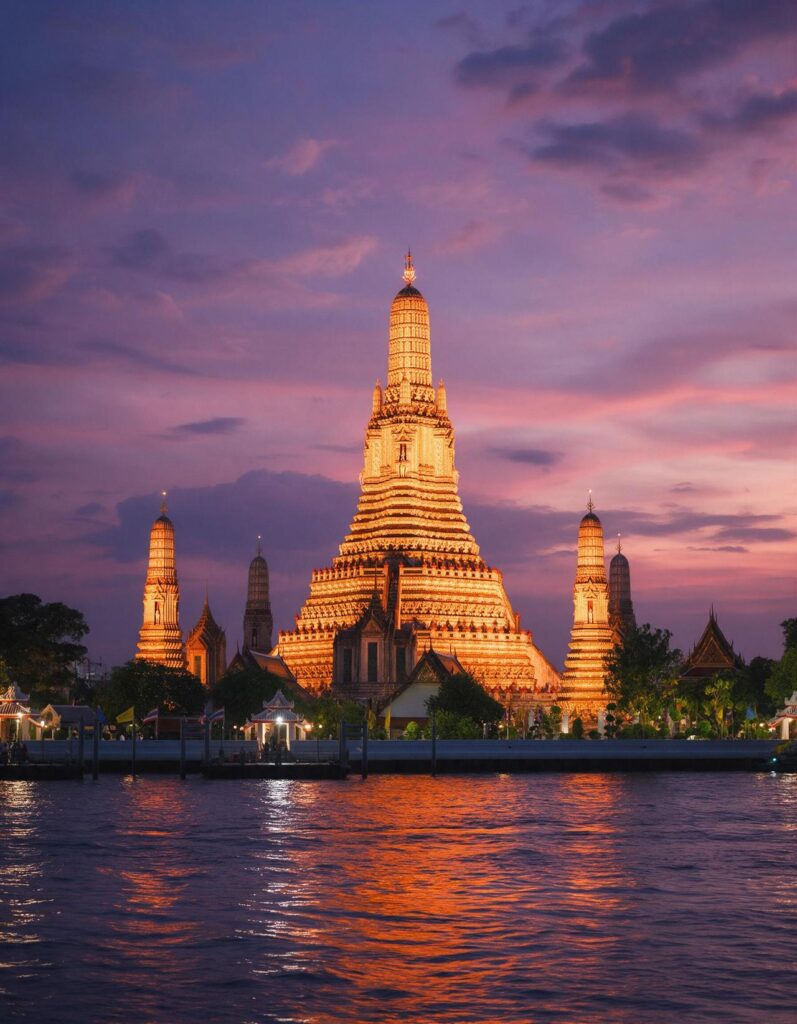
Wat Arun Ratchawararam Ratchaworamahawihan, better known as the Temple of Dawn, is one of Bangkok’s most recognisable landmarks and a must-visit for anyone exploring the Chao Phraya River. Named after Aruna, the Indian god of dawn, the temple is stunning at any hour but truly magical when the first or last light of day hits its porcelain-encrusted spire. As a local who has watched countless sunsets from its terraces, I can tell you that this is one temple you should not rush.
The Central Prang: A Tower of Broken Porcelain
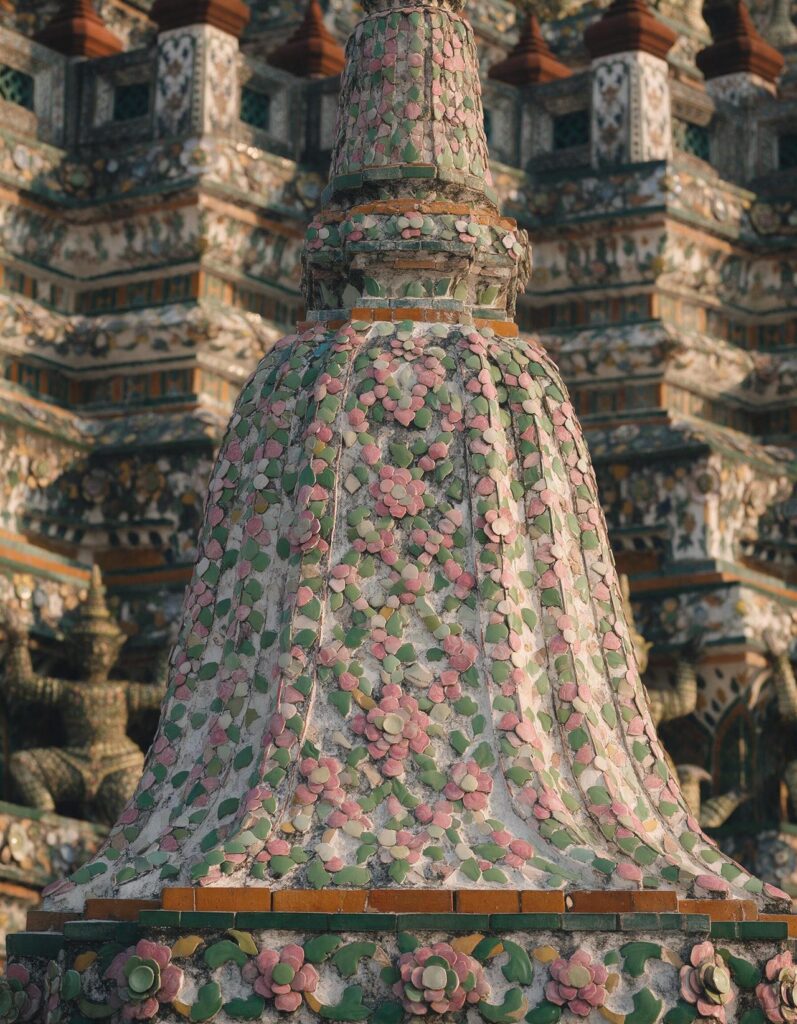
The main attraction is the central prang, a Khmer-style tower rising 79 metres into the Bangkok skyline. What makes it extraordinary is its surface decoration: thousands of pieces of broken Chinese porcelain, originally used as ballast on trade ships coming from China, were pressed into the stucco to form intricate floral patterns and mythological figures. Walk around the base and look up closely at the details, the craftsmanship is breathtaking. Four smaller prangs surround the central tower at the cardinal compass points, each housing a statue of the Buddha at different stages of his life.
Climbing the central prang is an experience in itself. The steps are deliberately steep, symbolising the difficulty of reaching enlightenment. The first terrace offers a view of the temple grounds and the river, but push on to the second terrace for the real reward: a panoramic view of the Chao Phraya River, the Grand Palace across the water, and the sprawling city beyond. Hold the handrail tightly, the descent is even more challenging than the ascent.
Practical Tips for Visitors
- Entrance fee: 100 THB (approximately $3 USD). Cash only.
- Getting there: Take the BTS to Saphan Taksin station, then the Chao Phraya Express boat to Tha Tien pier. Cross the river on the 5 THB cross-river ferry. Total travel time is about 30-40 minutes from central Bangkok.
- Best time to visit: Late afternoon, around 4:00-5:00 PM, to catch the golden light on the spire and stay for sunset. Avoid midday when the heat reflected off the porcelain is intense.
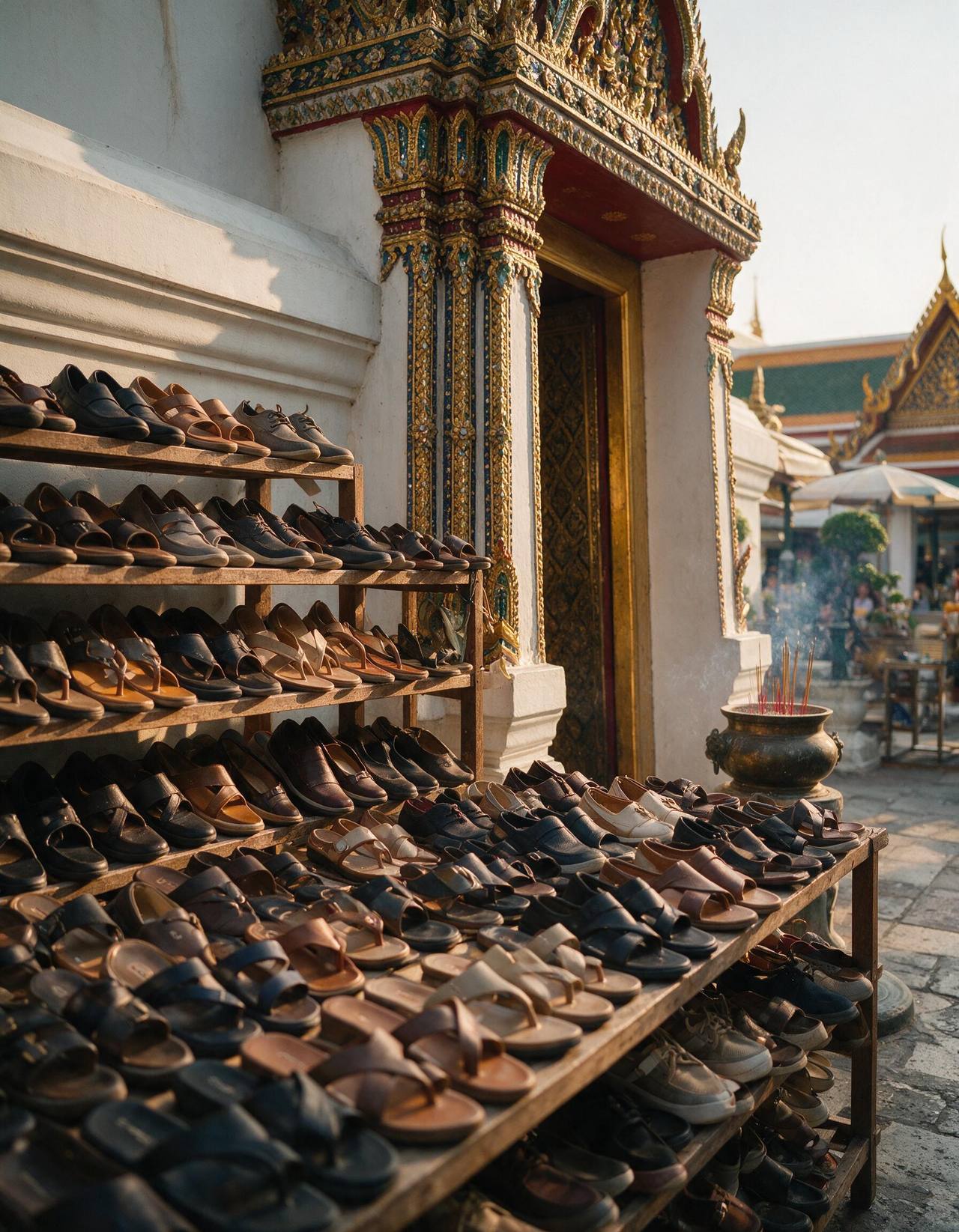
- Dress code: Shoulders and knees must be covered. Sarongs are available to borrow at the entrance if needed.
- What to bring: Water, a hat, and comfortable shoes with grip for the steep steps. A wide-angle lens is ideal for photographing the prang.
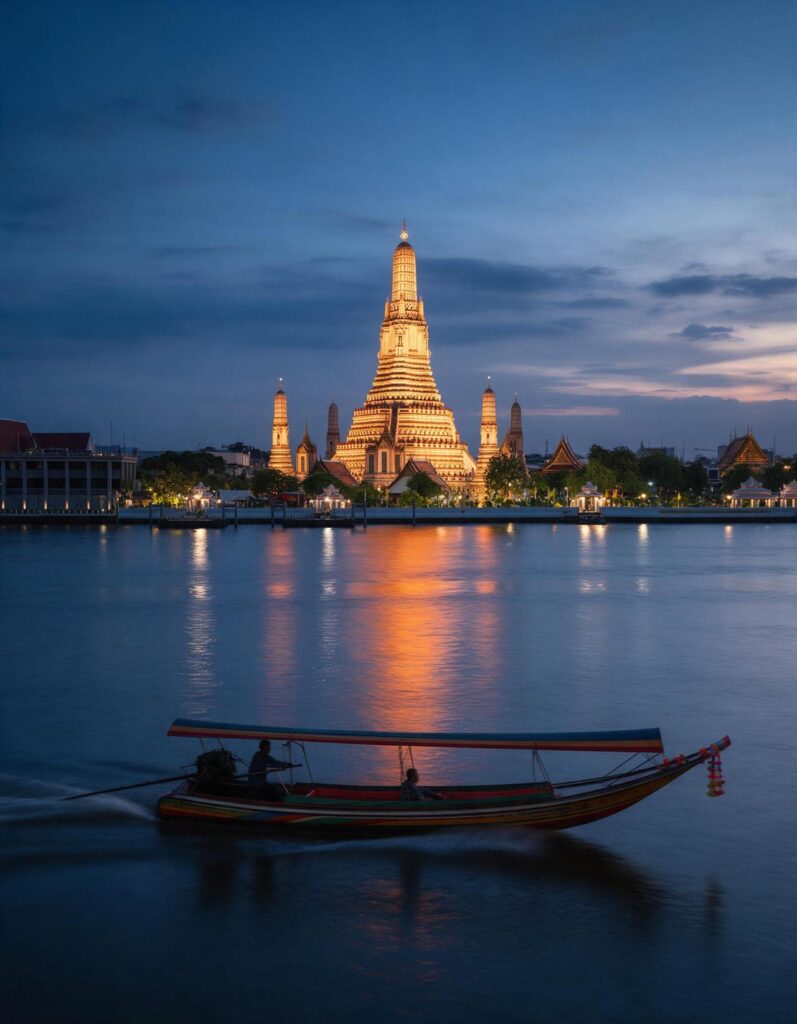
One of the best ways to experience Wat Arun is to combine it with a river cruise. Many long-tail boat tours include a stop here, and seeing the temple from the water gives you a completely different perspective. Alternatively, cross the river from Wat Pho via the Tha Tien ferry and approach Wat Arun from its landward side, which is how most locals arrive.
For photography enthusiasts, the shots from the west bank of the river at sunset are the ones that end up in magazines. The rooftop bar at the Sala Rattanakosin hotel, directly across the river, offers one of the best sunset views of Wat Arun in the city. Order a drink, find a railing spot, and watch the temple glow as the sun dips behind it. It is one of those Bangkok moments you will never forget.
Wat Arun is more than just a pretty facade. It is a living temple where monks still chant, where locals come to make merit, and where the architectural ambition of the Rattanakosin era is written in porcelain and stucco. Give it time, climb its steps, and watch the river flow past as it has for centuries.