Wat Pho: Bangkok’s Temple of the Reclining Buddha — A Local’s Guide
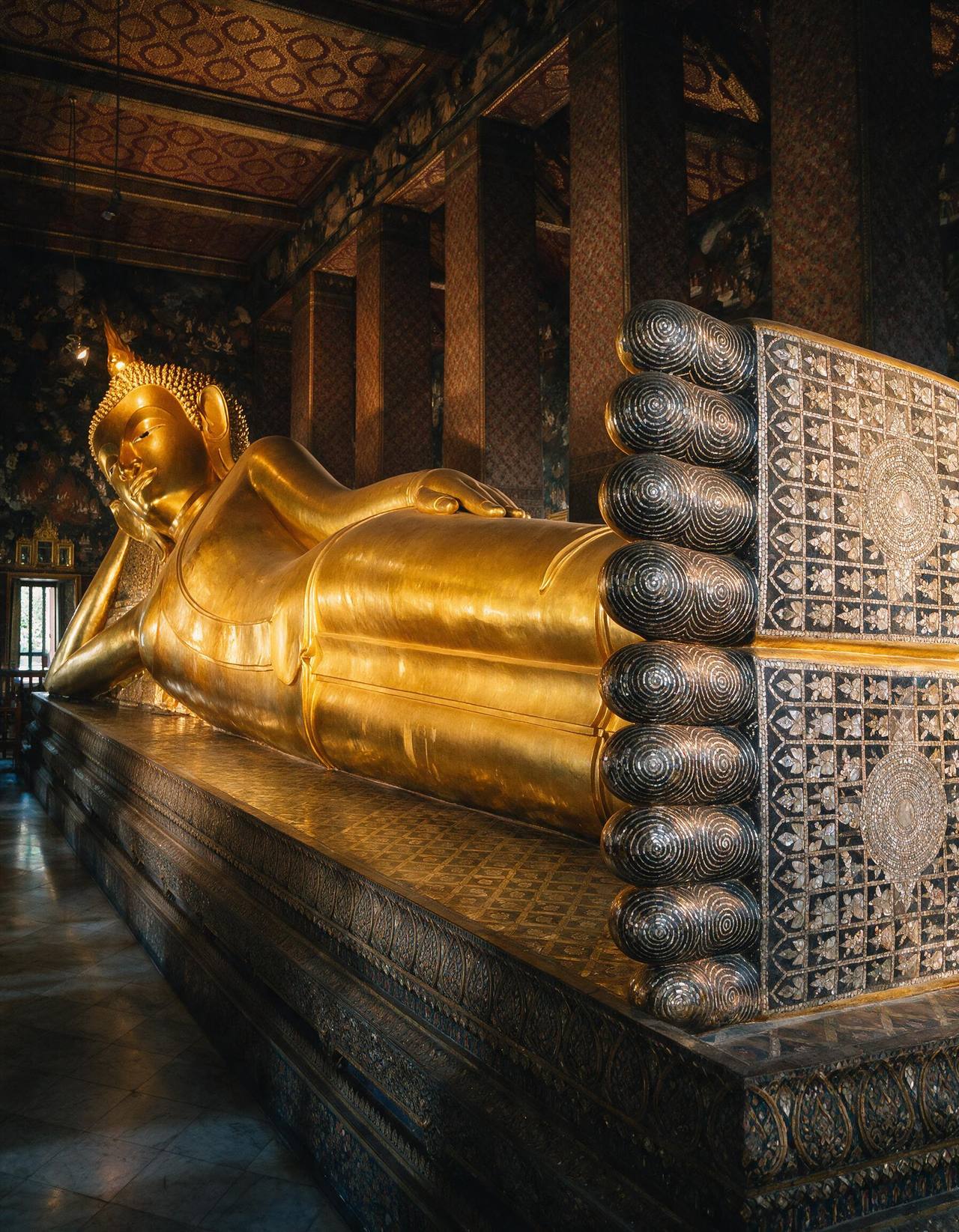
Wat Pho, officially named Wat Phra Chetuphon Wimon Mangkhalaram Rajwaramahawihan, is one of Bangkok’s six most important temples and arguably the one that leaves the deepest impression on visitors. As someone who grew up just a short walk from here, I want to share what I would tell a friend visiting for the very first time.
The Reclining Buddha: What You Are Actually Looking At
The centrepiece of Wat Pho is the Reclining Buddha, a gold-leaf-covered statue measuring 46 metres long and 15 metres high. It represents the Buddha at the moment of passing into nirvana (parinibbana). The statue is so large that it is genuinely difficult to photograph in its entirety from inside the vihara (ordination hall) — you will need a wide-angle lens or you will have to stitch multiple shots together.
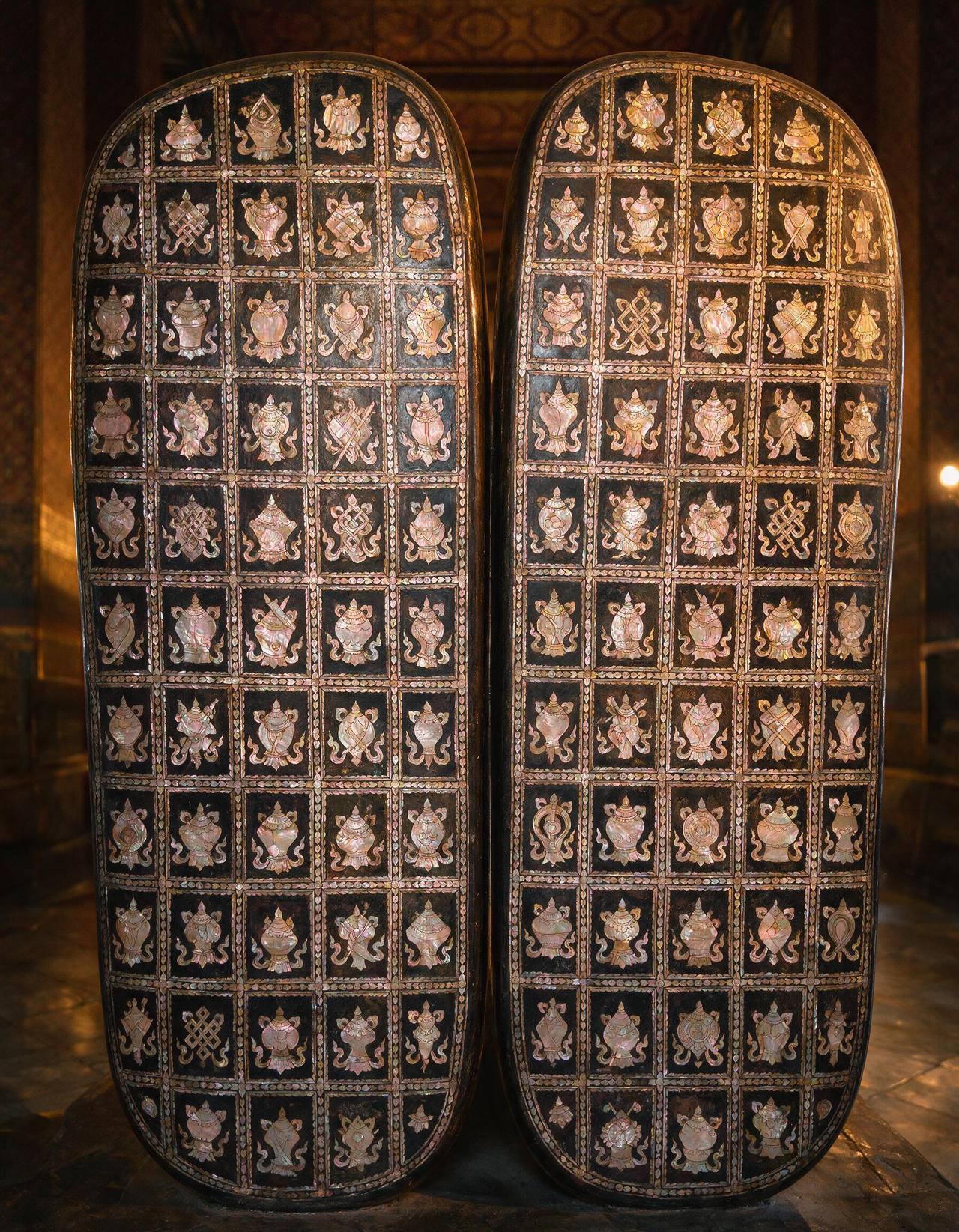
The feet alone are three metres long, inlaid with mother-of-pearl in 108 panels. Each panel depicts an auspicious symbol. Take your time and examine them. This is the detail that ninety percent of visitors walk straight past.
Practical Information
- Entrance fee: 300 THB (approximately $9 USD). This includes a complimentary bottle of water.
- Opening hours: 8:00 AM – 6:30 PM daily. Last entry at 6:00 PM.
- Best time to visit: Arrive at 8:00 AM when the temple opens. You will have the Reclining Buddha hall almost to yourself for the first hour. Avoid weekends and public holidays if possible.
- Location: Sanam Chai Road, adjacent to the Grand Palace. The nearest BTS station is Saphan Taksin (take a Chao Phraya Express boat from Sathorn Pier to Tha Tien Pier), or MRT Sanam Chai.
Dress Code and Temple Etiquette
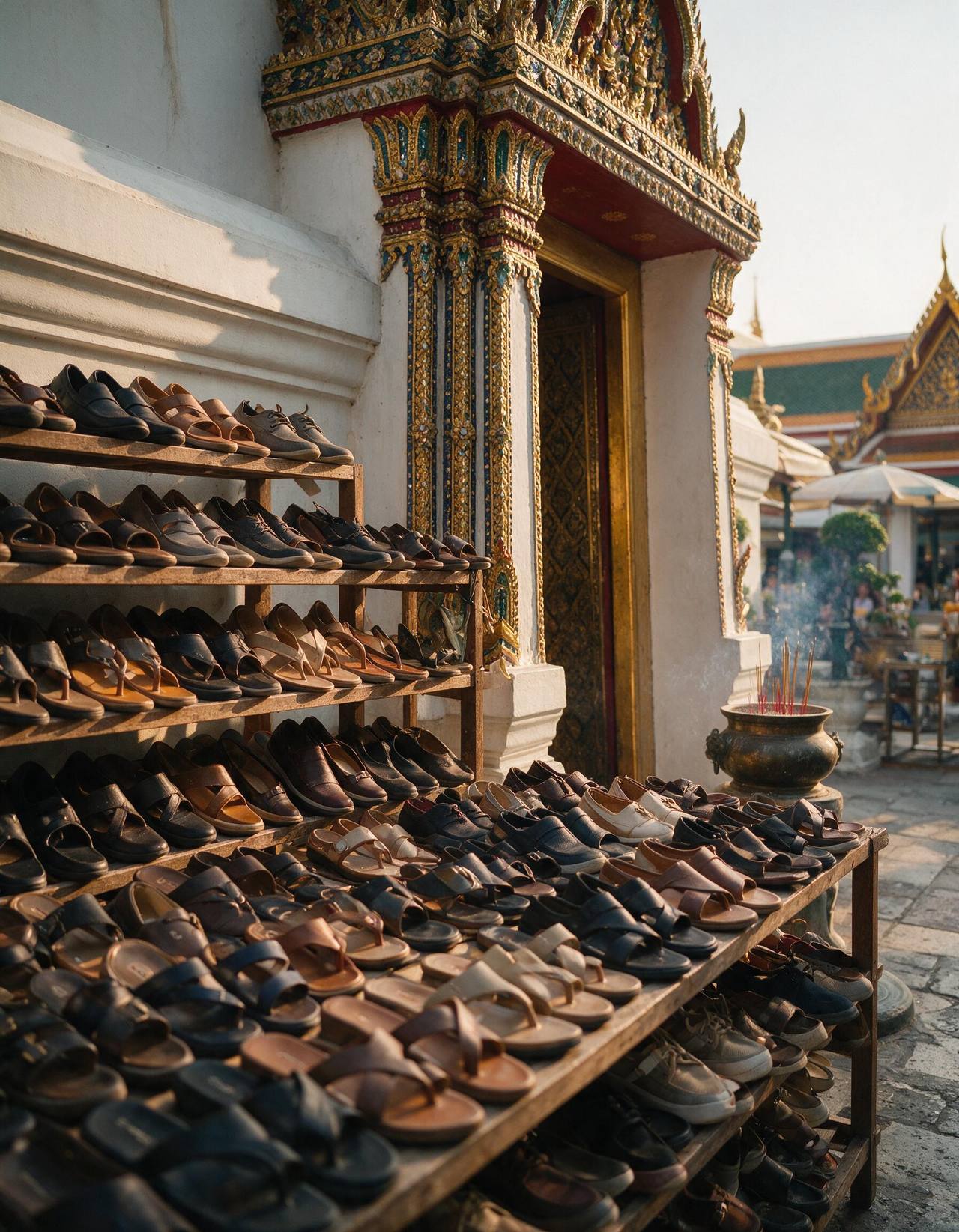
Wat Pho is an active place of worship. Shoulders and knees must be covered for both men and women. If you arrive in shorts or a tank top, you can borrow a sarong at the entrance, but it is far more comfortable to dress appropriately from the start. Remove your shoes before entering any hall. Do not pose with Buddha statues in a disrespectful manner — no pointing your feet at the Buddha image, and please do not take selfies mimicking the Buddha’s posture.
Beyond the Reclining Buddha: What Locals Do Here
Most tour groups see the Reclining Buddha and leave. Here is what they miss:
- The Thai Massage School: Wat Pho is the birthplace of traditional Thai massage. The on-site massage pavilion offers authentic treatments starting at 420 THB ($12 USD) for a 30-minute foot massage and 520 THB ($15 USD) for a 60-minute full-body Thai massage. This is the real, traditional practice — not the tourist-oriented parlours on nearby Khao San Road.
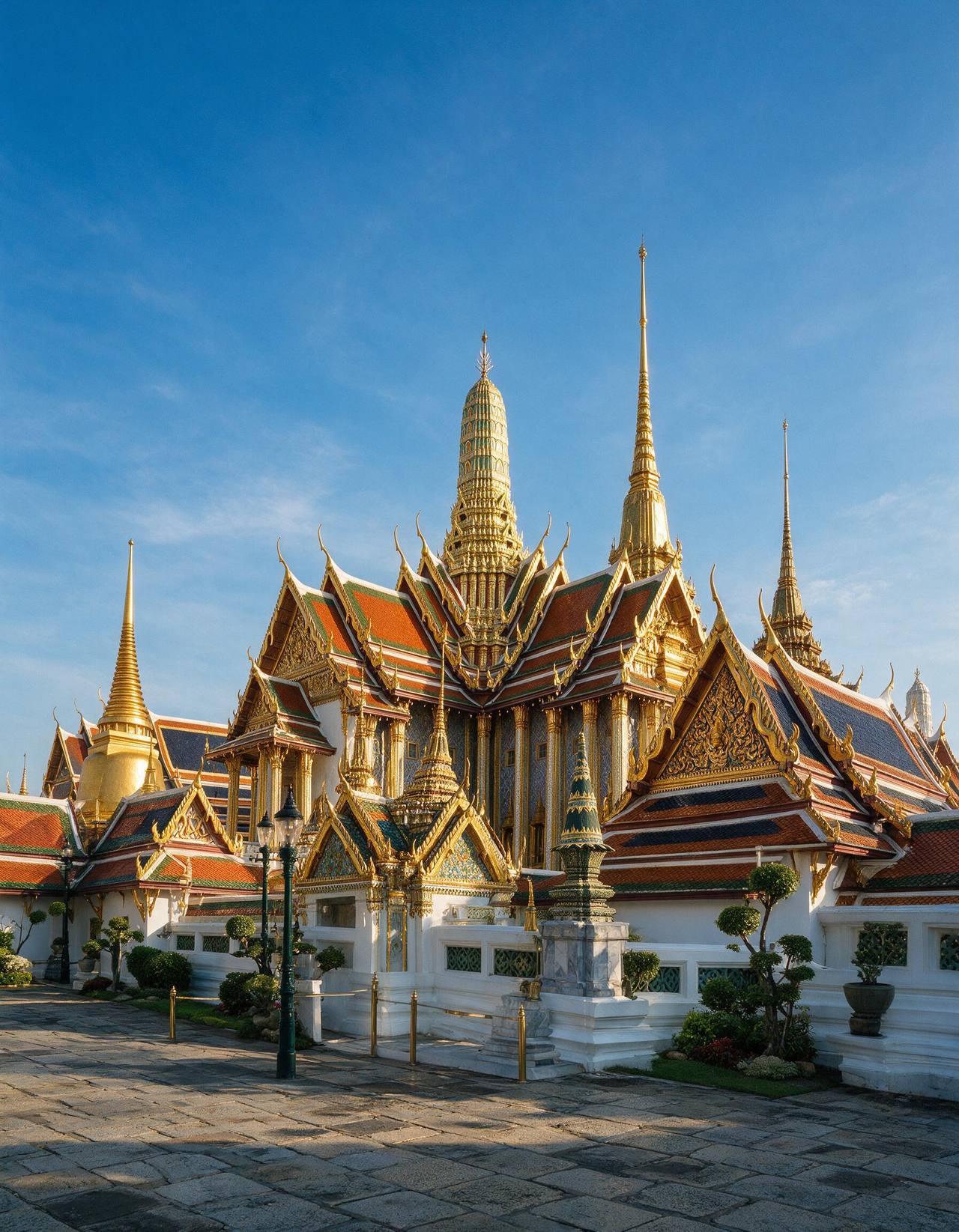
- The Phra Maha Chedi: Four massive pagodas (chedi) stand in the courtyard, each 41 metres tall, one for each of the Chakri kings. The green one honours King Rama I, the white one King Rama II, the yellow one King Rama III, and the blue one King Rama IV.
- The Rock Garden and Herbal Medicine: The temple grounds contain a garden with statues illustrating yoga poses (rak khao hin) and stone inscriptions of traditional Thai medicine. Wat Pho was essentially Thailand’s first university.
- The Ubosot (Ordination Hall): Less crowded than the Reclining Buddha hall but equally stunning, with exquisite murals and a beautiful bronze Buddha image.
The 108 Bronze Bowls
Along the wall behind the Reclining Buddha, you will find 108 bronze bowls. Drop one coin in each — it is a traditional merit-making practice and is believed to bring good fortune. The fee is minimal (you can exchange coins at a counter nearby for about 20 THB) and the money goes toward maintaining the temple. It is also a wonderfully meditative way to slow down and actually absorb the atmosphere.
Getting There and Combining Your Visit
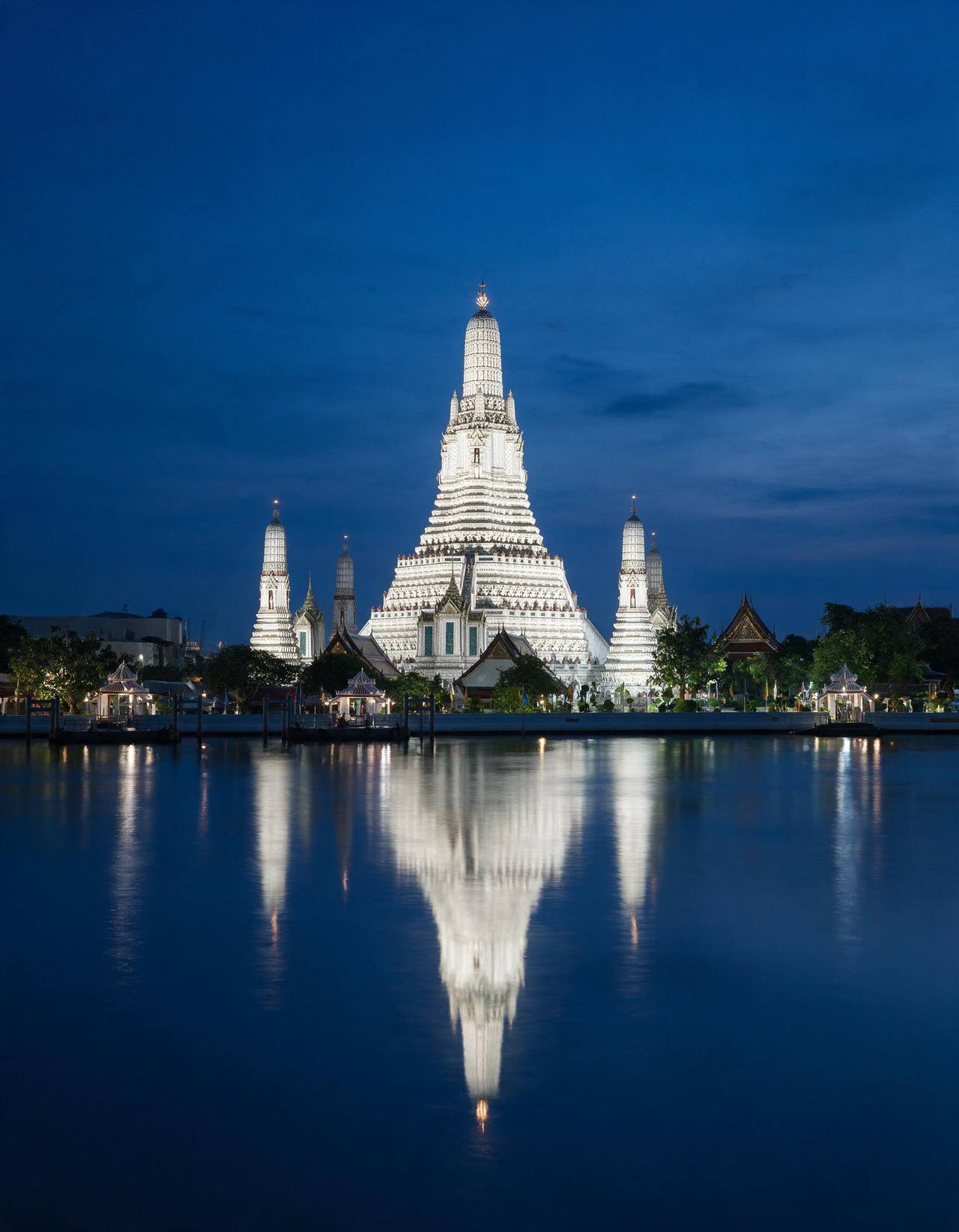
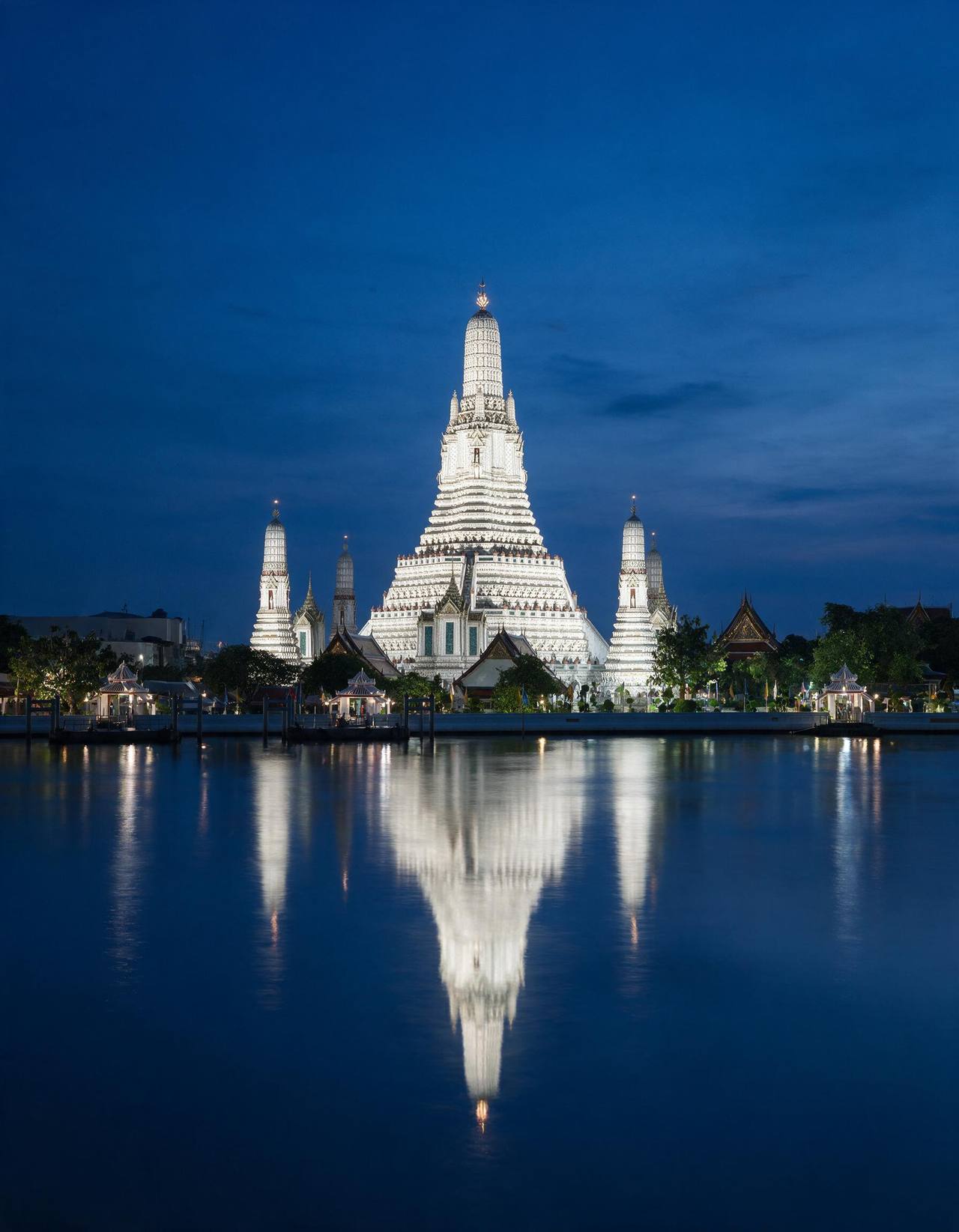
Wat Pho is a five-minute walk from the Grand Palace entrance and a ten-minute walk from the Museum of Siam. I recommend this half-day itinerary: start at the Grand Palace at 8:30 AM (it opens at 8:30, arrive at 8:15), spend about two hours there, then walk to Wat Pho for 11:00 AM. Finish with a Thai massage at Wat Pho’s massage school around 1:00 PM, then take the ferry across the river to Wat Arun for sunset.
For lunch, walk to Tha Tien area near the pier. There are several small local restaurants serving khao rad kaeng (curry over rice) for about 50-60 THB ($1.50-$2 USD). Look for the places where Thai people are eating — the food will be better and cheaper than anything targeted at tourists.
Final Tips from a Local
- Bring small cash for the coin bowls, water, and the massage. Credit cards are not widely accepted inside the temple.
- The temple grounds are large — wear comfortable shoes that you can easily slip off and on, since you will be removing them repeatedly.
- Do not feed the stray cats. There are many, and they are adorable, but feeding them encourages overpopulation.
- If you want professional photos without crowds, book a sunrise photo tour — some local photographers offer these starting at 1,500 THB ($43 USD).
Wat Pho is not just a photo stop. It is a living centre of Thai culture, medicine, and spirituality. Give it the time it deserves, and it will be one of the most memorable experiences of your trip to Thailand.