Chiang Mai Old City Temple Walking Tour: 6 Temples in One Day
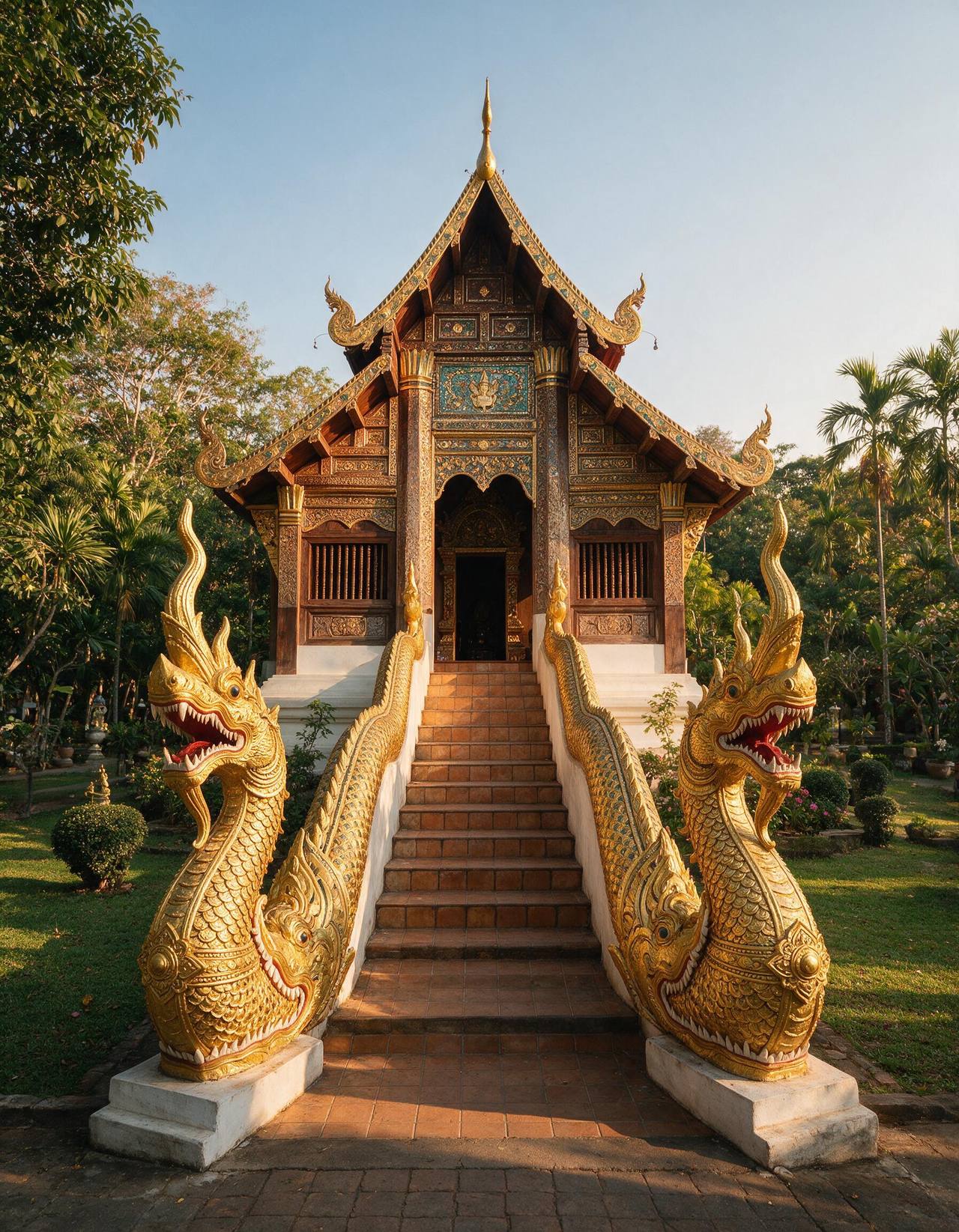
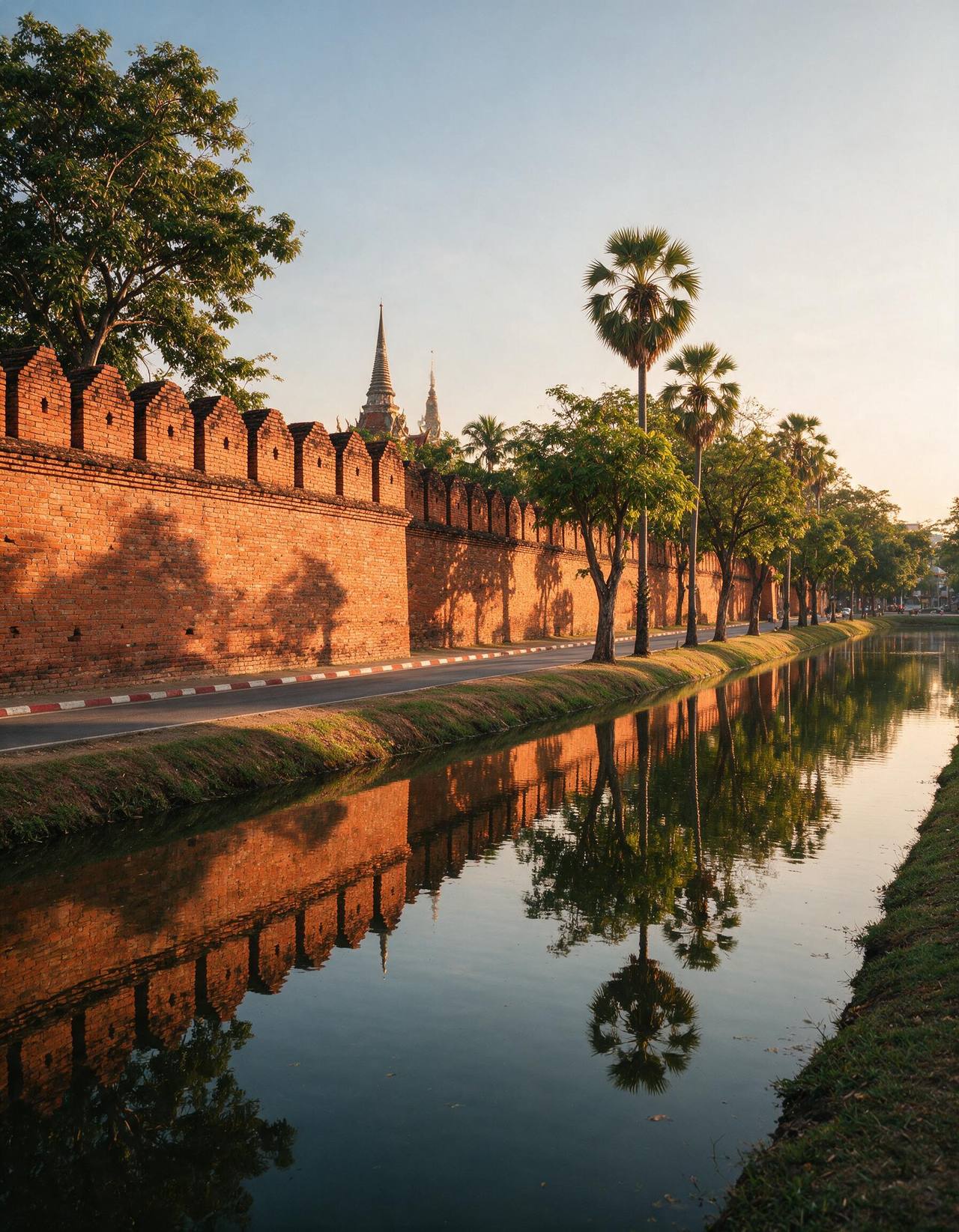
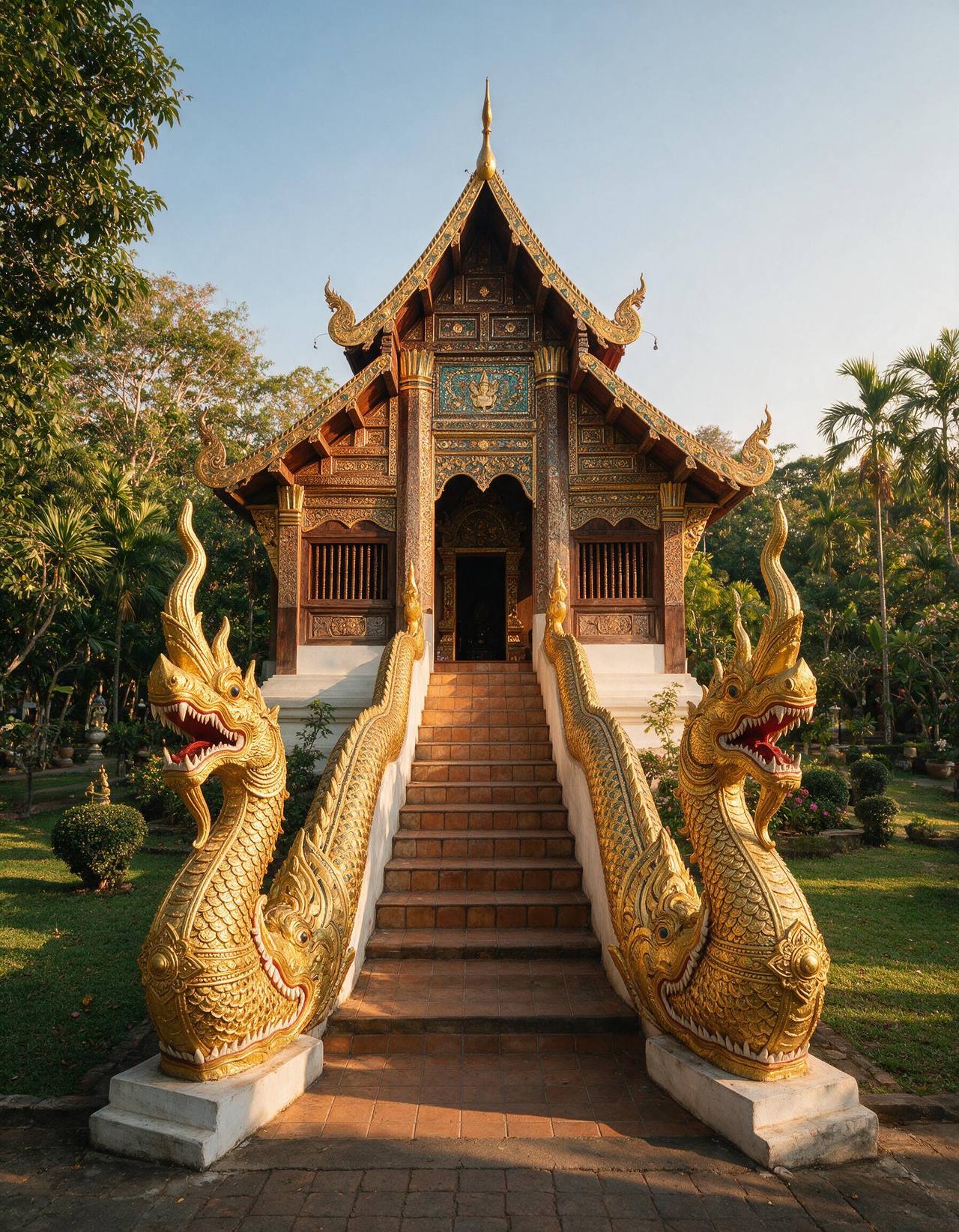
Chiang Mai’s Old City is a nearly perfect square — 1.5 km on each side, surrounded by a moat and the remnants of a 700-year-old brick wall. Within this compact area sit over 40 temples (wat), many of them built in the distinctive Lanna style with teak wood structures, sweeping roofs, and golden chedis influenced by centuries of trade with Burma, Sri Lanka, and Lan Xang (modern-day Laos). This self-guided walking tour covers six of the most spectacular temples, in an order that makes geographical sense and can be completed in a single day.
Practical Information
- Total walking distance: Approximately 4 km (2.5 miles), mostly flat.
- Duration: 5-6 hours including breaks.
- Start time: 8:30 AM (temples open early; the light is best in the morning and late afternoon).
- Cost: Most temples are free. A few charge 20-40 THB ($0.60-$1.20 USD) for foreign visitors.
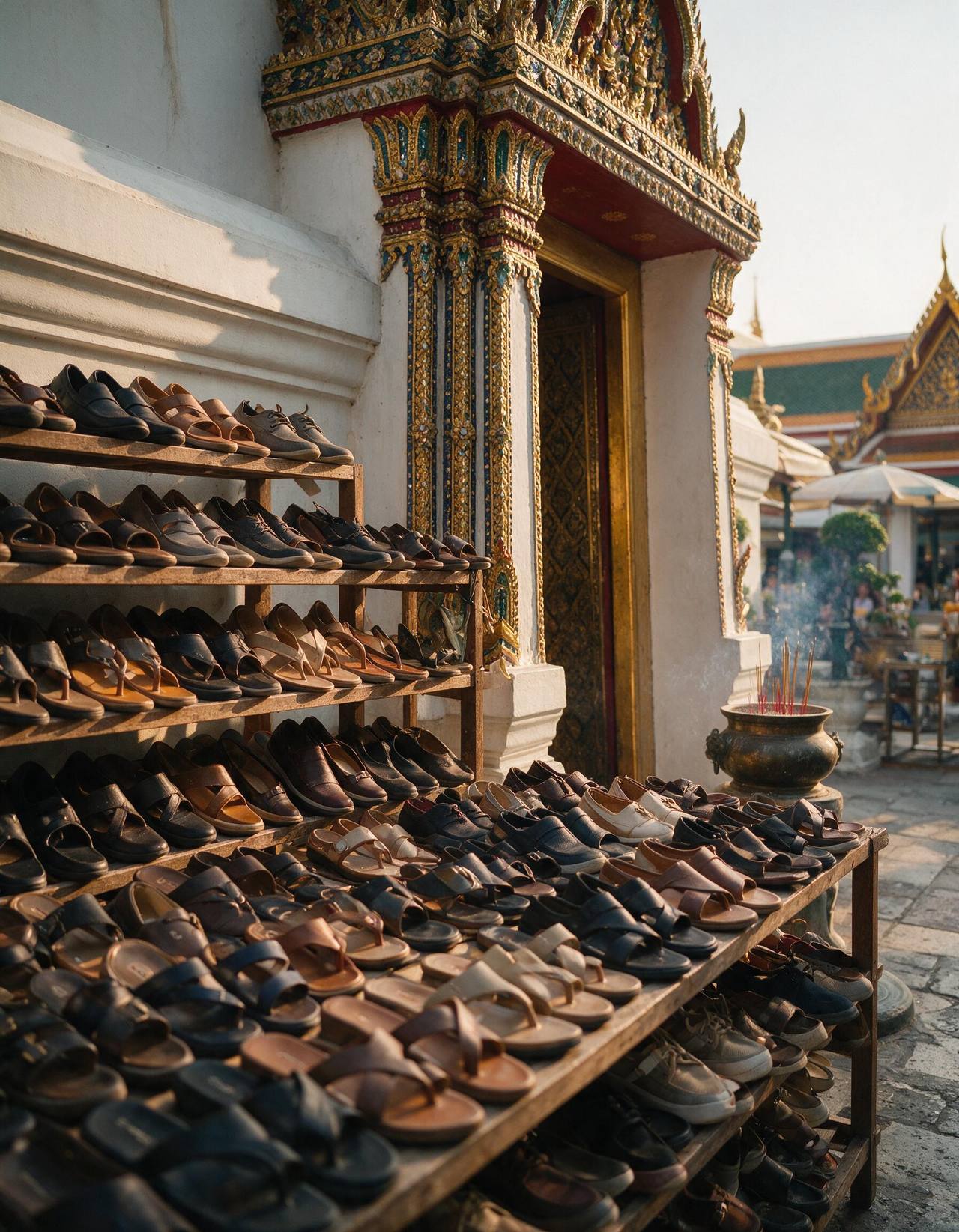
- Dress code: Shoulders and knees covered at all temples.
- Getting to the start: Red songthaews (shared taxis) run throughout the Old City for a flat 30 THB ($1 USD) per person. Flag one down anywhere on the moat road.
Stop 1: Wat Chedi Luang (8:30 AM)
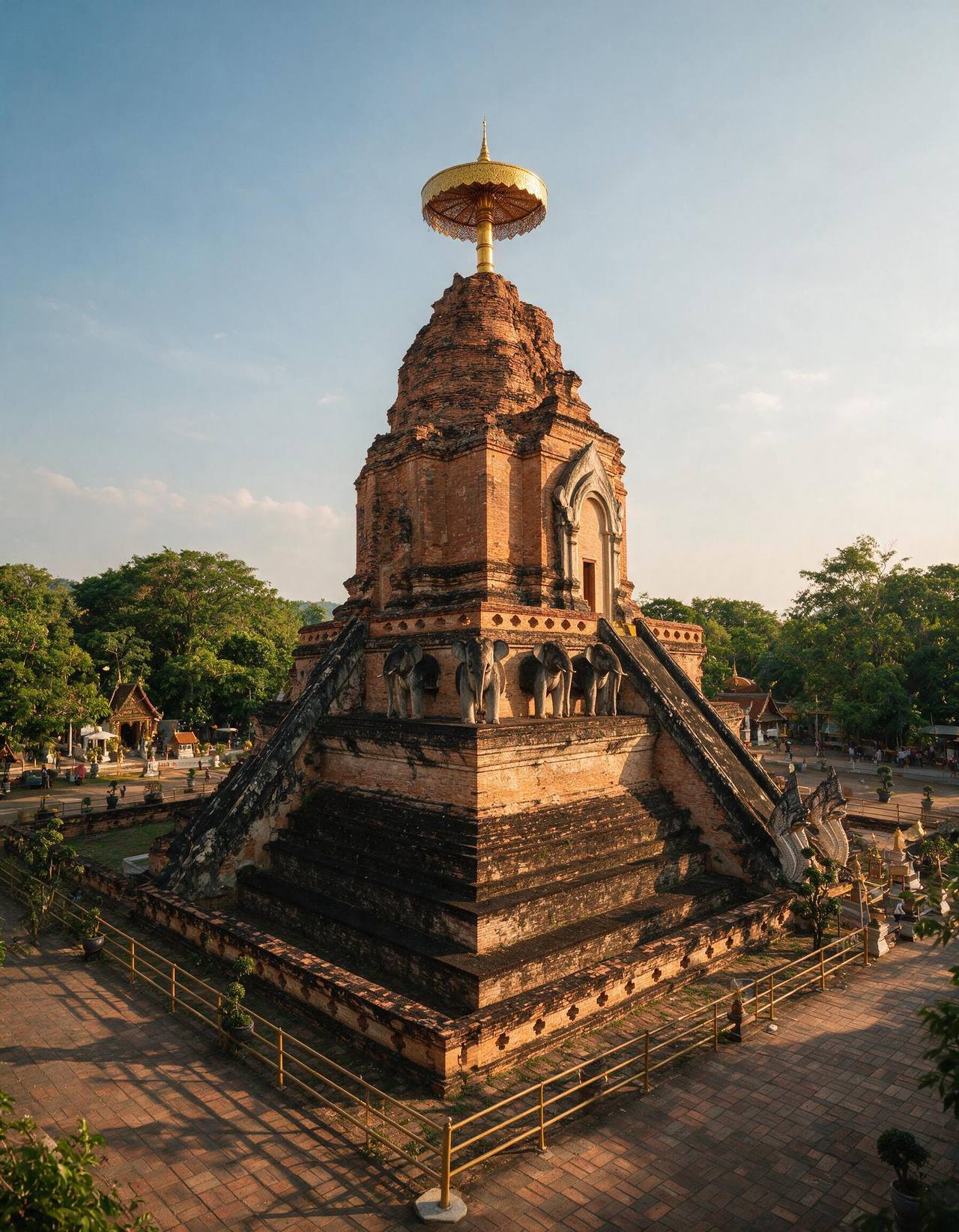
Start at the geographic and spiritual centre of the Old City. Wat Chedi Luang’s massive chedi (stupa) was built between 1385 and 1475 and, at its peak, stood 82 metres tall — making it the largest structure in the Lanna Kingdom. An earthquake in 1545 destroyed the top 30 metres, but the remaining structure is still breathtakingly powerful. The temple once housed the Emerald Buddha (now in Bangkok’s Grand Palace); a replica donated by the Thai government stands in the niche on the eastern face.
Do not miss the Lak Mueang (city pillar) shrine on the grounds, which houses the spirits believed to protect Chiang Mai. And look for the dipterocarp tree planted by the king — legend says if it falls, disaster will befall the city.
- Entrance fee: 40 THB ($1.20 USD).
- Monk chat: Available daily 9:00 AM – 6:00 PM in a dedicated pavilion. Highly recommended.
Stop 2: Wat Phan Tao (9:30 AM)
Literally next door to Wat Chedi Luang (share a wall), this temple is easy to miss but should not be. The entire vihara (prayer hall) is constructed from teak wood — no other temple in Chiang Mai has this structure. The dark, aged wood and intricate carvings create an atmosphere of quiet reverence. In the evening during Yi Peng (the lantern festival in November), thousands of floating lanterns are released here, and the temple becomes one of the most photographed spots in all of Thailand.
- Entrance fee: Free (donations appreciated).
- Photography tip: The teak interior photographs beautifully in soft morning light.
Stop 3: Wat Chiang Man (10:15 AM)
Walk north along Ratchadamnoen Road for about 10 minutes to reach the oldest temple in Chiang Mai, founded in 1296 by King Mangrai himself. This is where the king lived while he built the new city. The temple houses two of Thailand’s most sacred Buddha images: the Crystal Buddha (Phra Setang Kamani), believed to have protective powers over the city, and the Stone Buddha (Phra Sila), believed to summon rain. Both are brought out only during Songkran (Thai New Year in April).
Look for the elephant-flanked chedi behind the main hall — a unique design element showing the influence of Hariphunchai (an earlier Mon kingdom to the south).
- Entrance fee: 30 THB ($0.90 USD).
Lunch Break (11:00 AM)
Walk east toward the Chang Phuak Gate area. The famous Khao Soi Khun Yai is nearby — this is the quintessential Chiang Mai dish (curry noodles with crispy noodles on top) and costs about 50-60 THB ($1.50-$2 USD). There is usually a queue, but it moves quickly. Alternatively, the Sunday Walking Street food stalls (if it is a Sunday) offer an enormous variety of northern Thai street food.
Stop 4: Wat Lok Molee (12:30 PM)
Head north of the moat to this lesser-known gem. The massive brick chedi, built in the 14th century, has a slight lean that gives it an almost fairy-tale quality. It is dramatically under-visited compared to the other temples on this route, meaning you will likely have it nearly to yourself. The front prayer hall is decorated with beautiful modern murals depicting the life of the Buddha.
- Entrance fee: 20 THB ($0.60 USD).
Stop 5: Wat Suan Dok (2:00 PM)
Walk southwest, just outside the moat on Suthep Road. Built in 1373 in a former royal flower garden, this temple is the resting place of several Lanna kings. The main chedi is a massive, bell-shaped white structure that catches the afternoon light beautifully. The grounds contain dozens of smaller white chedis housing the ashes of members of the former Lanna royal family.
Wat Suan Dok is home to the Northern Centre for Monk Chat, where you can sit down with a monk (often a university student studying at the adjoining Buddhist university) and ask anything you like about Buddhism, Thai culture, or monastic life. Sessions are free and run from 1:00 PM to 4:00 PM, Monday to Friday. This is one of the most rewarding cultural experiences available in Chiang Mai.
- Entrance fee: 30 THB ($0.90 USD).
- Monk chat: Free, Mon-Fri 1:00 PM – 4:00 PM.
Stop 6: Wat Sri Suphan — The Silver Temple (4:00 PM)
Walk south back into the Old City to Wua Lai Road. This temple, also known as the Silver Temple, was rebuilt in 2004 by local silversmiths. The entire ubosot (ordination hall) is covered in hand-beaten silver and aluminium panels, depicting Buddhist stories, zodiac symbols, and intricate geometric patterns. It is utterly unique — there is nothing else like it in Thailand.
Note: Women are not permitted inside the silver ubosot (due to traditional monastic rules), but can view it from the entrance and explore the rest of the grounds. The temple also houses the Lanna Folklife Museum, which displays traditional silverworking tools and techniques.
- Entrance fee: 50 THB ($1.50 USD).
- Best time: Late afternoon. The silver glows in warm light, and the temple is often less crowded.
- Silver workshop: The temple grounds still house an active silversmith workshop where you can watch artisans at work.
End of Day: Sunset and Dinner
After Wat Sri Suphan, walk five minutes north to the Saturday Night Walking Street (Wua Lai Road), which runs every Saturday evening from 5:00 PM to 10:00 PM. This is one of the best markets in Chiang Mai — less crowded than the Sunday market on Ratchadamnoen Road, with excellent food, handicrafts, and live music. Grab a mango sticky rice (about 60 THB / $1.80 USD) and sit on the temple steps as the light fades. This is the Chiang Mai that makes people stay for months.