Temple Etiquette for Foreigners in Thailand: 12 Essential Rules Locals Want You to Know
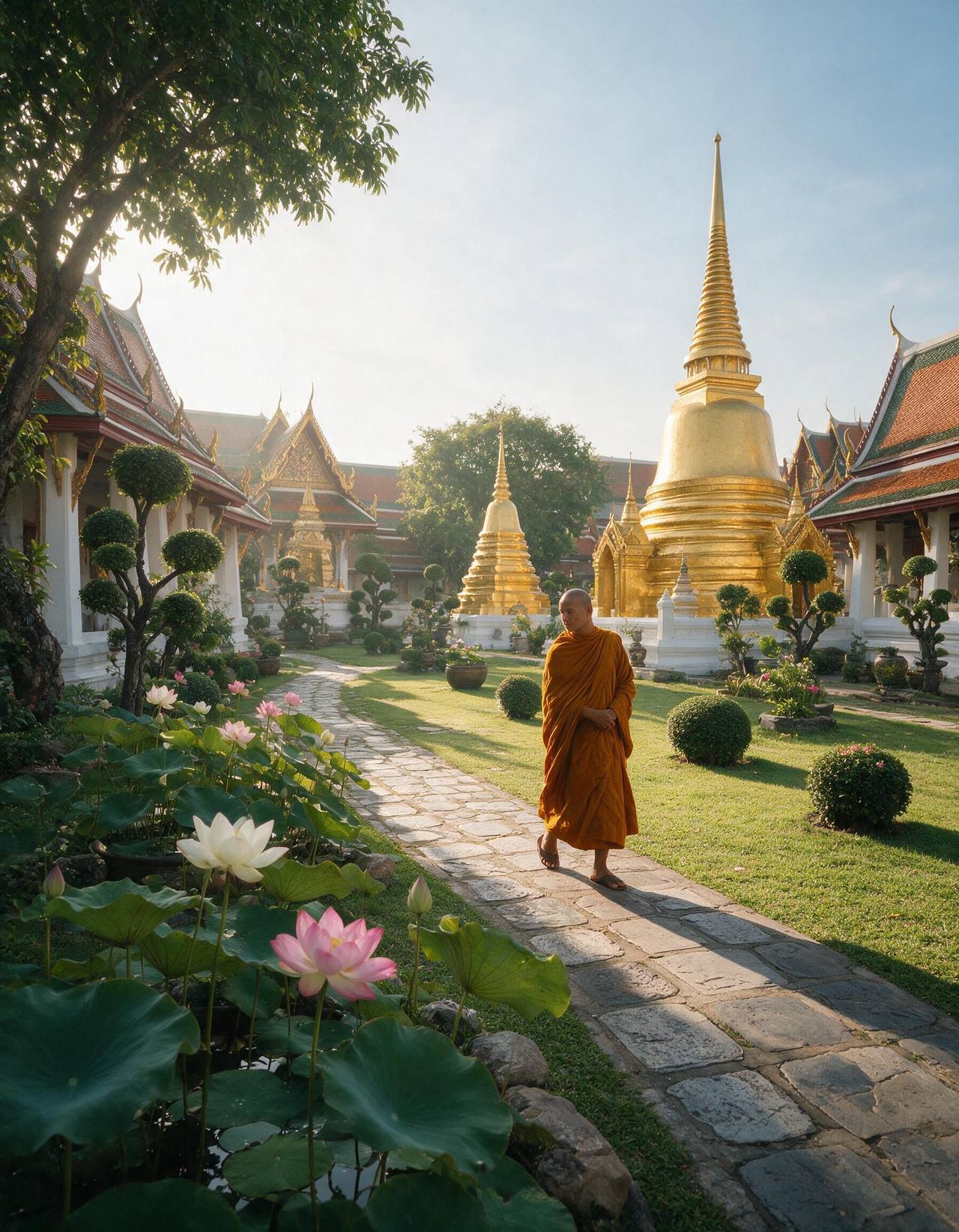
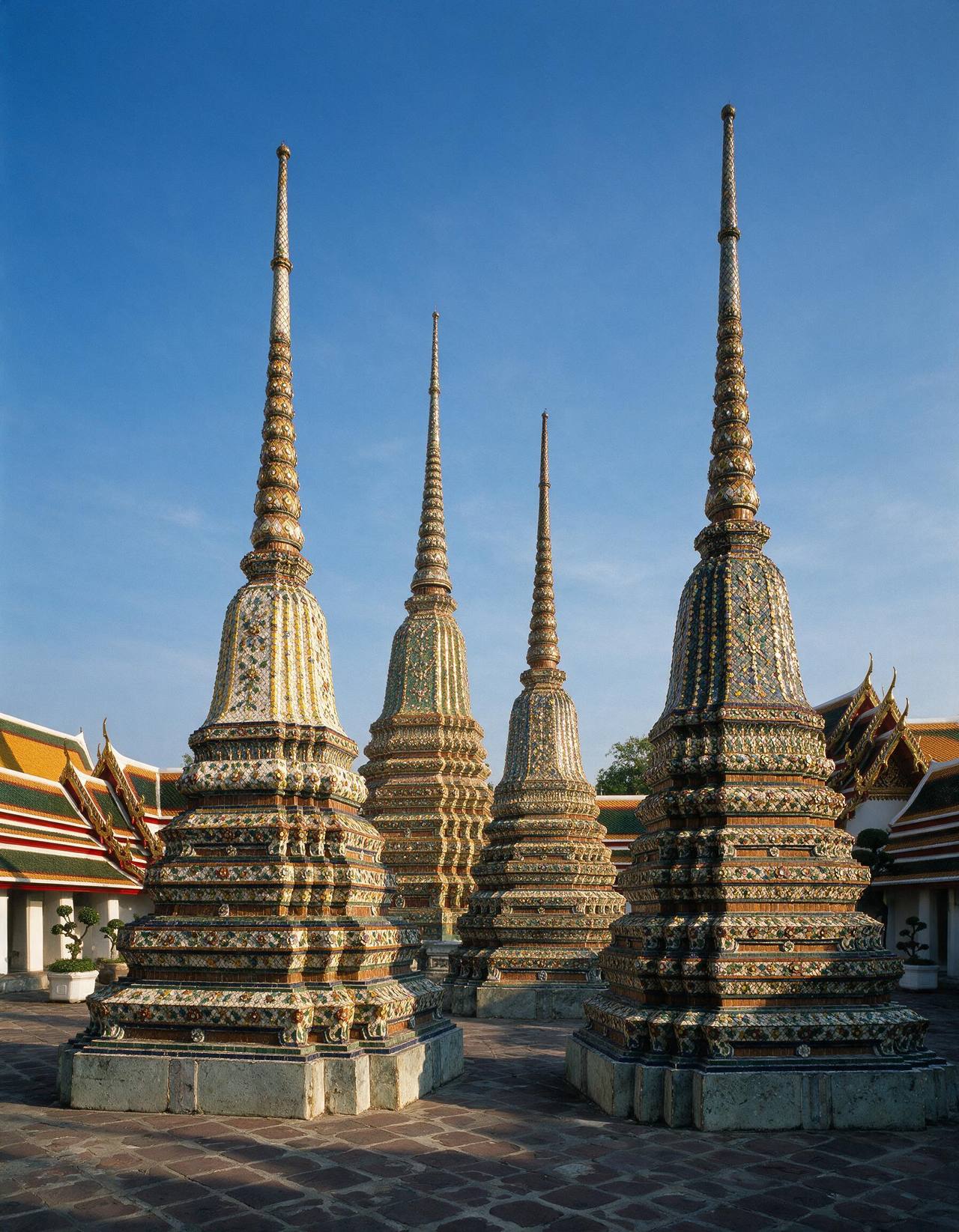
Thai temples (wat) are not museums or tourist attractions — they are living, active places of worship where millions of Thai Buddhists come to pray, meditate, and make merit. As a visitor, you are welcome, but you are also entering a sacred space. These twelve rules will help you show respect and avoid causing unintended offence.
1. Dress Modestly — Shoulders and Knees Must Be Covered
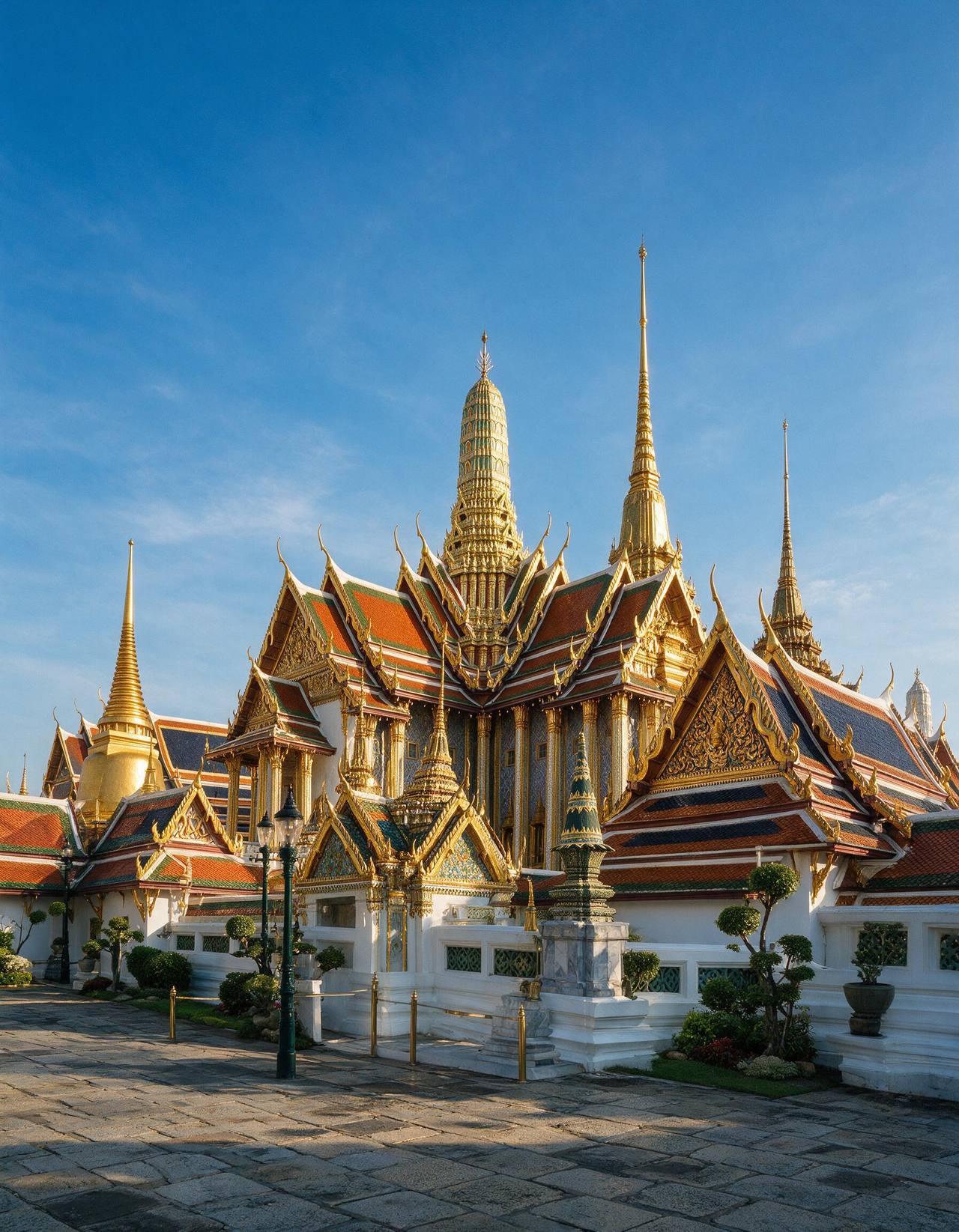
This is the most important rule and the one that causes the most problems. Both men and women must cover their shoulders and knees. This means no tank tops, no shorts, no short skirts, and no see-through clothing. A lightweight long-sleeved shirt or scarf draped over the shoulders is fine. Long pants, a maxi skirt, or a sarong wrapped to knee length or below all work well. Many major temples (including the Grand Palace) will lend or sell you a sarong at the entrance, but smaller neighbourhood temples may simply turn you away.
2. Remove Your Shoes Before Entering Any Hall
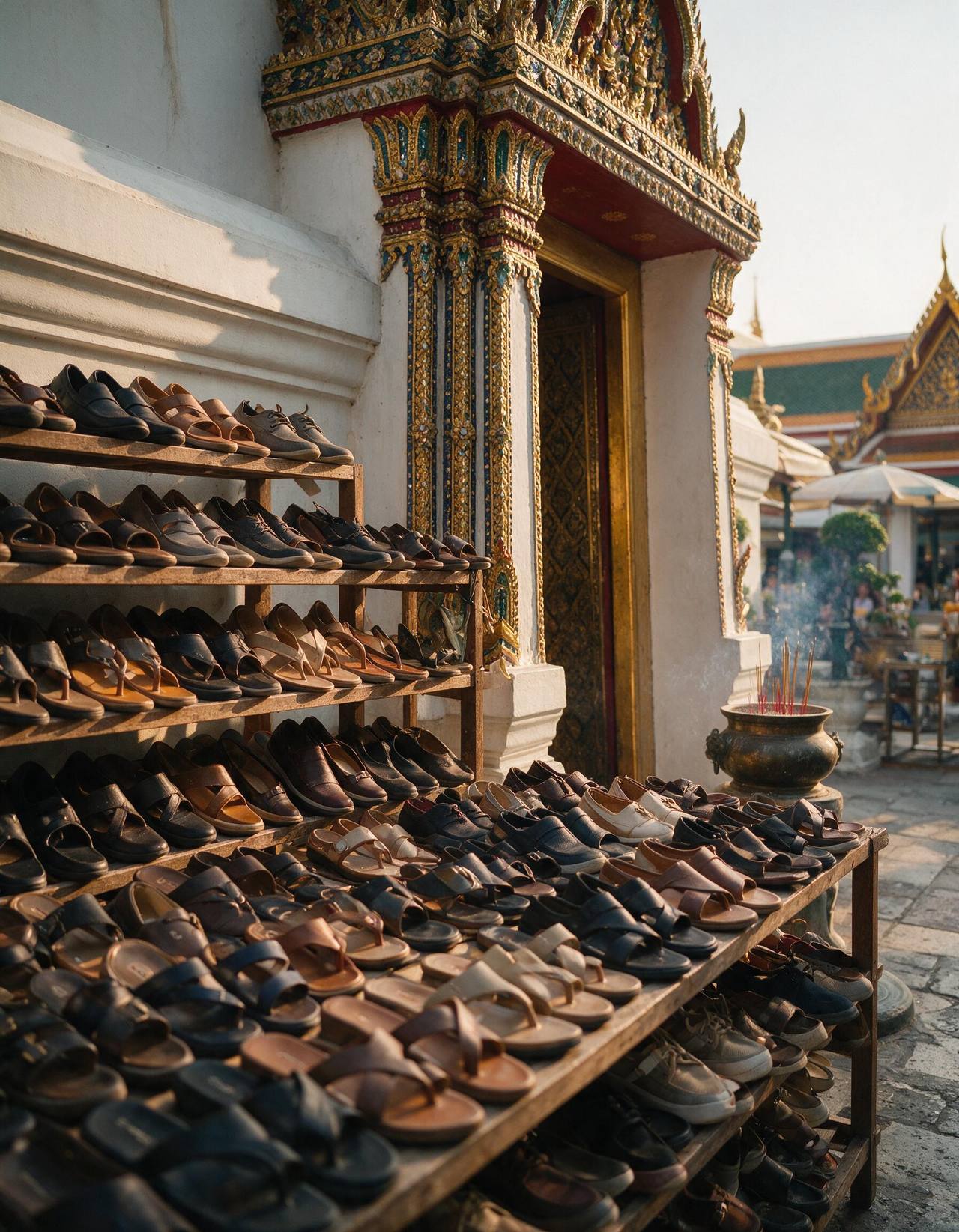
You will always see racks of shoes at the entrance to temple halls. Remove yours and place them on the rack. Socks are fine to keep on. If you are visiting multiple temples in one day, wear slip-on shoes — constantly unlacing boots becomes tedious very quickly.
3. Never Point Your Feet at the Buddha or at People
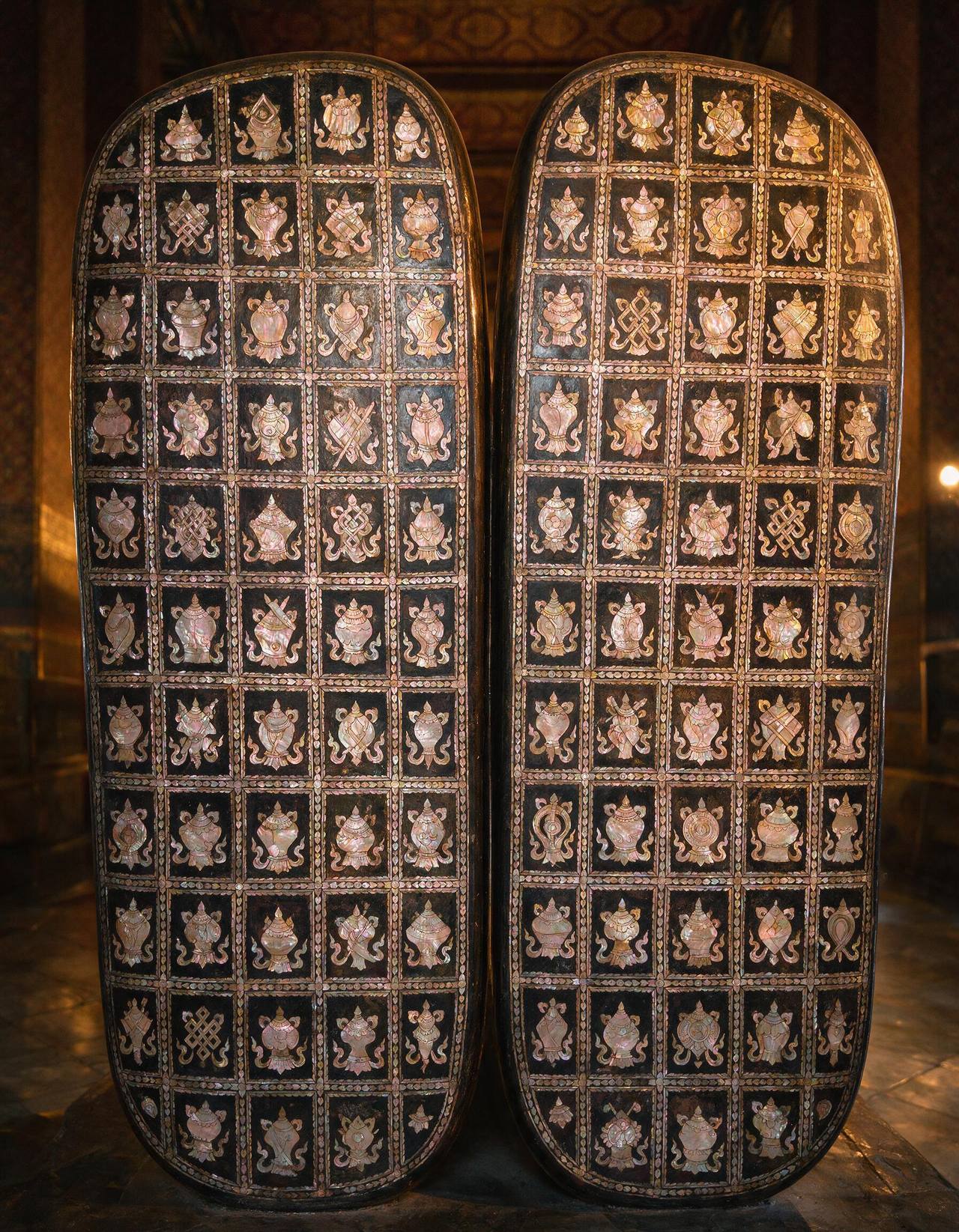
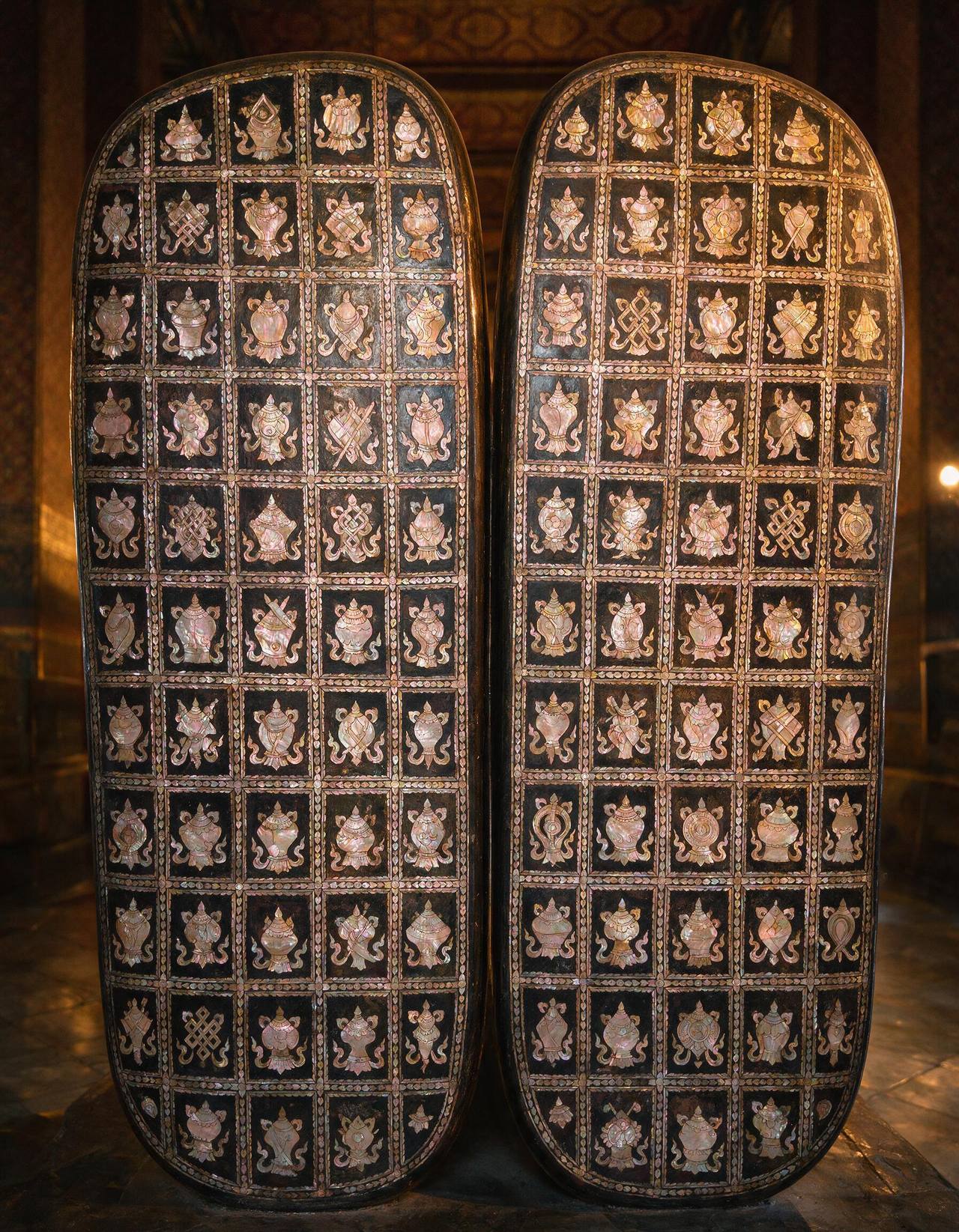
In Thai culture, the head is the most sacred part of the body (the seat of the spirit) and the feet are the lowest and least pure. Pointing the soles of your feet at a Buddha image, a monk, or another person is deeply disrespectful. When sitting in a temple hall, sit cross-legged or tuck your feet behind you. Never stretch your legs out with your feet pointing toward the Buddha image.
4. Do Not Touch a Monk’s Head
The head is sacred. Never touch anyone’s head in Thailand, and this applies doubly to monks. This includes casual contact like patting a child’s head — refrain from this as well.
5. Women Must Not Touch Monks or Hand Things Directly to Them
Monks are forbidden from touching women or accepting items directly from a woman’s hand. If a woman needs to give something to a monk (such as an offering), she should place it on a cloth or table, or hand it to a man to pass along. On public transport, monks sit in a designated section, and women should not sit in adjacent seats. This is not about discrimination — it is a strict monastic rule that monks must follow.
6. The Wai Greeting
The wai (palms pressed together in a prayer-like gesture at chest level, with a slight bow) is the standard Thai greeting. When entering a temple, wai at the entrance as a sign of respect. If a monk wais you (unlikely, but possible), you do not need to wai back — it is fine to simply acknowledge with a nod. Do not wai children or service workers, as this creates an awkward social obligation for them.
7. Do Not Pose Disrespectfully with Buddha Images
This is increasingly common and increasingly offensive. Do not pose mimicking the Buddha’s posture, do not stand with your back to the Buddha for a selfie, and do not climb on or lean against Buddha statues. Take photos from a respectful distance and a respectful angle.
8. Keep Your Voice Down
Temples are places of meditation. Speak softly, and if you are with children, brief them beforehand about appropriate behaviour. Running and loud play are not appropriate inside temple grounds.
9. Photography Rules
Photography is generally permitted in temple courtyards and exteriors, but always look for signs. Some halls prohibit photography entirely, and flash photography is always prohibited inside halls with murals or gilded surfaces (flash damages the artwork). When photographing monks who are praying, do so discreetly and from a distance. Never photograph a monk without his awareness during meditation.
10. Do Not Step on the Threshold
When entering a temple hall, step over the raised wooden threshold at the doorway rather than stepping directly on it. Thai tradition holds that a spirit resides in the threshold, and stepping on it brings bad luck (and is considered disrespectful). This is a small thing that locals will notice and appreciate.
11. Making Merit Properly
If you wish to make an offering (known as tham bun), you can purchase a small basket of incense, a lotus flower, and a gold leaf at temple stalls for about 20-50 THB ($0.50-$1.50 USD). Light the incense, hold it to your forehead, and then place it in the designated burner. You may also put coins in the offering bowls. The amount does not matter — the intention does.
12. Do Not Point at Buddha Images with Your Feet
If you need to indicate something in a temple, use your right hand with fingers together (never the index finger alone, which is considered rude). Never gesture with your feet or use your foot to point at anything, especially a Buddha image.
Additional Practical Notes
- Temple fees: Most local temples are free. Major tourist temples charge 50-500 THB ($1.50-$15 USD). The fee goes toward temple maintenance.
- Monk chats: Many temples in Chiang Mai (including Wat Suan Dok and Wat Chedi Luang) offer “monk chat” programmes where you can sit and talk with monks in English. These are wonderful, free, and highly recommended.
- Appropriate offerings: Never give money directly to a monk (except in the morning alms-giving, where food is given). Monks cannot handle money in some traditions, so place offerings in the designated donation boxes.
- Tattoos: If you have Buddhist tattoos, keep them covered in temples. This is not a strict rule everywhere, but some temples consider visible Buddha tattoos disrespectful if they are below the waist.
Following these guidelines does not mean being stiff or formal — Thai culture values warmth and a gentle spirit. When in doubt, simply observe what local visitors are doing and follow their lead. Thais are incredibly welcoming to respectful visitors, and a little cultural awareness will open doors and hearts that no guidebook can describe.