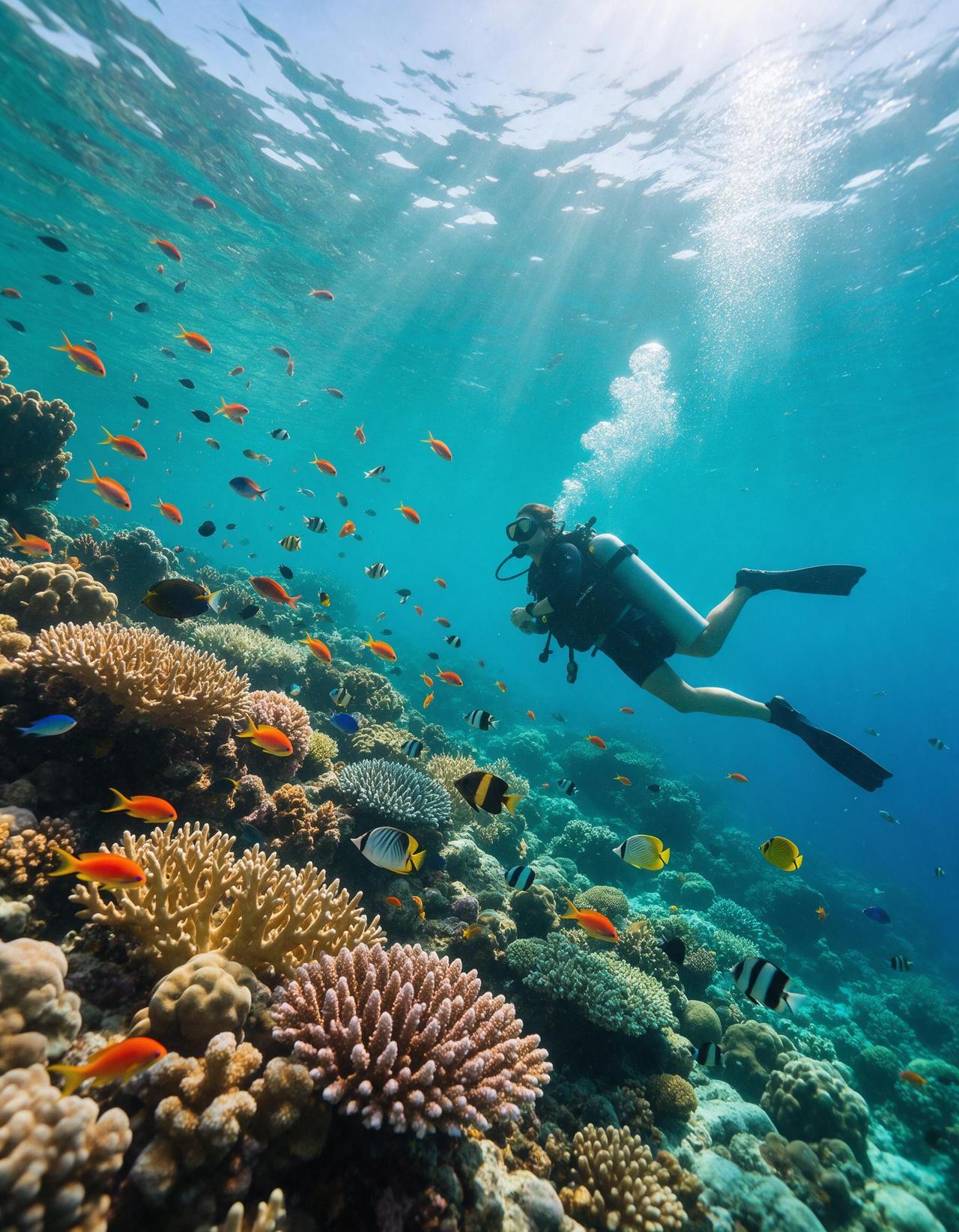
Koh Tao: Thailand’s Diving Island
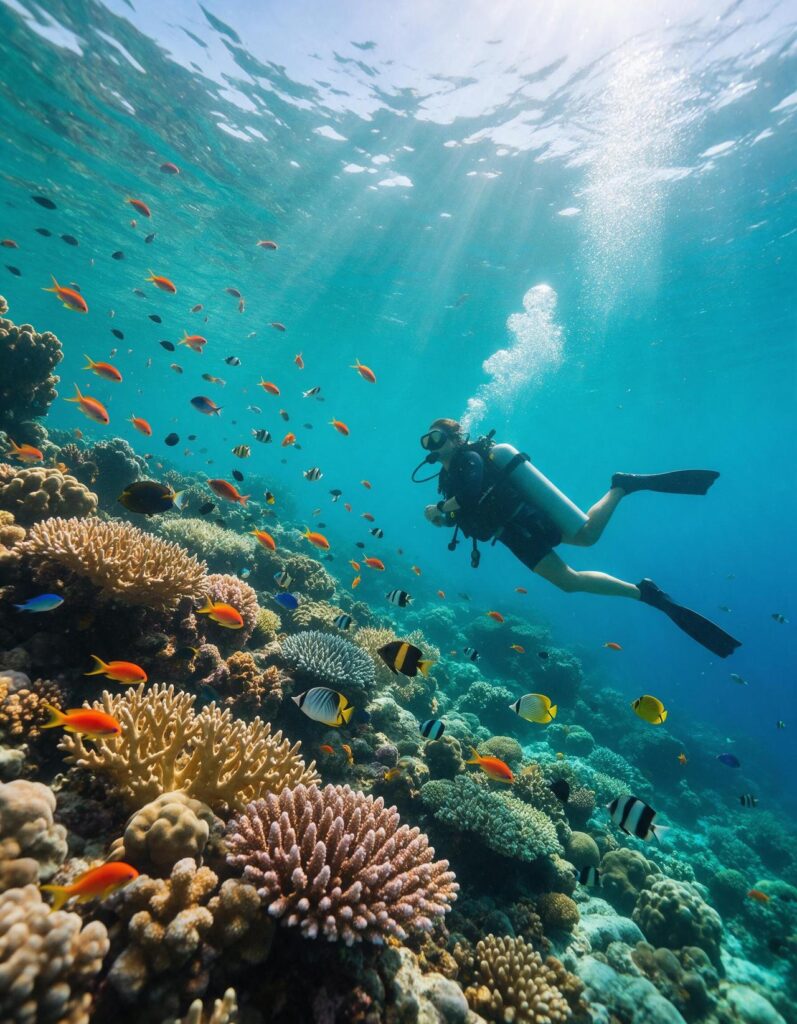
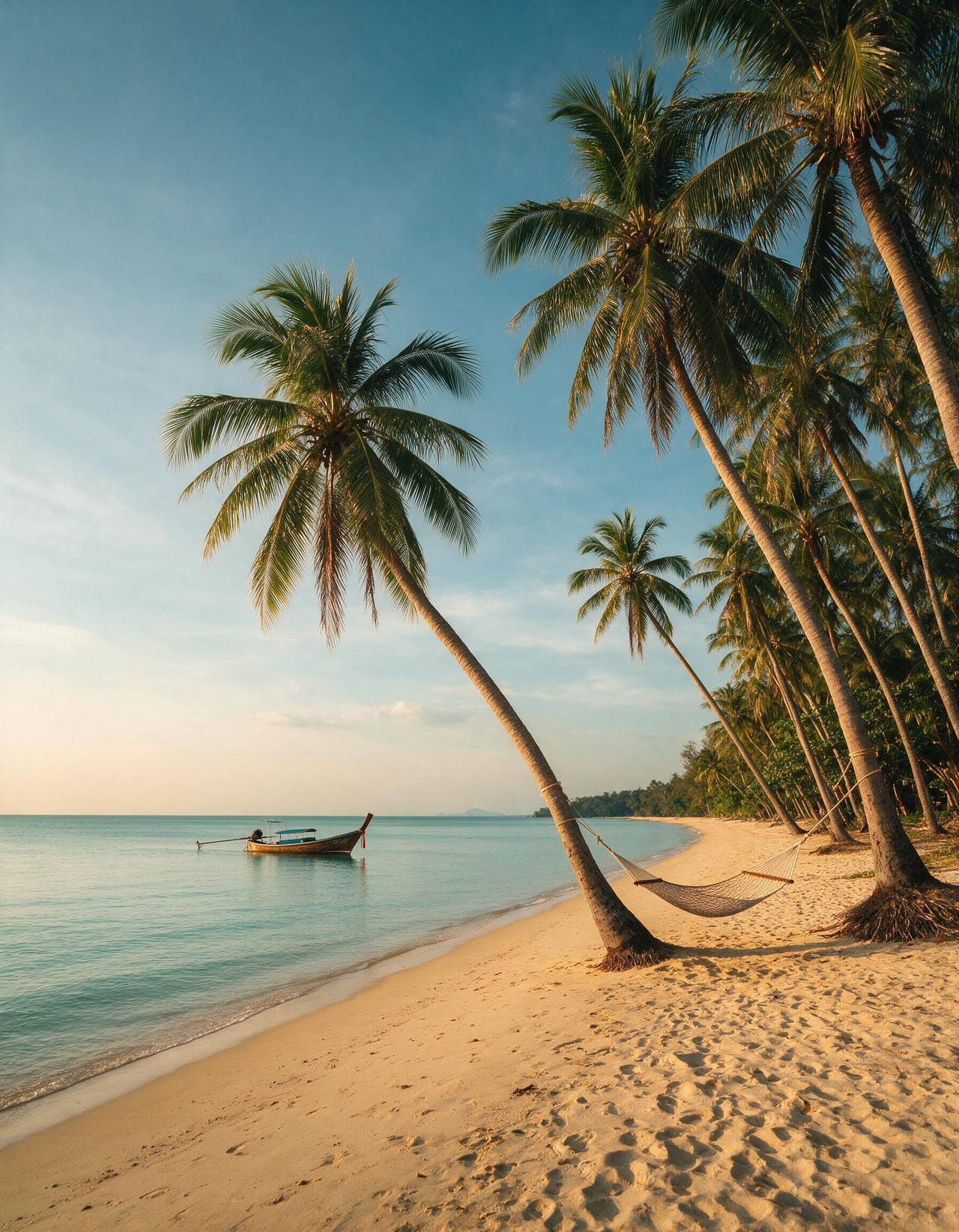
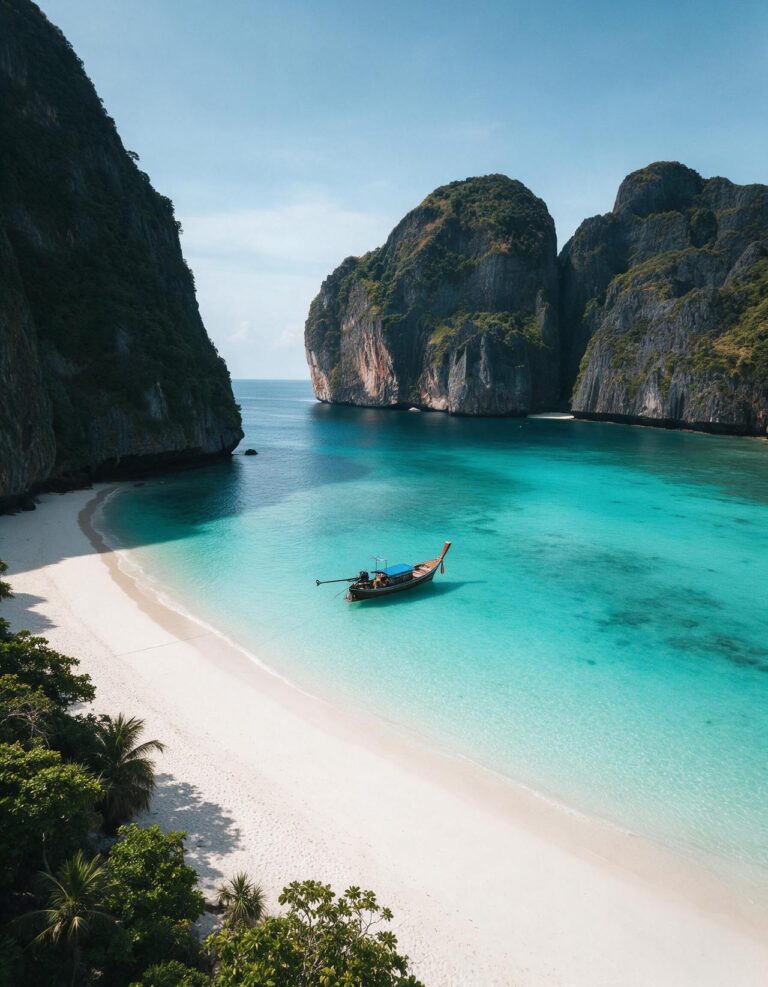
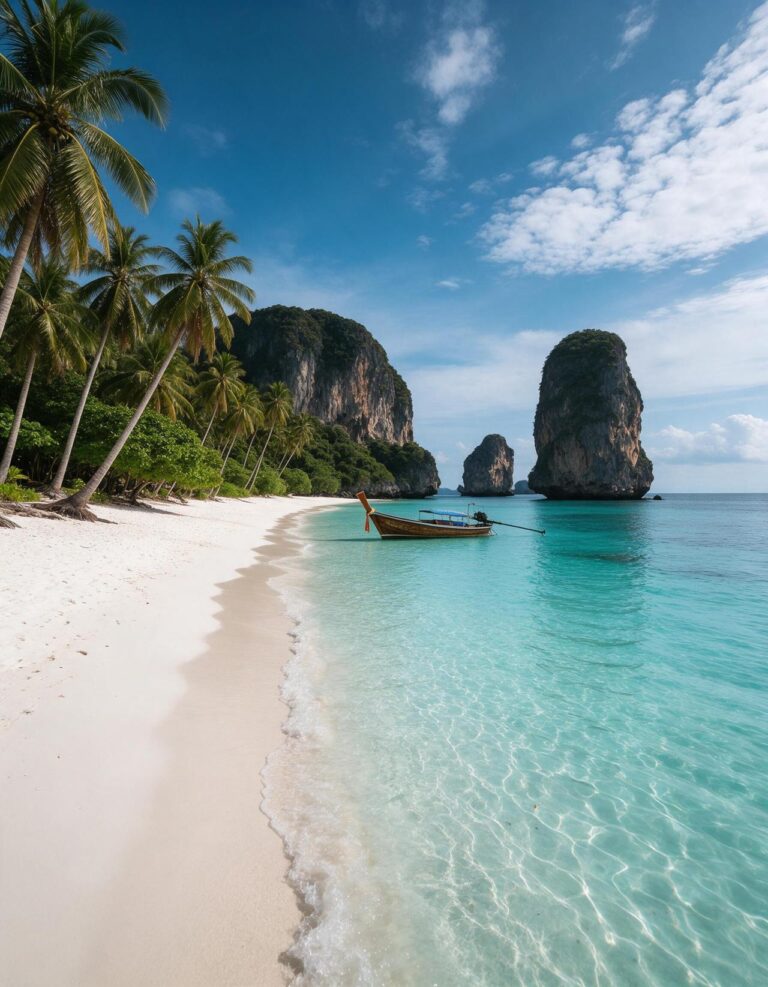
Koh Tao, a small island in the Gulf of Thailand, is synonymous with diving. Measuring just 21 square kilometres, this island issues more PADI dive certifications than anywhere else in the world, making it one of the most popular learn-to-dive destinations on the planet. The combination of warm water (28-30 degrees Celsius year-round), excellent visibility (often 15-30 metres), affordable prices, and more than 25 dive sites accessible within a 40-minute boat ride makes Koh Tao an ideal place for both beginners and experienced divers. But the island is not just for divers. Its beaches, viewpoints, and laid-back atmosphere make it a favourite for backpackers, families, and beach lovers alike. The island’s name, which means ‘Turtle Island,’ comes from its shape, which resembles a turtle, and sea turtles are still frequently spotted on dives.
The Best Dive Sites
Koh Tao has dive sites for every level. Chumphon Pinnacle, a deep site about 40 minutes from the main pier, is the island’s most famous, known for its granite pinnacles rising from the seabed and attracting schools of barracuda, batfish, and the occasional whale shark (usually March to May). Sail Rock, a single rock pinnacle between Koh Tao and Koh Phangan, is another premier site with a vertical chimney that divers can swim through. For beginners, Japanese Garden, a shallow reef on the east coast, is perfect for training dives, with colourful corals, clownfish, and easy conditions. Green Rock and Twin Peaks offer swim-throughs and pinnacles, while Shark Bay, accessible from the shore, is known for blacktip reef sharks and sea turtles. Most dive centres offer two-dive trips in the morning and two in the afternoon, with prices around 2,000-2,500 THB per trip.
Learning to Dive on Koh Tao
Koh Tao is one of the cheapest and most popular places in the world to get certified. A PADI Open Water course, the entry-level certification that allows you to dive to 18 metres, costs around 9,500-11,000 THB ($270-$310 USD) and takes 3-4 days. The course includes theory (usually online or in a classroom), confined water training in a pool or shallow bay, and four open water dives. There are more than 50 dive schools on the island, ranging from large operations with multiple boats and air-conditioned classrooms to small, boutique schools that emphasise small groups and personalised instruction. Some of the most reputable include Big Blue Diving, Ban’s Diving Resort, and Crystal Dive. Many schools offer accommodation packages, and it is possible to do advanced certifications, nitrox courses, and even divemaster internships.
Beaches and Island Life
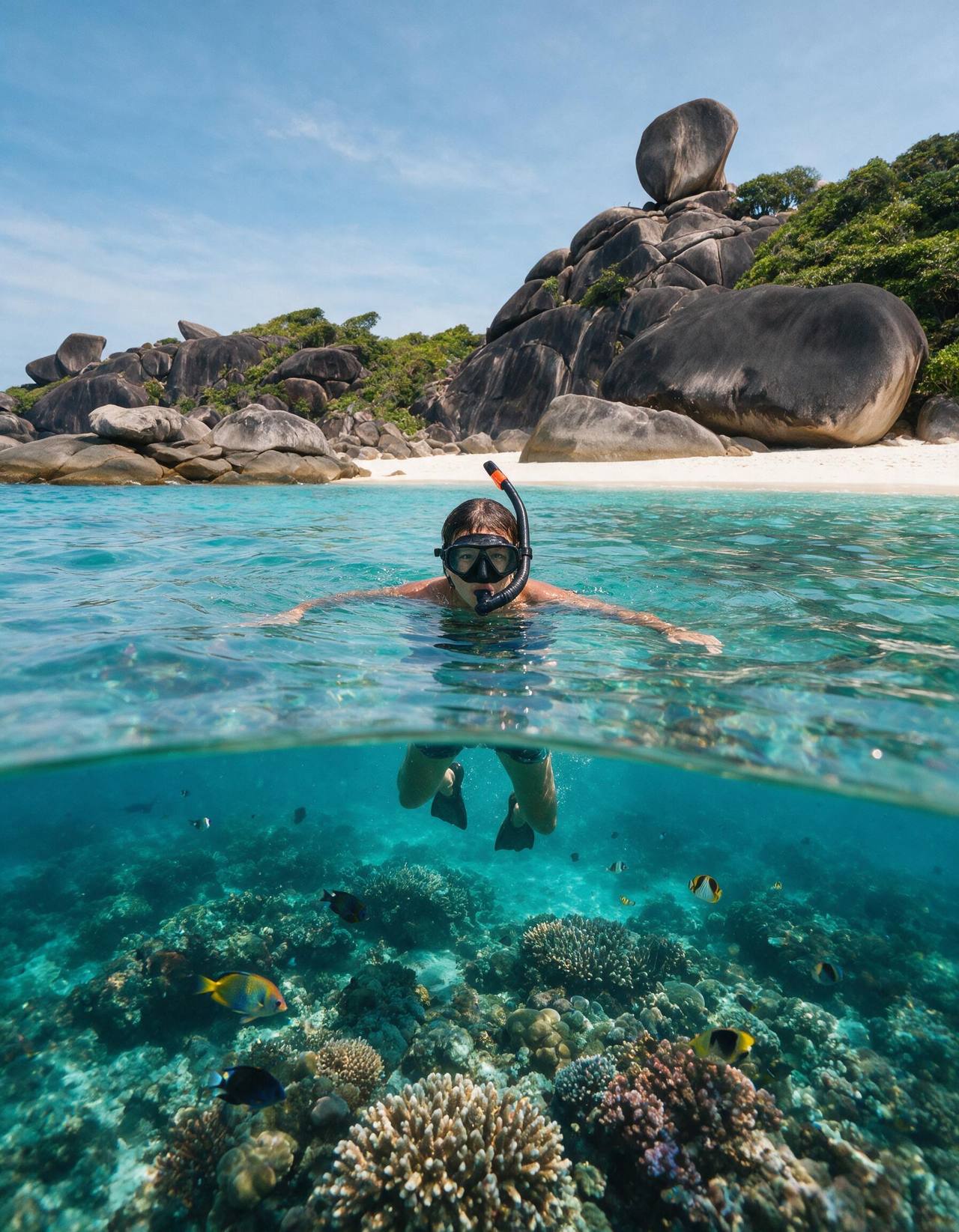
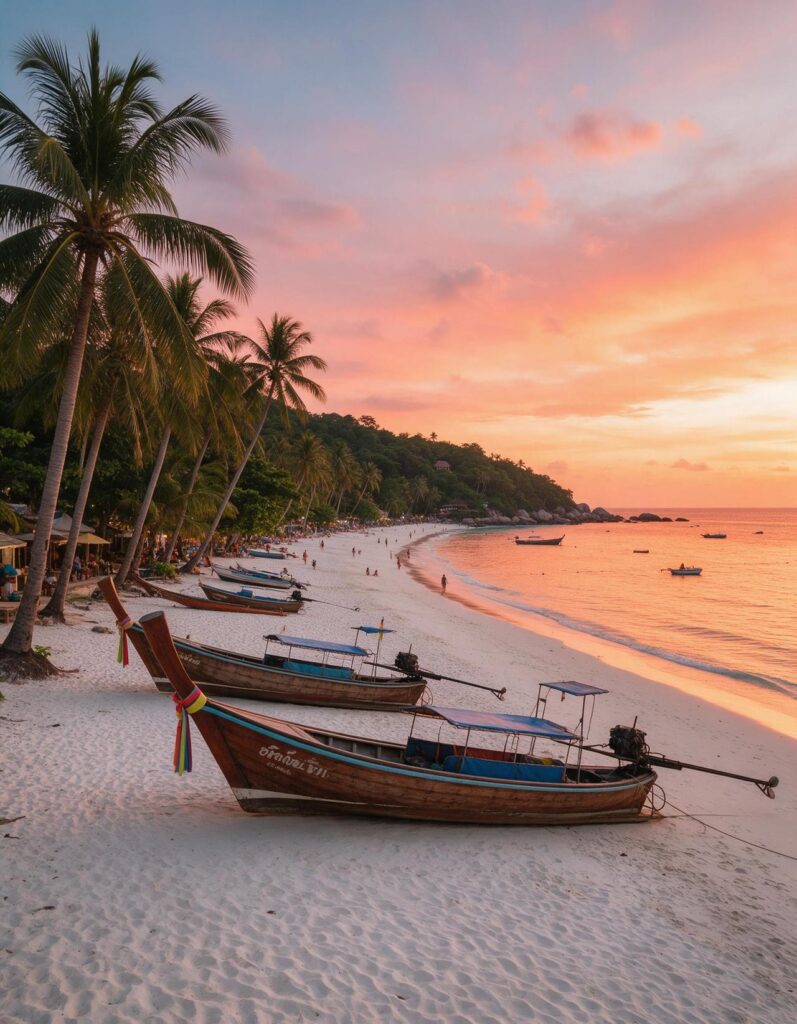
When you are not diving, Koh Tao has some beautiful beaches. Sairee Beach, on the west coast, is the longest and most popular, a 1.7-km stretch of white sand lined with bars, restaurants, and resorts. It is the social centre of the island, with beach parties, fire shows, and live music. Freedom Beach, accessible by a short hike from the south end of Sairee, is quieter and has better snorkelling. Tanote Bay on the east coast is a favourite for snorkelling, with a large rock in the centre of the bay that is great for swimming around. Sai Nuan Beach, accessible only by foot or boat, is a secluded spot perfect for a quiet afternoon. The south coast has several viewpoints, including the famous John-Suwan Viewpoint, which offers stunning panoramic views of the island’s bays.
Practical Tips for Visitors
- Getting there: Koh Tao has no airport. The most common route is by ferry from Chumphon or Surat Thani, which are accessible by train or bus from Bangkok. The Lomprayah and Seatran ferries take 1.5-2 hours from Chumphon and 2-3 hours from Surat Thani. There are also ferries from Koh Samui and Koh Phangan.
- Best time: March to September offers the best diving conditions with calm seas and good visibility. October to December can have rough seas. Whale sharks are most commonly seen from March to May.
- Diving costs: Open Water course: 9,500-11,000 THB ($270-$310). Fun dives: 1,000-1,200 THB per dive, with discounts for multiple dives. Full equipment rental is included in most courses.
- Where to stay: Sairee Beach for nightlife and convenience, Tanote Bay or Shark Bay for peace and snorkelling. Budget dorms start at 300 THB, mid-range from 1,200 THB, luxury from 3,500 THB.
- Non-diving activities: Snorkelling (best at Japanese Garden and Shark Bay), hiking to viewpoints, kayaking, rock climbing at Koh Nang Yuan, and Thai cooking classes.
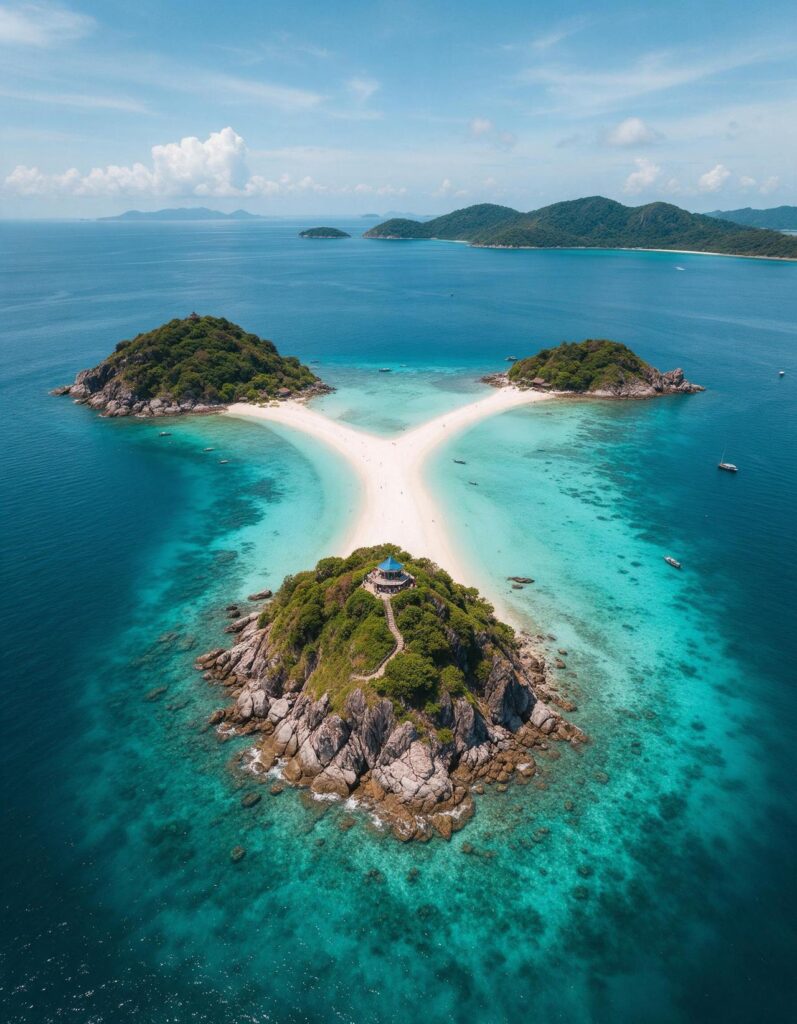
A short long-tail boat ride from Koh Tao lies Koh Nang Yuan, a trio of tiny islands connected by a sandbar, which is one of the most photographed spots in Thailand. The islands are a protected marine park, and the snorkelling on the reef between the islands is excellent. The viewpoint at the top of the central island requires a steep but short climb and offers one of the most iconic views in the Gulf of Thailand. Koh Nang Yuan can get crowded, so it is best visited early in the morning or late in the afternoon. There is a 100 THB entry fee and a strict no-plastics policy, so do not bring plastic bottles or bags. The islands also have a small resort and a restaurant, but most visitors come on a day trip from Koh Tao.