Best Time to Visit Thai Islands: A Month-by-Month Weather and Travel Guide
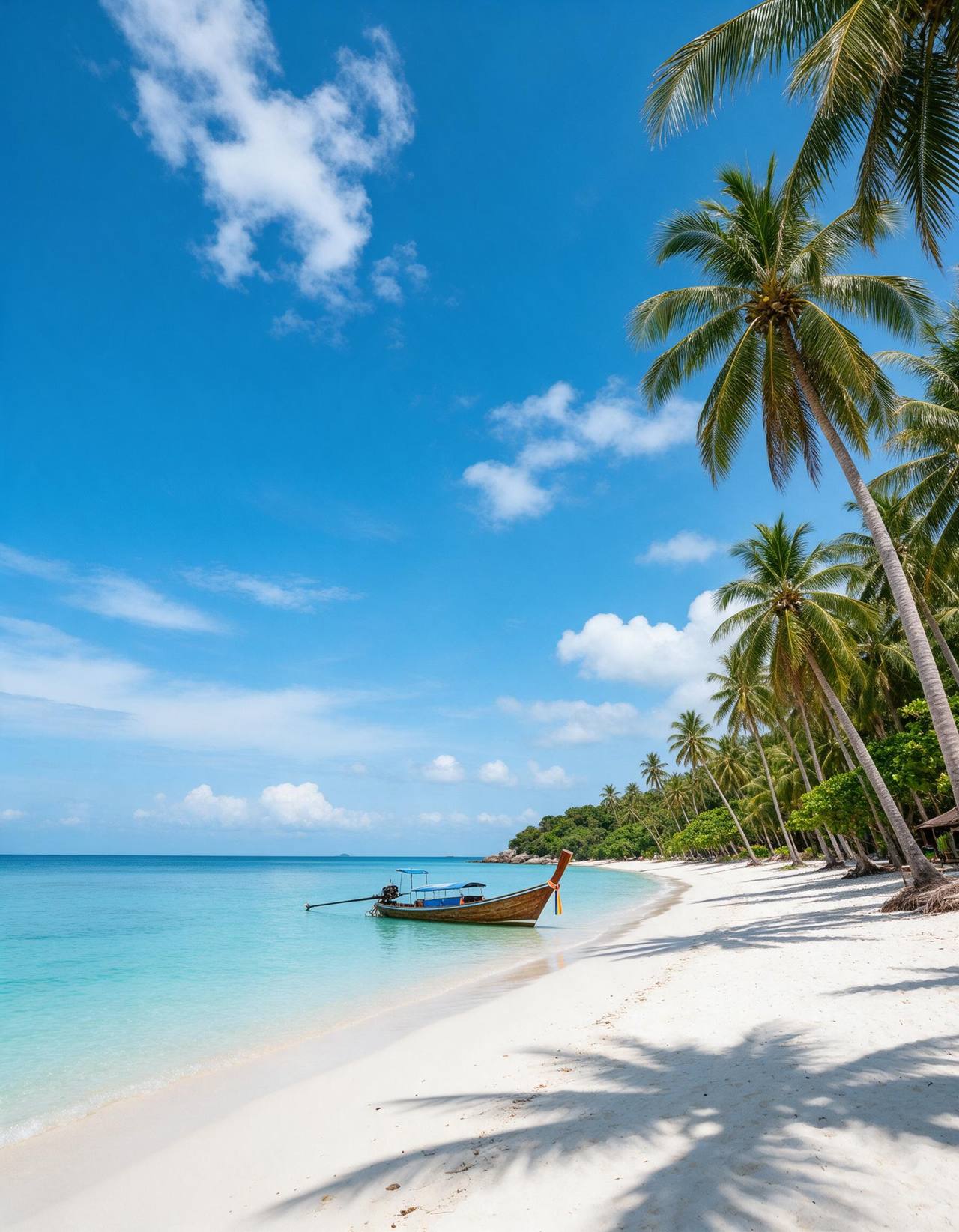
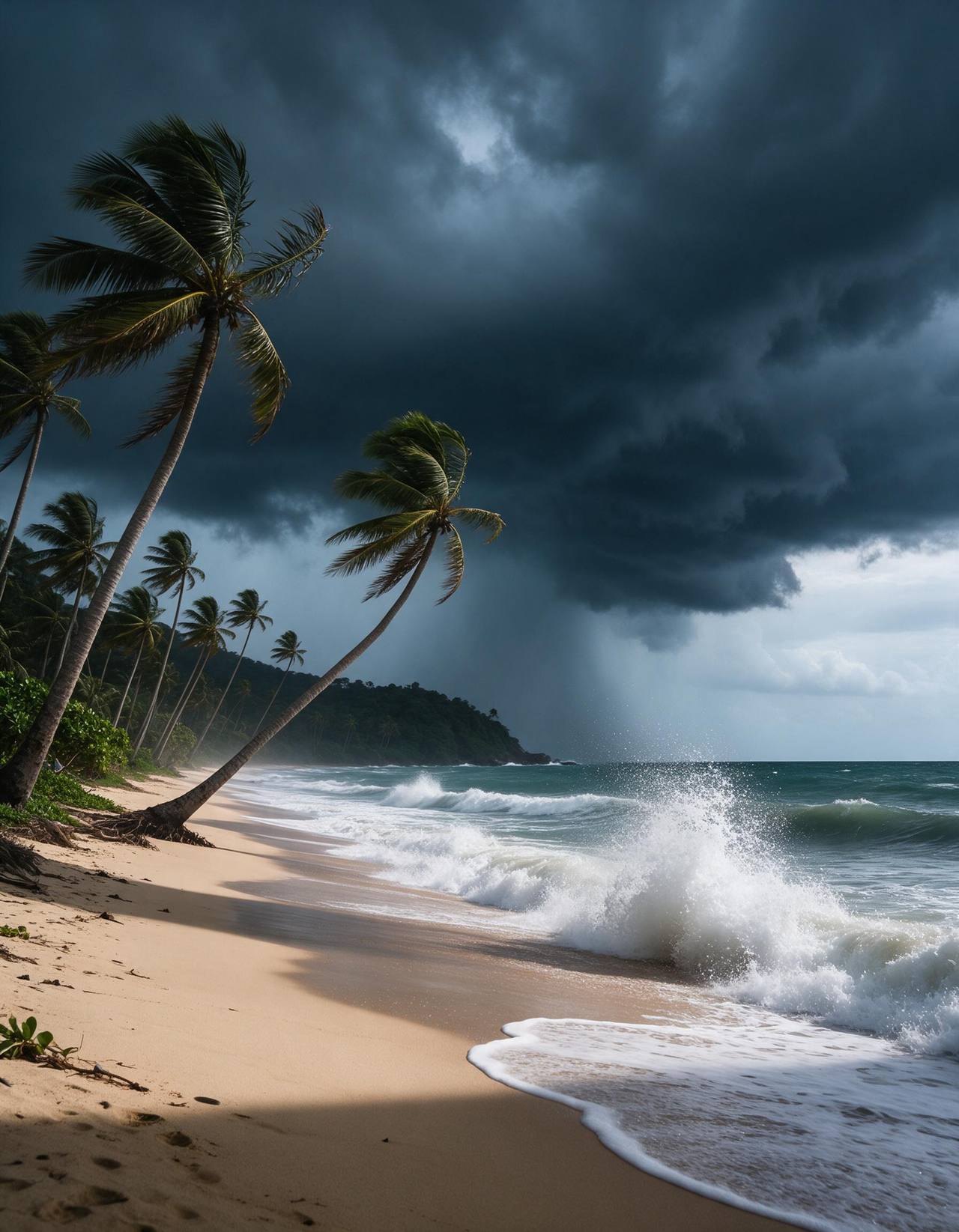
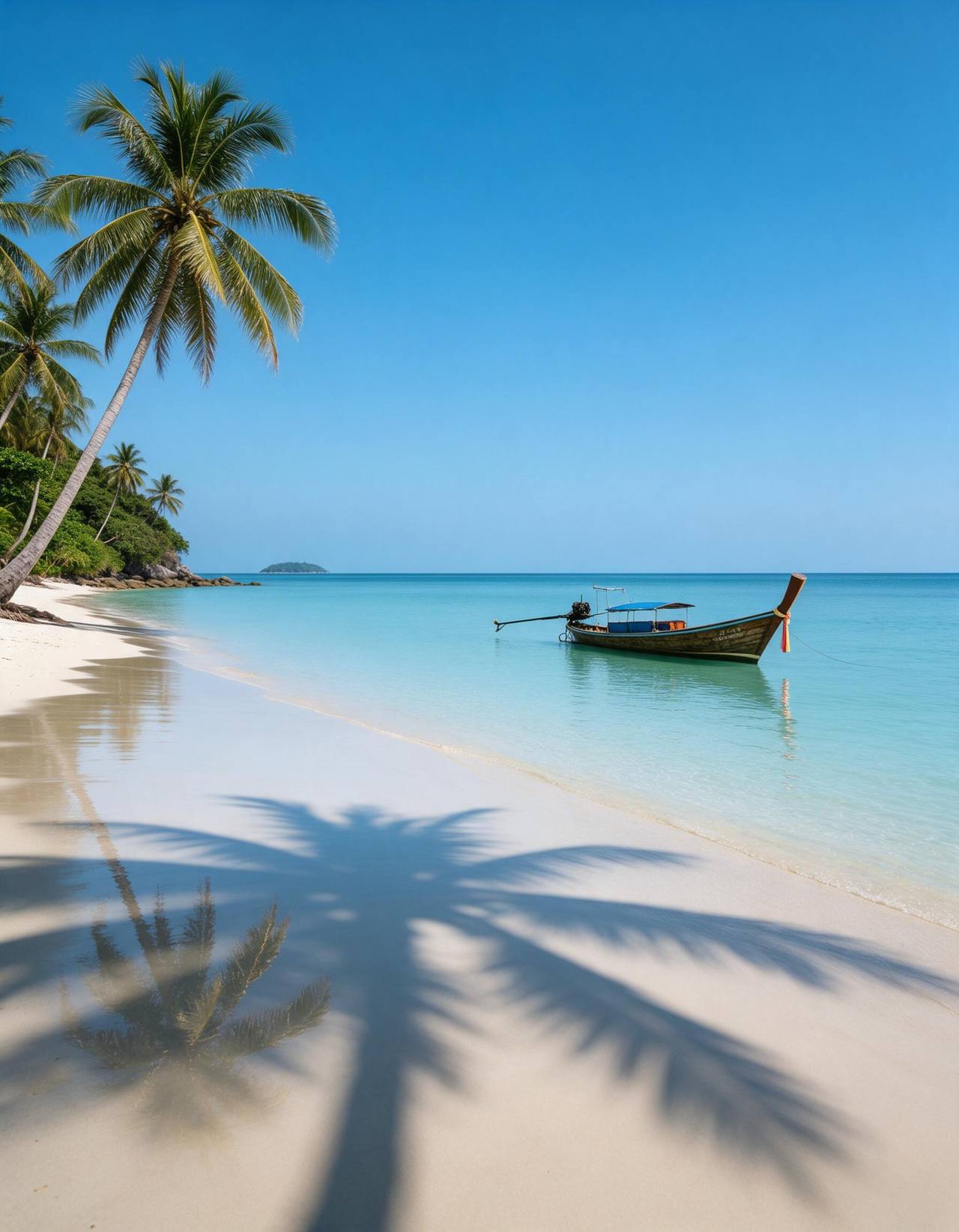
One of the most confusing things about planning a Thailand beach holiday is that the country has two distinct weather systems. The Andaman coast (Phuket, Krabi, Koh Lanta, the Similan Islands) and the Gulf of Thailand (Koh Samui, Koh Phangan, Koh Tao) experience their monsoon seasons at different times. Choosing the wrong coast at the wrong time can mean days of rain and rough seas. This month-by-month guide will help you get it right.
The Two Weather Systems
Before diving into the months, understand the two systems:
- Andaman Coast (West): Phuket, Krabi, Koh Lanta, Koh Lipe, Similan Islands. Monsoon season: May to October. Best weather: November to April.
- Gulf of Thailand (East): Koh Samui, Koh Phangan, Koh Tao, Koh Chang. Monsoon season: October to December (with November being the wettest). Best weather: January to September.
January — Peak Season Everywhere
January is one of the best months to visit any Thai island. The Andaman coast is dry with cool northeast breezes (average 28-32C). The Gulf is also dry and pleasant. This is peak tourist season — expect the highest prices and the biggest crowds, especially around New Year and Chinese New Year (which falls in late January or February).
February — Ideal for Every Island
February is arguably the perfect month. Both coasts are dry and sunny. Temperatures are comfortable (29-33C), humidity is lower, and the sea is calm on both sides. Chinese New Year (usually in February) brings a surge of visitors, so book early. The water visibility for snorkelling and diving is excellent everywhere.
March — Still Great, Getting Hotter
March is the last truly great month on both coasts. Temperatures start climbing (32-35C), but both the Andaman and Gulf remain dry. Whale shark sightings are possible at the Similan Islands and at Sail Rock (Koh Phangan). This is a good value month — prices start to drop from February peaks.
April — Hottest Month, Songkran Fun
April is the hottest month in Thailand (35-40C), but it is also when Songkran (Thai New Year water festival) takes place (April 13-15). Both coasts are still relatively dry, though afternoon thunderstorms become more frequent. This is a fun, festive time to visit, but be prepared for extreme heat. Stay hydrated and plan activities for early morning or late afternoon.
May — The Andaman Monsoon Begins
May is a transition month. The Andaman coast starts getting monsoon rains — they are not constant (you may get a heavy afternoon storm and sunshine the rest of the day), but the sea gets rougher and some boat trips may be cancelled. The Similan Islands may close in mid-May. The Gulf coast remains in good shape with only occasional rain. If you must visit in May, choose the Gulf (Koh Samui, Koh Phangan, Koh Tao).
June — Gulf Is Your Best Bet
June brings more consistent monsoon to the Andaman coast — expect several rainy days per week, rough seas, and some businesses and resorts closing. The Gulf remains relatively dry (it is technically in its dry season). Koh Samui, Koh Phangan, and Koh Tao are excellent choices. Accommodation prices drop significantly on both coasts. This is a good month for budget travellers willing to go to the Gulf.
July — Gulf Remains Good
July is similar to June. The Andaman coast is in full monsoon — heavy rain, big waves (which actually makes it popular with surfers in Phuket and Khao Lak), and reduced services. The Gulf coast continues to have decent weather with occasional rain but plenty of sunshine. This is European school holiday season, so the Gulf gets busier despite it being low season overall.
August — Still Gulf Season
August conditions are similar to July. The Andaman coast is wet and stormy. The Gulf is still the best bet, though rain becomes more frequent toward the end of the month. Koh Samui and Koh Phangan are your best island choices. The water on the Gulf side is warm and calm, making it ideal for swimming and snorkelling.
September — The Tricky Month
September is challenging. The Andaman monsoon is at its peak — some islands (Koh Lipe, Similans) are closed entirely. The Gulf is starting to get more rain as its monsoon approaches, though it is still not at its worst. This is the quietest month for tourism and the cheapest for accommodation. If you go, choose the Gulf, lower your expectations for sunshine, and enjoy the dramatic tropical storms from a beach bar.
October — The Worst Month Overall
October is generally the worst month for beach holidays in Thailand. The Andaman coast is still in monsoon, and the Gulf coast enters its own monsoon (November is the peak of the Gulf monsoon, but October is already very wet). Both sides can experience heavy rain, flooding, and rough seas. Some resorts close for refurbishment. If you must travel in October, consider northern Thailand (Chiang Mai, Pai) or Bangkok instead of the beaches. The weather is usually better inland.
November — The Flip
November is a transition month. The Andaman coast starts to clear up — the monsoon tapers off, the sea calms, and resorts reopen and repaint. By mid-November, the Similan Islands reopen (usually around October 15). The Gulf coast, however, gets its heaviest rains — November is the wettest month for Koh Samui. If you are going in November, choose the Andaman coast (Phuket, Krabi, Koh Lanta). Late November is when Loy Krathong and Yi Peng festivals take place, which are worth timing your trip around.
December — Andaman Is Perfect
December is peak season on the Andaman coast. The weather is excellent — dry, sunny, and comfortable. The Gulf is still in monsoon, with rain likely until mid-December, when it starts to clear. Christmas and New Year are the most expensive and crowded time of year. Book accommodation months in advance. For the best December experience, choose the Andaman coast.
Quick Reference: Best Island by Month
| Month | Andaman Coast | Gulf Coast | Best Choice |
|---|---|---|---|
| Jan | Excellent | Excellent | Either |
| Feb | Excellent | Excellent | Either |
| Mar | Excellent | Excellent | Either |
| Apr | Good (hot) | Good (hot) | Either |
| May | Mixed | Good | Gulf |
| Jun | Poor | Good | Gulf |
| Jul | Poor | Good | Gulf |
| Aug | Poor | Good | Gulf |
| Sep | Poor | Mixed | Gulf (expect rain) |
| Oct | Mixed | Poor | Avoid beaches |
| Nov | Improving | Poor | Andaman |
| Dec | Excellent | Mixed | Andaman |
Thailand’s beaches are beautiful year-round if you choose the right coast at the right time. Follow this simple rule — Andaman from November to April, Gulf from May to September — and you will have the beach holiday you are dreaming of.