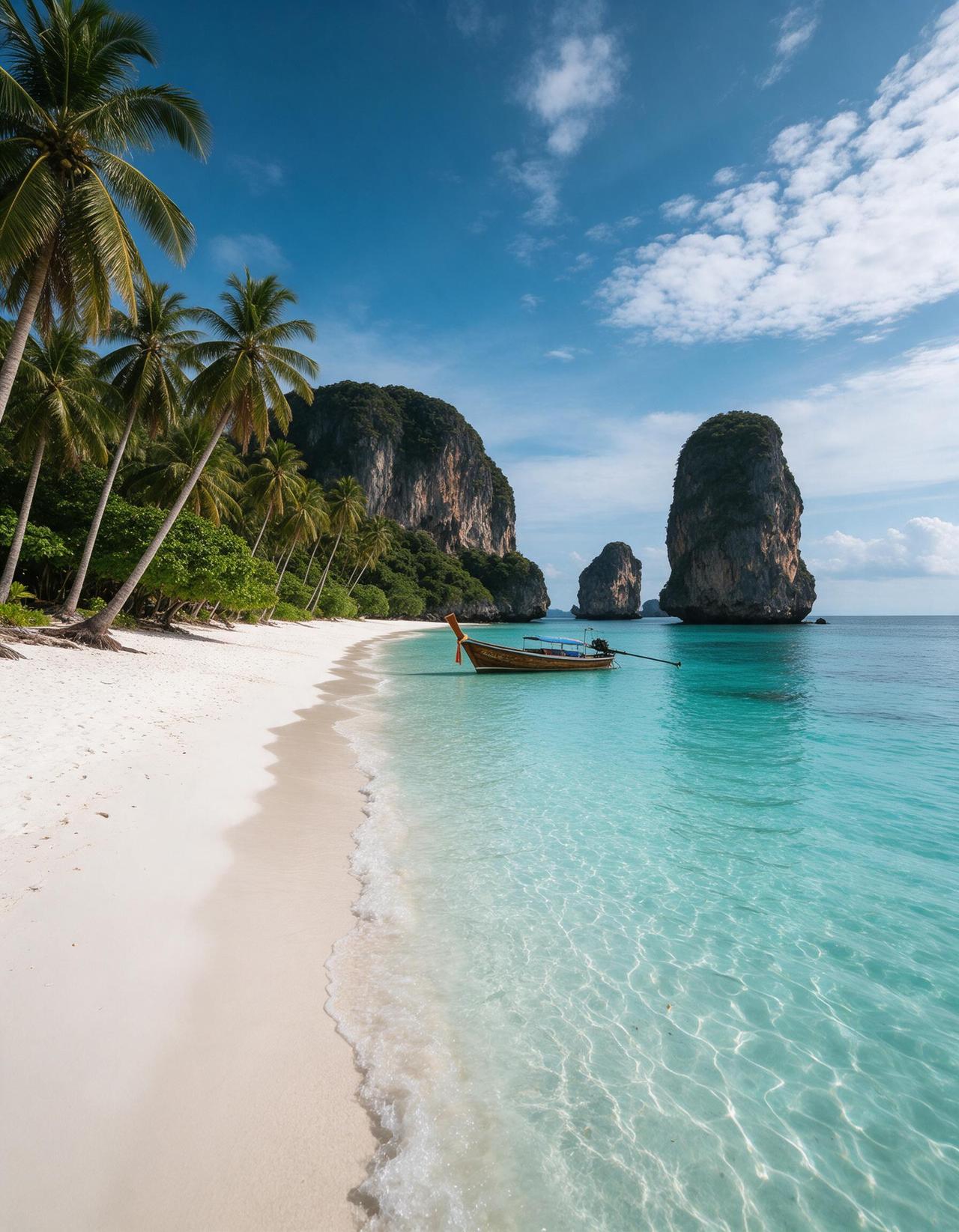
Koh Samui: Palm-Fringed Island Paradise
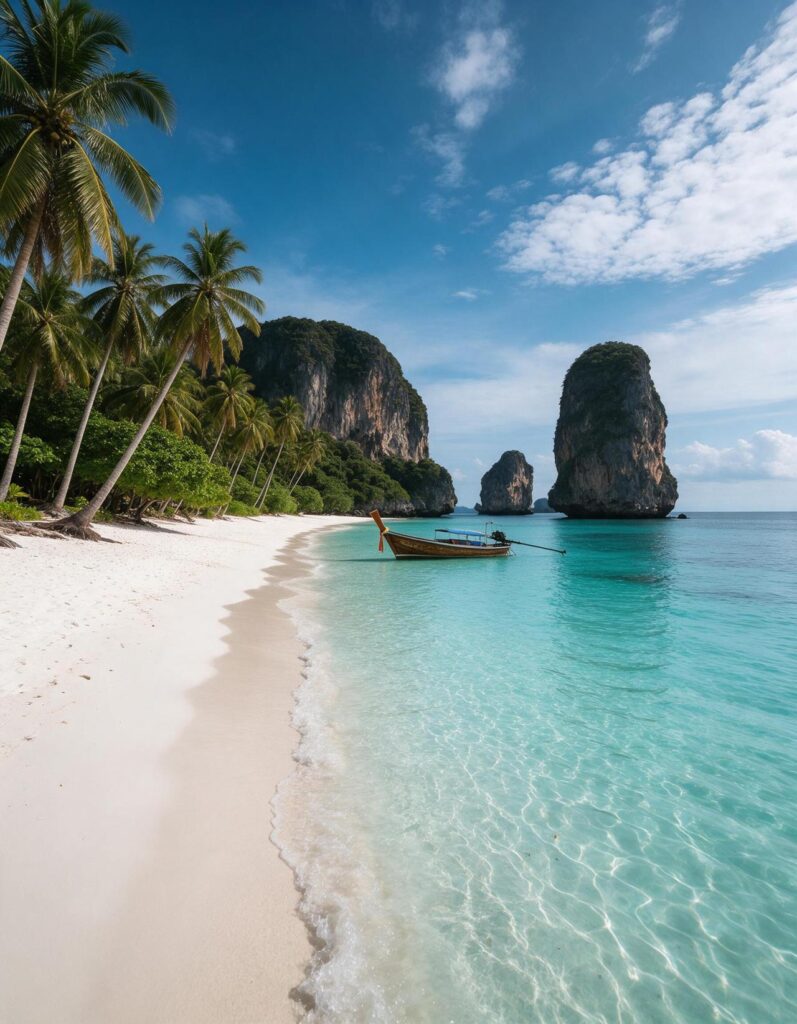
Koh Samui, Thailand’s second-largest island after Phuket, sits in the Gulf of Thailand about 80 kilometres off the coast of Surat Thani province. What was once a backpacker haven accessible only by coconut boat is now one of Southeast Asia’s premier island destinations, with an international airport, world-class resorts, and a range of experiences that spans the spectrum from wild nightlife to wellness retreats. The key to enjoying Samui is understanding that each beach and each side of the island has its own personality, and choosing the right one for your travel style makes all the difference.
Choosing Your Beach
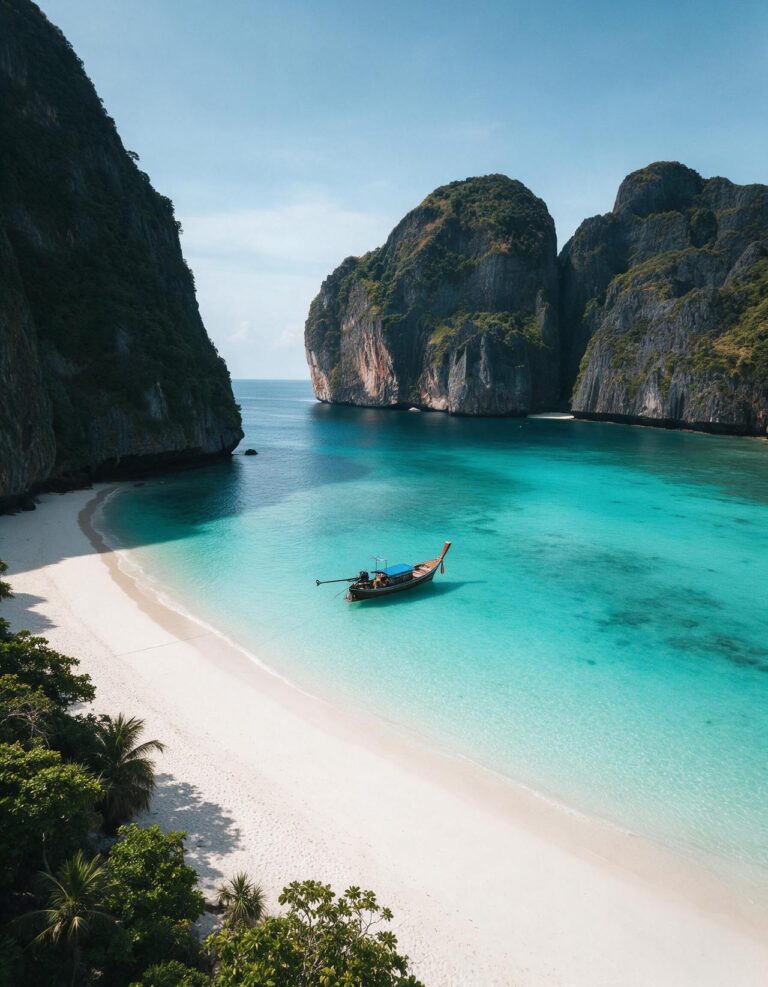
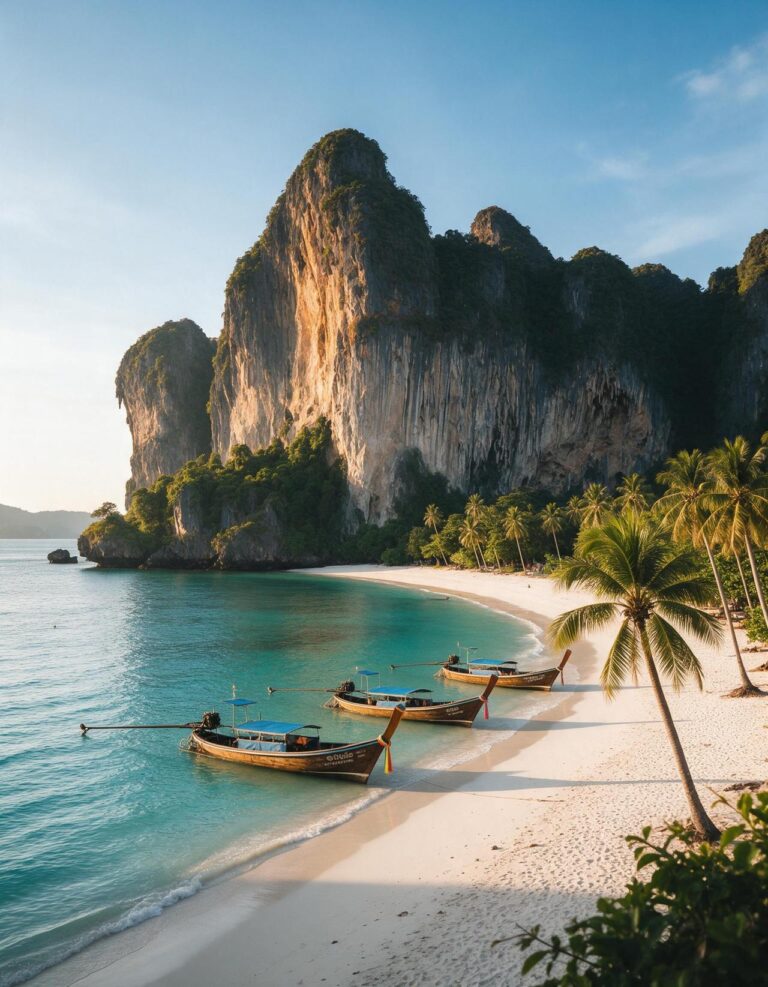
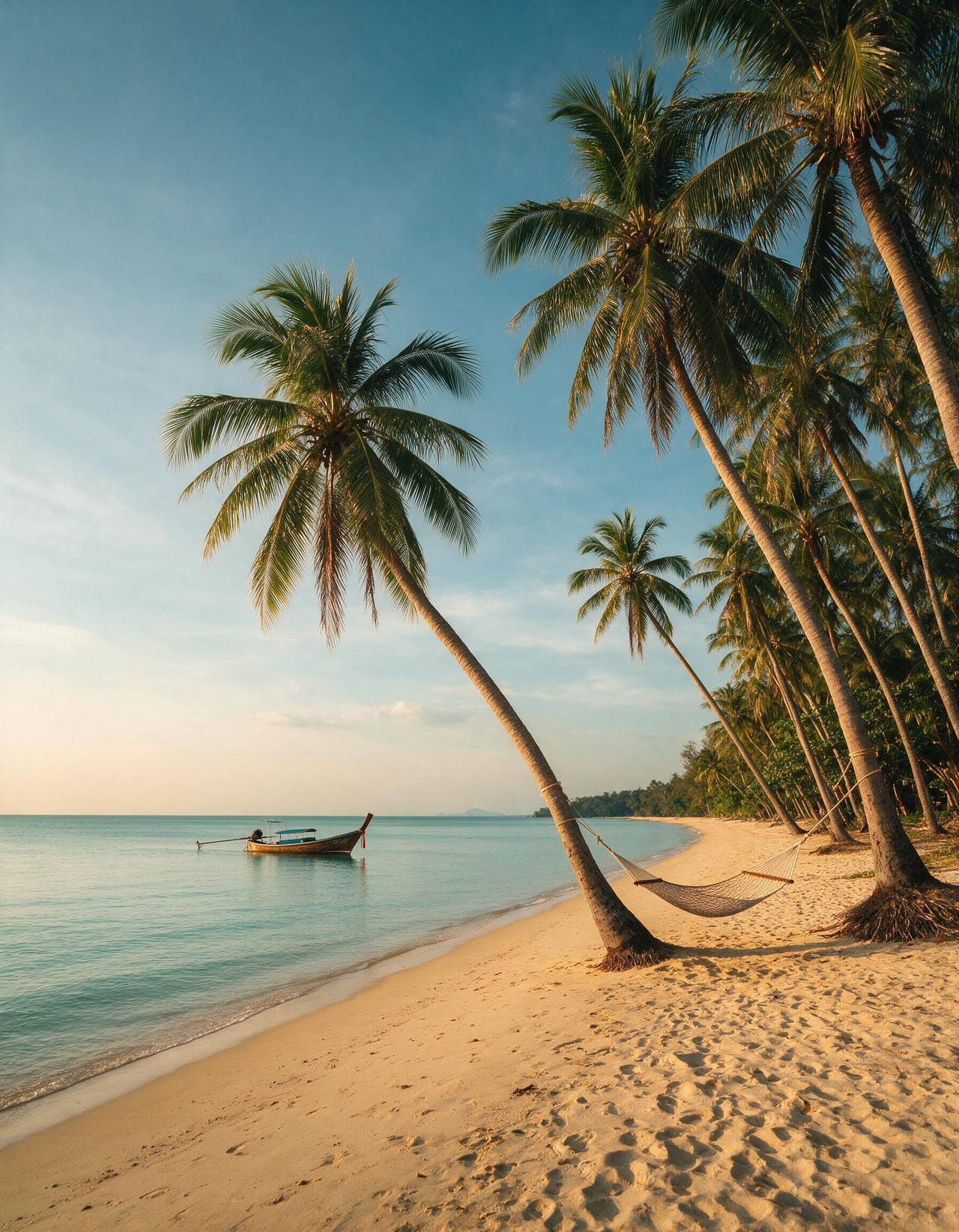
Chaweng Beach, on the east coast, is the island’s busiest and most developed, with a six-kilometre stretch of white sand backed by resorts, restaurants, and bars. It is the centre of nightlife, shopping, and activity, and is ideal for those who want everything within walking distance. Lamai Beach, just south of Chaweng, offers a similar but slightly quieter experience. Bophut Beach, on the north coast, is anchored by Fisherman’s Village, a charming area of old wooden shophouses that has been converted into restaurants and boutiques. Maenam Beach, on the north coast, is quieter and more laid-back, ideal for families and those seeking tranquillity. The south coast beaches of Hua Thanon and Bang Kao are the most remote and offer the most authentic, local experience.
Beyond the Beaches: Jungle, Waterfalls, and Culture
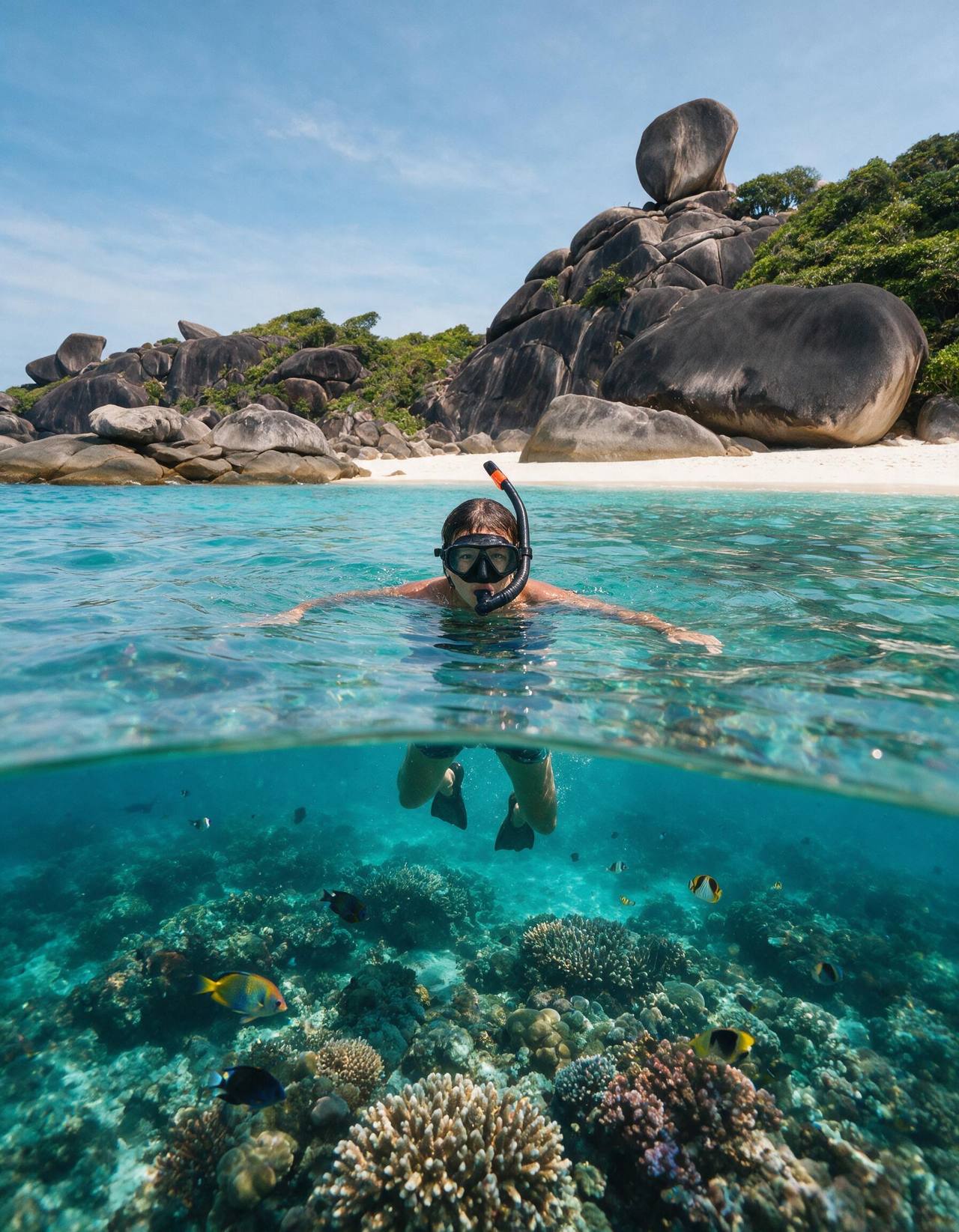
Koh Samui’s interior is dominated by a mountainous jungle that is worth exploring. Na Muang Waterfall, actually two waterfalls (Na Muang 1 and Na Muang 2), cascades through the jungle into natural pools perfect for swimming. The Secret Buddha Garden, hidden in the mountainous interior, is a collection of stone statues built by a local farmer over decades, accessible by 4×4 or a strenuous hike. Hin Ta and Hin Yai, the Grandfather and Grandmother Rocks, are natural rock formations that resemble male and female anatomy and are one of Samui’s most visited and most amusing attractions. Big Buddha, a 12-metre golden Buddha image on a small connected island, is worth a visit for its panoramic views of the north coast.
Practical Tips for Visitors
- Getting there: Fly directly to Samui International Airport (Bangkok Airways) from Bangkok, Phuket, or Singapore. Alternatively, fly to Surat Thani and take a ferry (1.5-2 hours).
- Best time to visit: December to February for ideal weather. March to September is hot season. October and November bring the most rain, though showers are usually brief.
- Getting around: Rent a scooter (200-300 THB/day) for maximum flexibility, or use songthaews (shared taxis) that run fixed routes around the island for 30-50 THB per ride.
- Accommodation budget: Budget hostels from 400 THB, mid-range from 1,500 THB, luxury from 5,000 THB. Beachfront luxury from 10,000 THB.
- What to bring: Reef-safe sunscreen, insect repellent for jungle trips, a dry bag for boat tours, and a light rain jacket if visiting in monsoon season.
Koh Samui has become one of Thailand’s premier wellness destinations, with a concentration of spas, yoga centres, and detox retreats that is rivalled only by Chiang Mai. The island’s west coast, particularly around Lipa Noi and Taling Ngam, has become a hub for wellness tourism, with centres offering yoga teacher training, vipassana meditation, colon cleansing, and raw food retreats. Kamalaya, one of Asia’s top wellness resorts, is located here, as are numerous smaller centres. Even if you are not on a formal retreat, a daily beachside yoga class or a traditional Thai massage at one of the island’s many spas is an essential Samui experience.
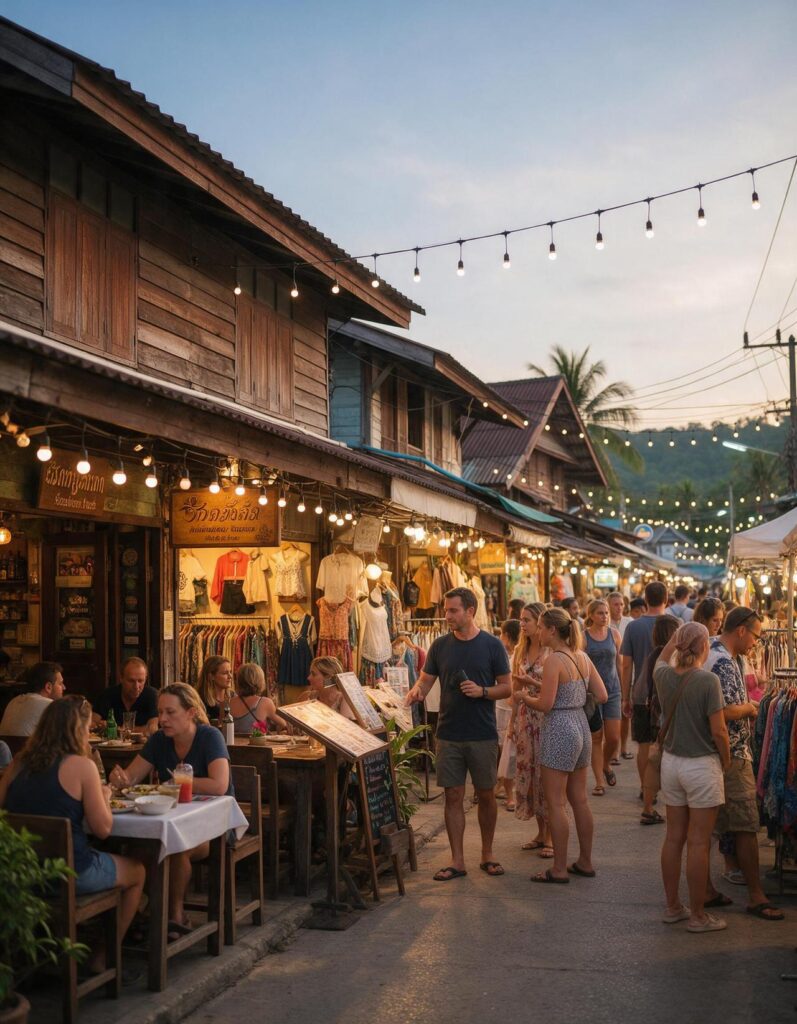
The food on Koh Samui reflects its diverse population, with Thai, international, and seafood restaurants at every price point. For the best local food, head away from the main tourist beaches and into the local villages. The night markets, particularly the Friday market in Fisherman’s Village and the Sunday market in Bophut, offer excellent street food at local prices. Fresh seafood is a Samui speciality, with many beachfront restaurants displaying their catch on ice. Look for restaurants with high turnover and a mix of Thai and foreign customers, as this indicates both freshness and quality. A grilled snapper with green curry and rice should cost about 400-600 THB at a good local restaurant.
Koh Samui is often criticised for being overdeveloped, but this misses the point. The island has evolved to offer something for everyone, and the key is choosing the right part of the island for your needs. If you want parties and nightlife, Chaweng is perfect. If you want quiet luxury, head to the south coast or Taling Ngam. If you want authentic local life, explore the fishing villages and inland roads. Samui is large enough that even in peak season, you can find a quiet beach if you are willing to drive or take a boat. The island rewards exploration, and those who venture beyond their resort will find a Samui that the package tourists never see.