Koh Chang: Thailand’s Wild Eastern Island
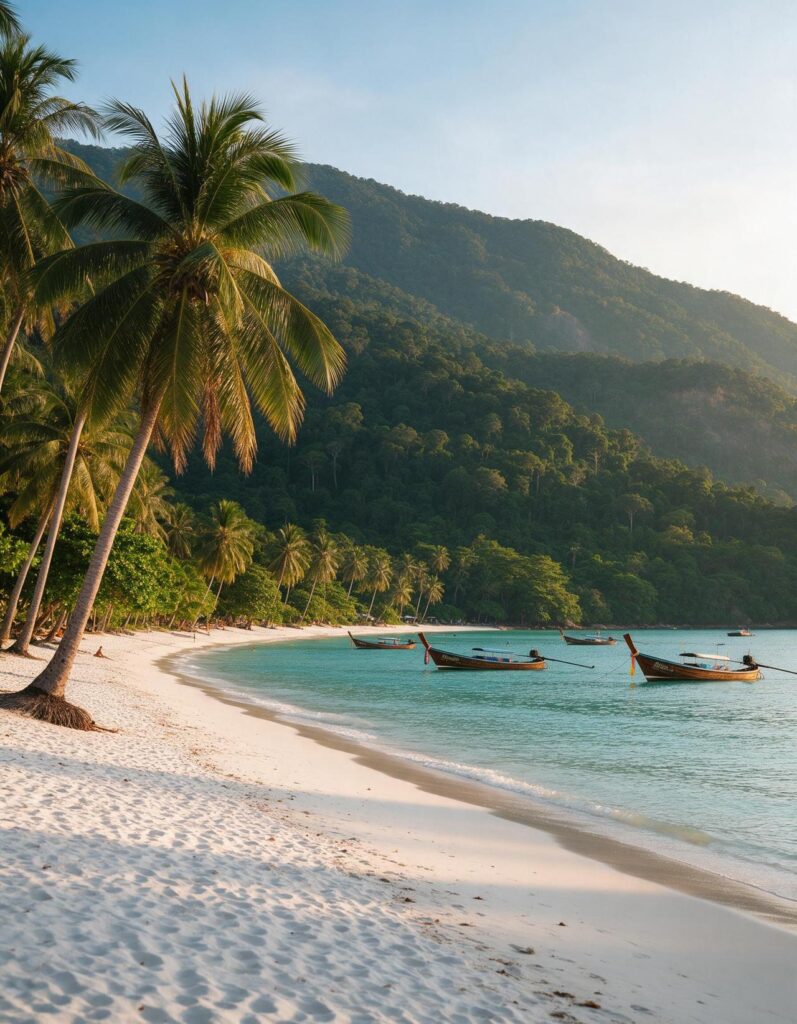
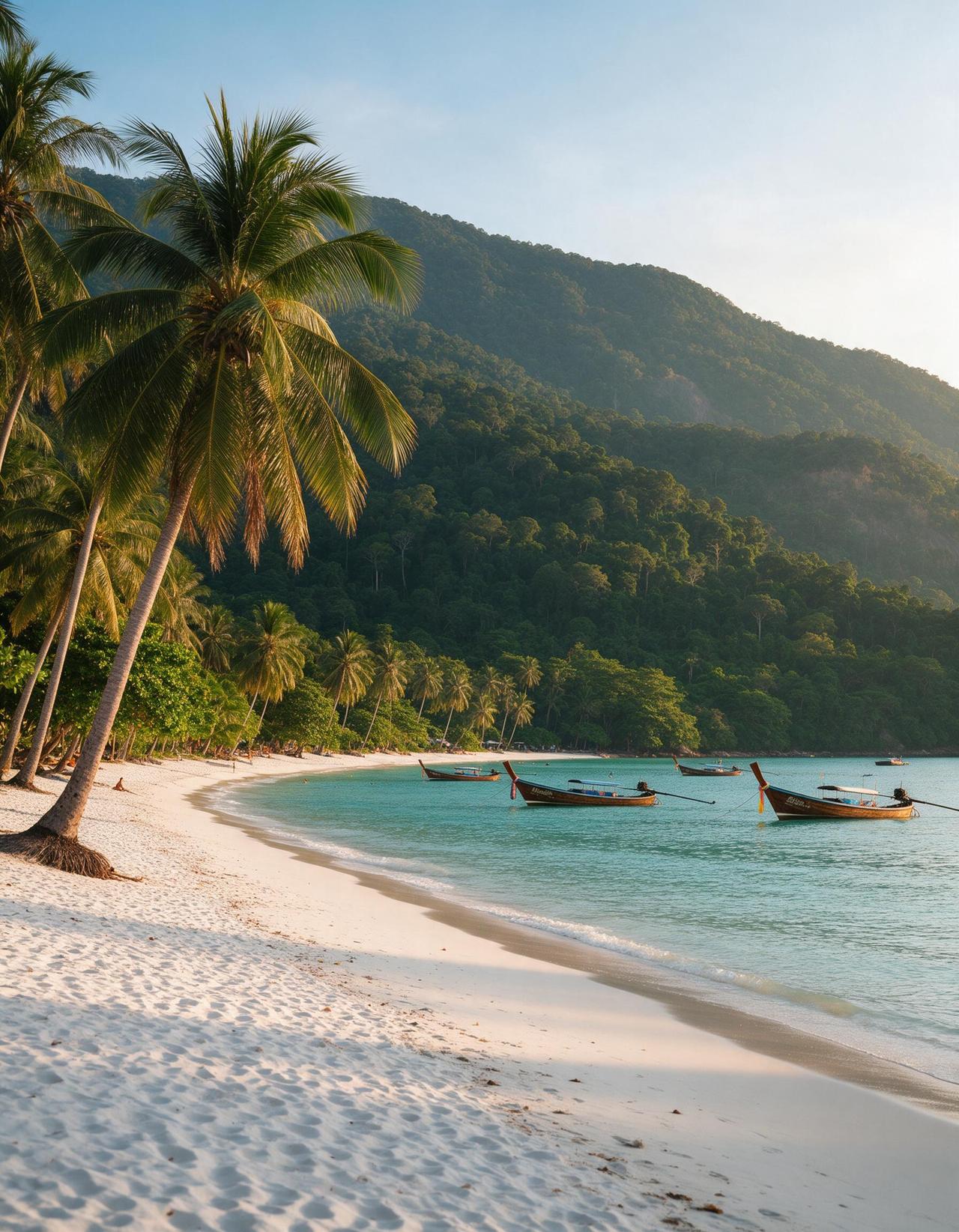
Koh Chang, Thailand’s second-largest island after Phuket, is a mountainous, jungle-covered paradise in the eastern Gulf of Thailand, near the border with Cambodia. Despite its size, Koh Chang has remained far less developed than the islands of the Andaman coast, partly because it is further from Bangkok and partly because much of the island is protected as part of Mu Ko Chang National Park. The island’s interior is dominated by a chain of mountains covered in primary rainforest, crisscrossed by hiking trails and dotted with waterfalls, while the coastline features a mix of developed beaches and quiet fishing villages. The west coast is where most visitors stay, with a string of beaches from White Sand Beach in the north to Bang Bao in the south, each with its own character and atmosphere.
Beaches: From White Sand to Lonely Bay
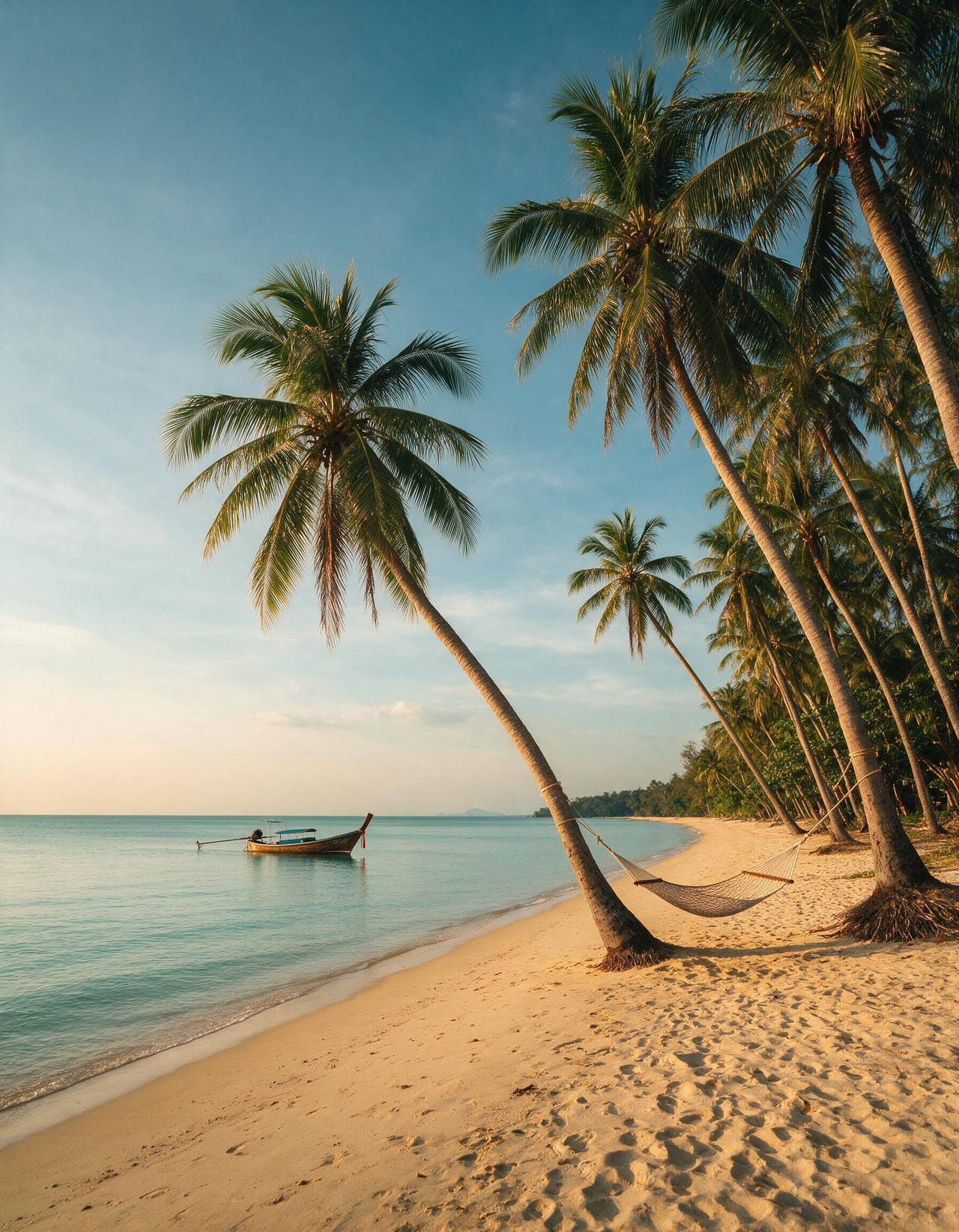
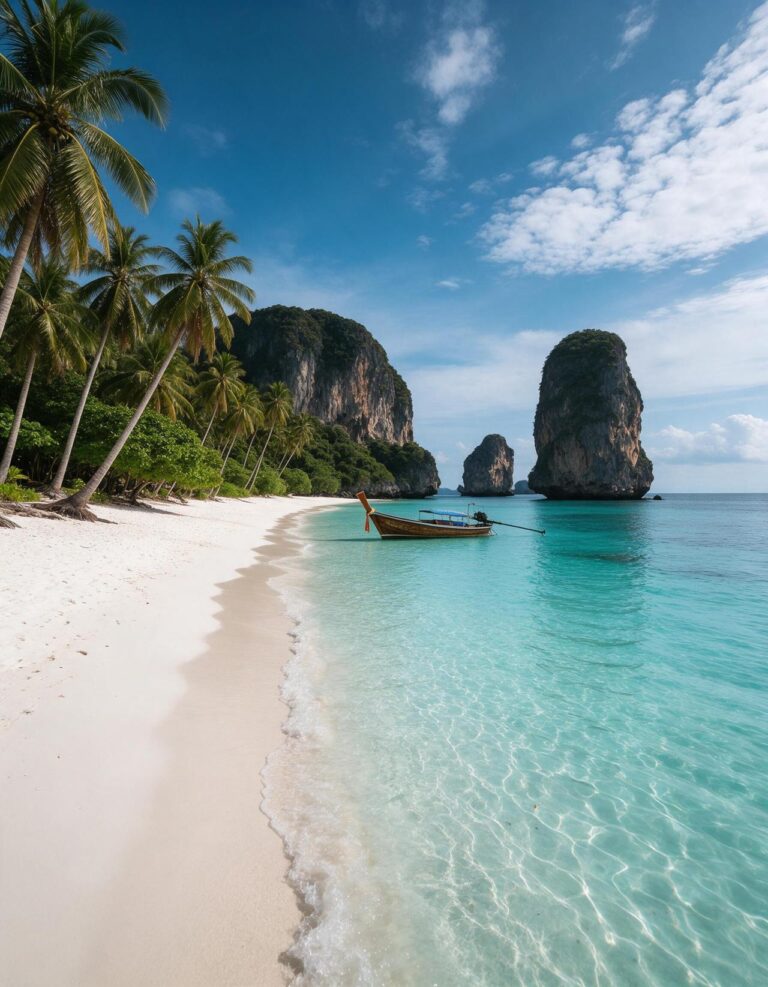
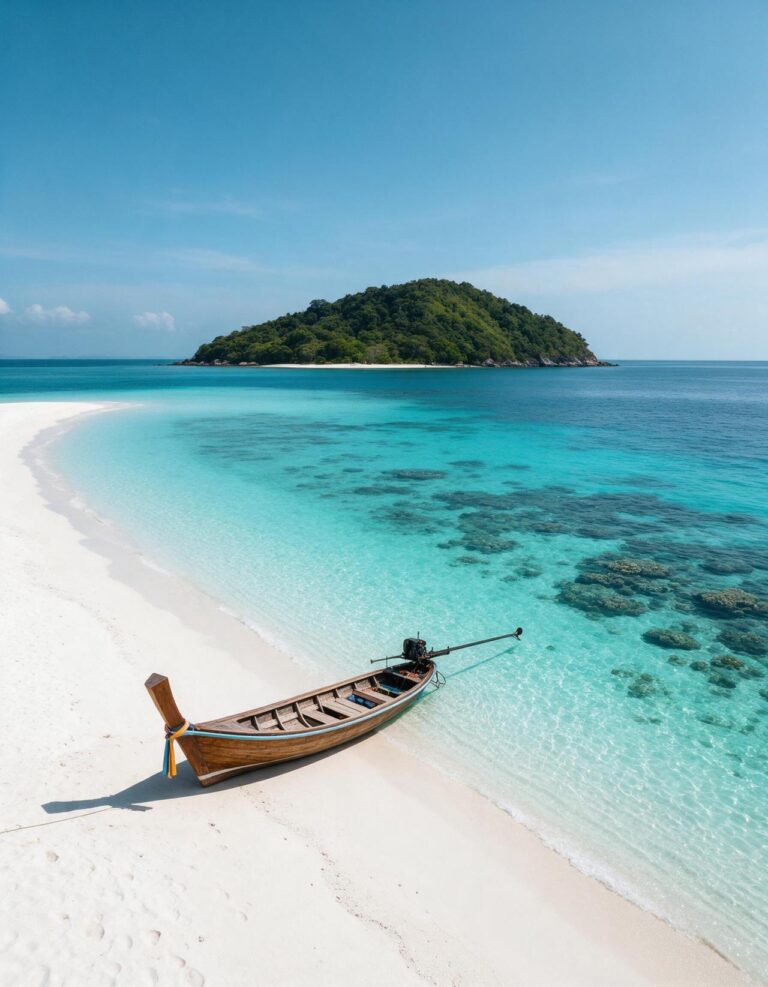
Koh Chang’s west coast beaches are the island’s main attraction. White Sand Beach (Haad Sai Khao) is the most developed, with a wide stretch of white sand, clear water, and a good selection of restaurants, bars, and shops. It is the best beach for swimming and the social centre of the island. Klong Prao Beach, to the south, is longer and quieter, with a river estuary that is good for kayaking. Kai Bae Beach is popular with families, with shallow water and beautiful sunsets. Lonely Beach, despite its name, has become a backpacker hangout with beach bars and parties. Bang Bao, at the southern end, is built on a pier over the water and is the departure point for island-hopping tours. For a truly quiet experience, head to the east coast, where Long Beach and Salak Kok offer pristine sand and almost no development.
Waterfalls and Rainforest Hikes
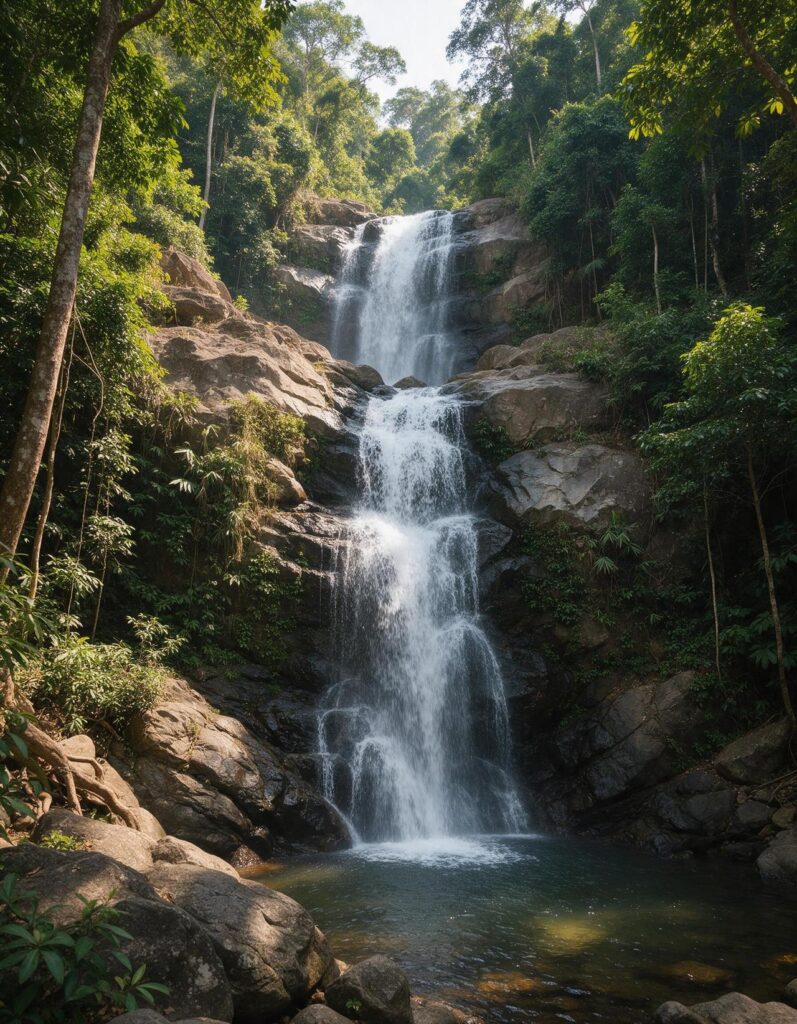
Koh Chang’s interior is a nature lover’s playground. The island has several waterfalls, the most accessible being Klong Plu, a three-tiered cascade near Klong Prao Beach that is just a 10-minute walk from the road. Than Mayom, on the east coast, is larger and less visited, with a natural pool at the base that is perfect for swimming. Klong Nonsi is a smaller waterfall that requires a hike through the jungle. For serious hikers, the Salak Phet trail in the southeast leads through primary rainforest to the island’s highest peak, Khao Salak Phet, at 744 metres. The trail is steep and requires a guide, but it offers the chance to see wildlife including macaques, hornbills, and occasionally wild elephants. The island is also home to several mangrove forests, particularly on the east coast, where kayaking through the waterways is a popular activity.
Island Hopping and Snorkelling
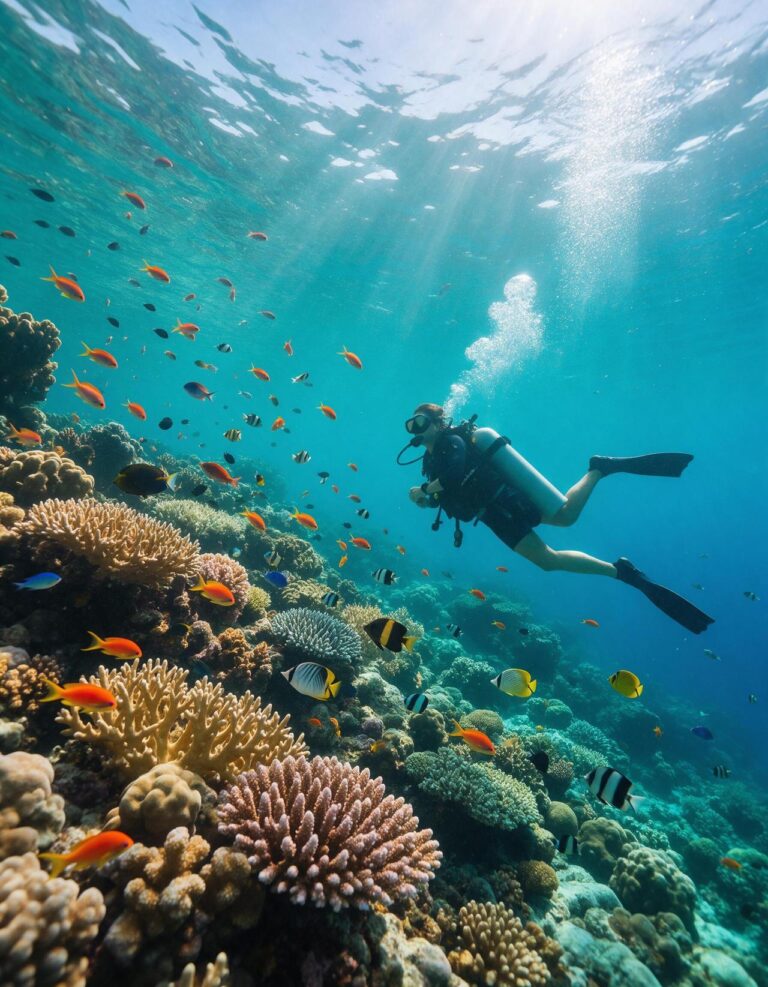
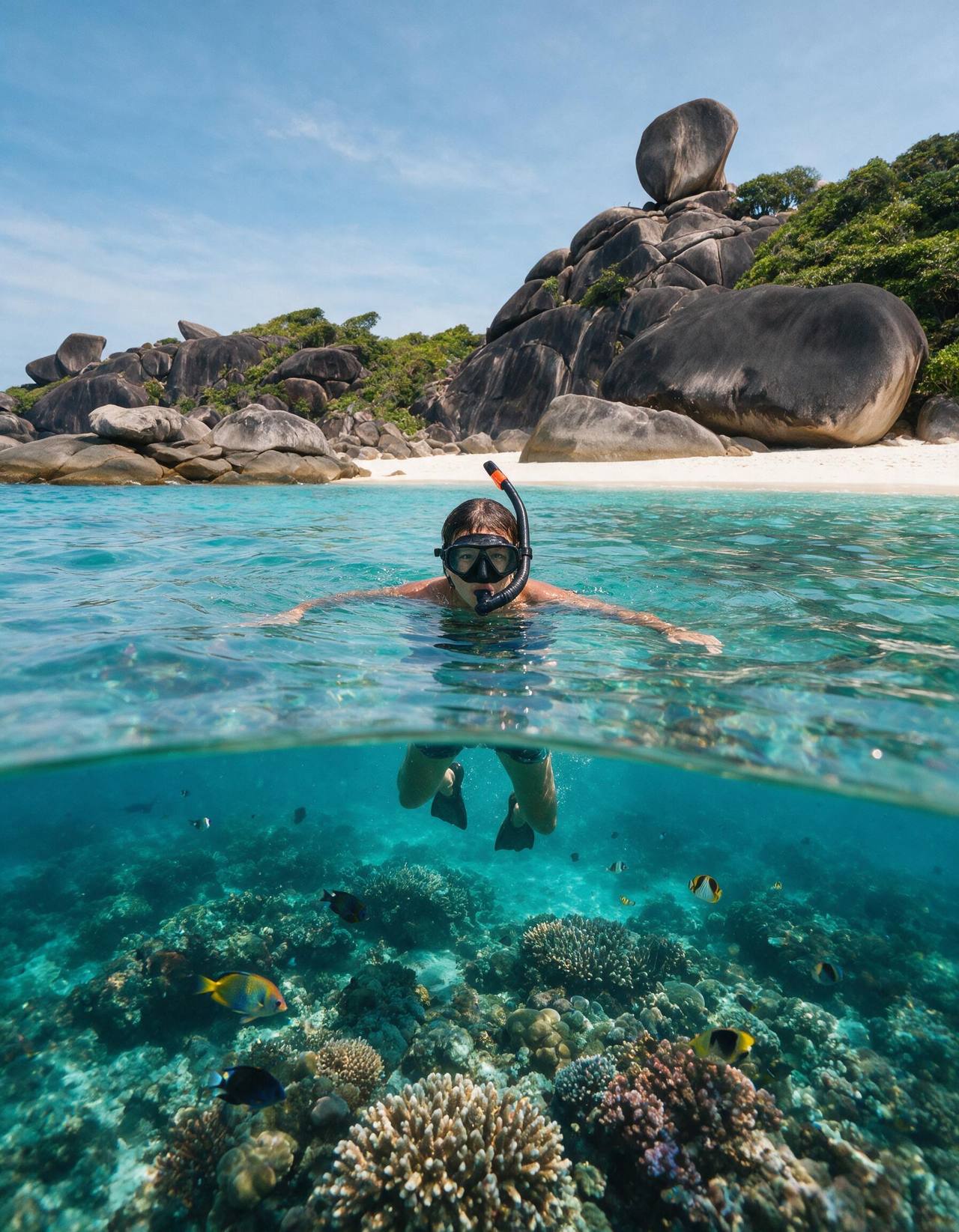
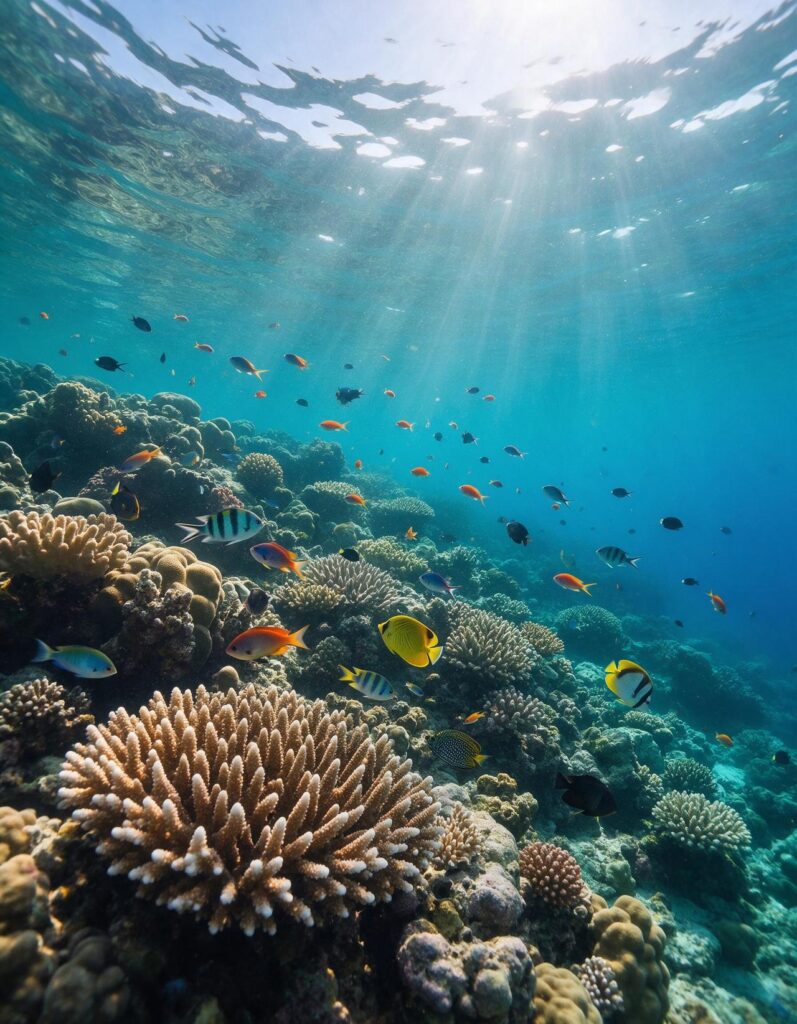
Koh Chang is a good base for island hopping, with several small islands nearby that offer excellent snorkelling and diving. Koh Rang, a marine park about an hour south, has some of the best snorkelling in the area, with clear water, coral gardens, and abundant fish. Koh Wai, Koh Laoya, and Koh Kradat are smaller islands with quiet beaches and simple bungalow accommodation. Most island-hopping tours depart from Bang Bao pier and include snorkelling stops, lunch, and beach time. For divers, Koh Chang has several dive sites, including the HTMS Chang wreck, a former Thai navy ship that was sunk to create an artificial reef and is one of the largest wreck dives in Thailand. Dive operators on the island offer courses and fun dives for all levels.
Practical Tips for Visitors
- Getting there: Koh Chang is accessible by ferry from the Laem Ngop pier near Trat, about 4-5 hours from Bangkok by car or bus. Ferries take about 30-45 minutes. There are also minibuses that connect Bangkok to Koh Chang with the ferry included.
- Best time: November to April is the dry season, with the best weather and calm seas. May to October is the rainy season, with some resorts closing and rough seas. September is typically the wettest month.
- Where to stay: White Sand Beach for convenience and nightlife, Klong Prao for families, Kai Bae for couples, Lonely Beach for backpackers. Budget bungalows from 500 THB, mid-range from 1,500 THB, luxury from 4,000 THB.
- Getting around: Songthaews run along the west coast road from White Sand Beach to Bang Bao for 50-100 THB per trip. Scooter rental is popular but roads are steep and winding; only experienced riders should attempt it.
- What to bring: Insect repellent (the jungle has mosquitoes), hiking shoes, reef-safe sunscreen, and a rain jacket. Most beaches have sun loungers and umbrellas for rent.
One of Koh Chang’s unique attractions is its elephant camps. Unlike the elephant riding camps found elsewhere in Thailand, Koh Chang has several ethical elephant sanctuaries where visitors can feed, bathe, and interact with rescued elephants in a natural setting. The most reputable include the Koh Chang Elephant Camp and Ban Kwan Chang, both of which focus on education and conservation rather than performance. The elephants here have been rescued from logging camps and tourist trekking operations, and the sanctuaries provide them with a safe, natural environment. Visiting an ethical elephant sanctuary is one of the most rewarding experiences on Koh Chang, offering a chance to learn about these magnificent animals and the conservation challenges they face in Thailand. It is also a reminder of why responsible tourism matters, as the choices visitors make directly influence the welfare of elephants across the country.