Songkran Water Festival Guide: How to Survive and Enjoy Thailand’s Craziest Holiday
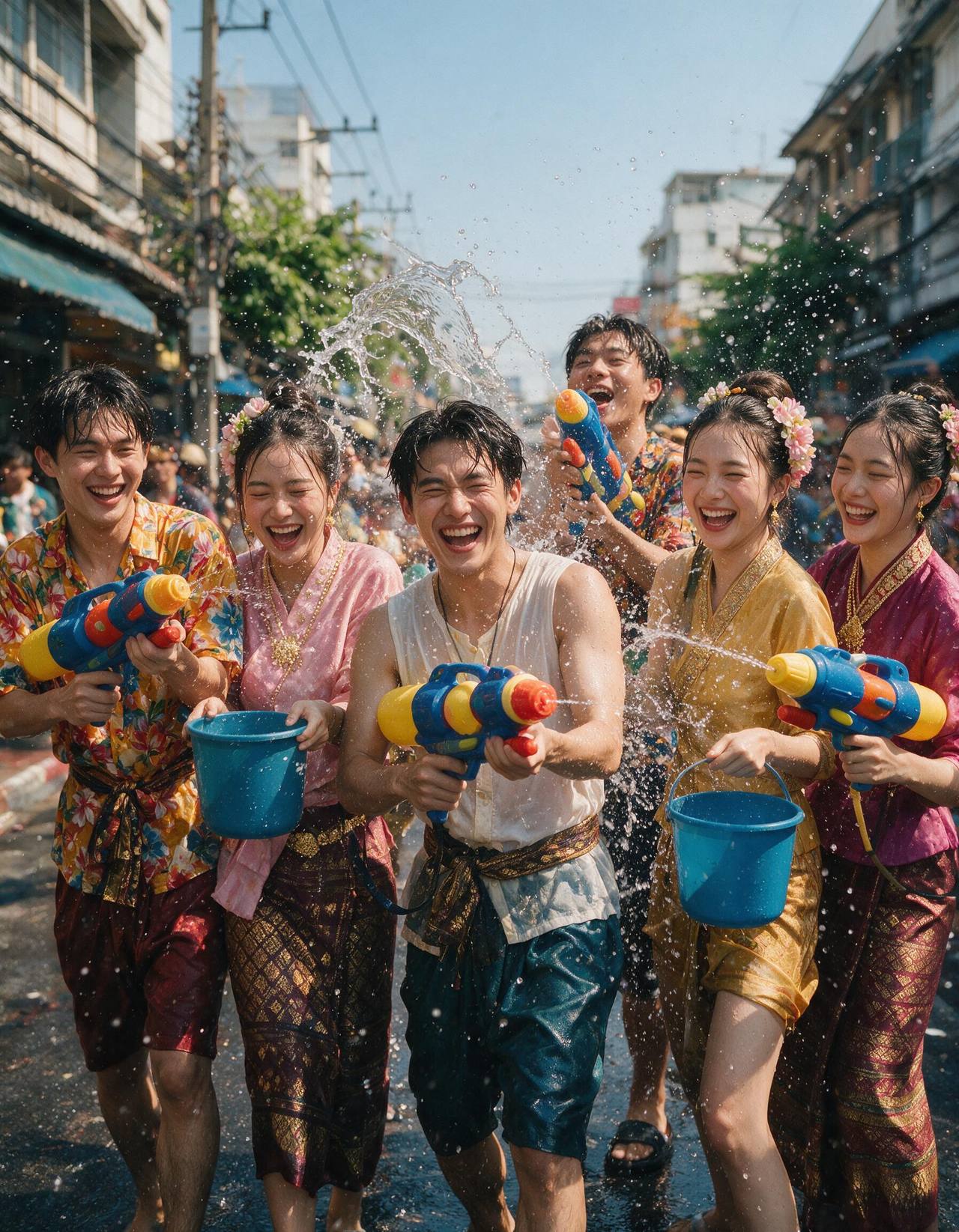
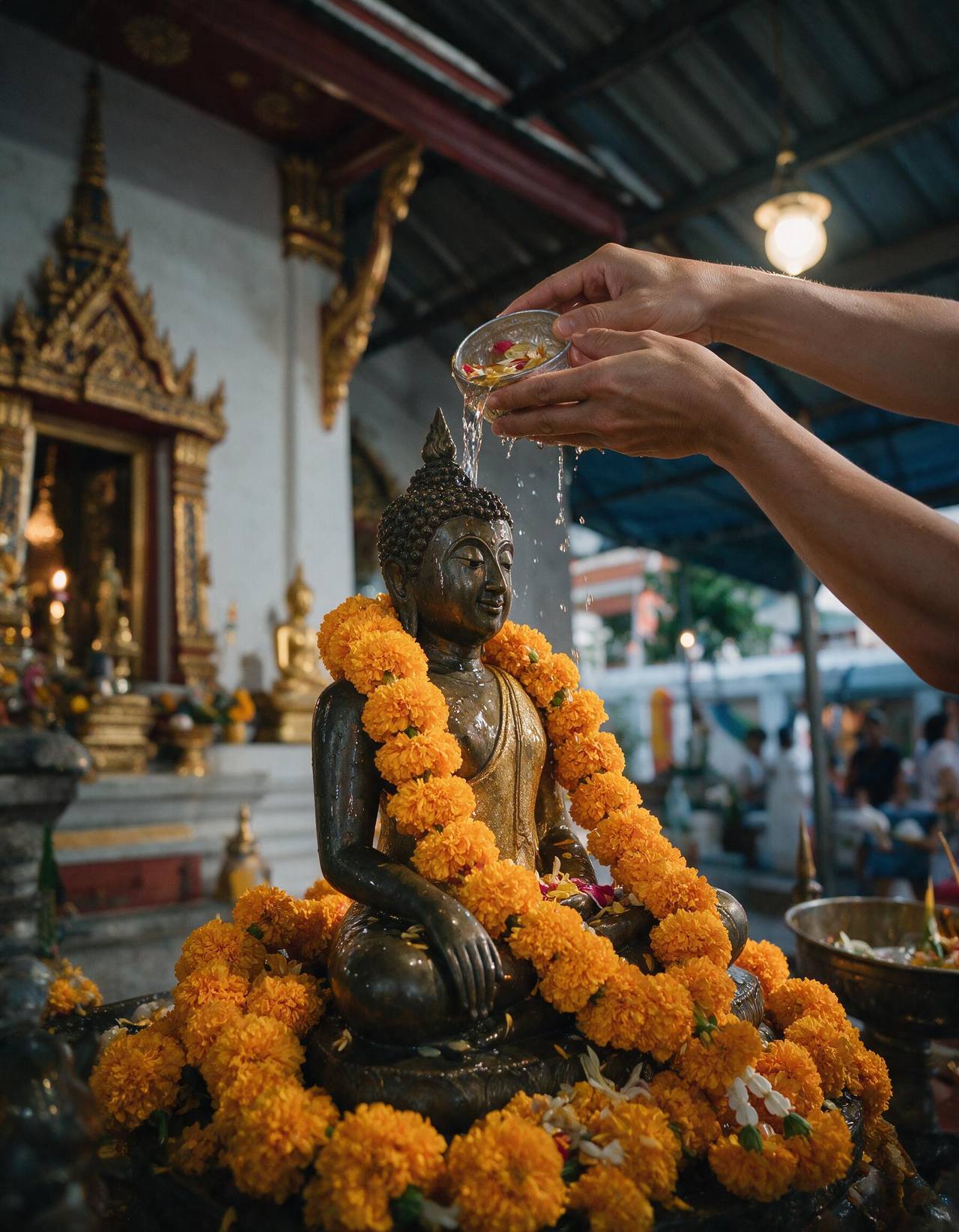
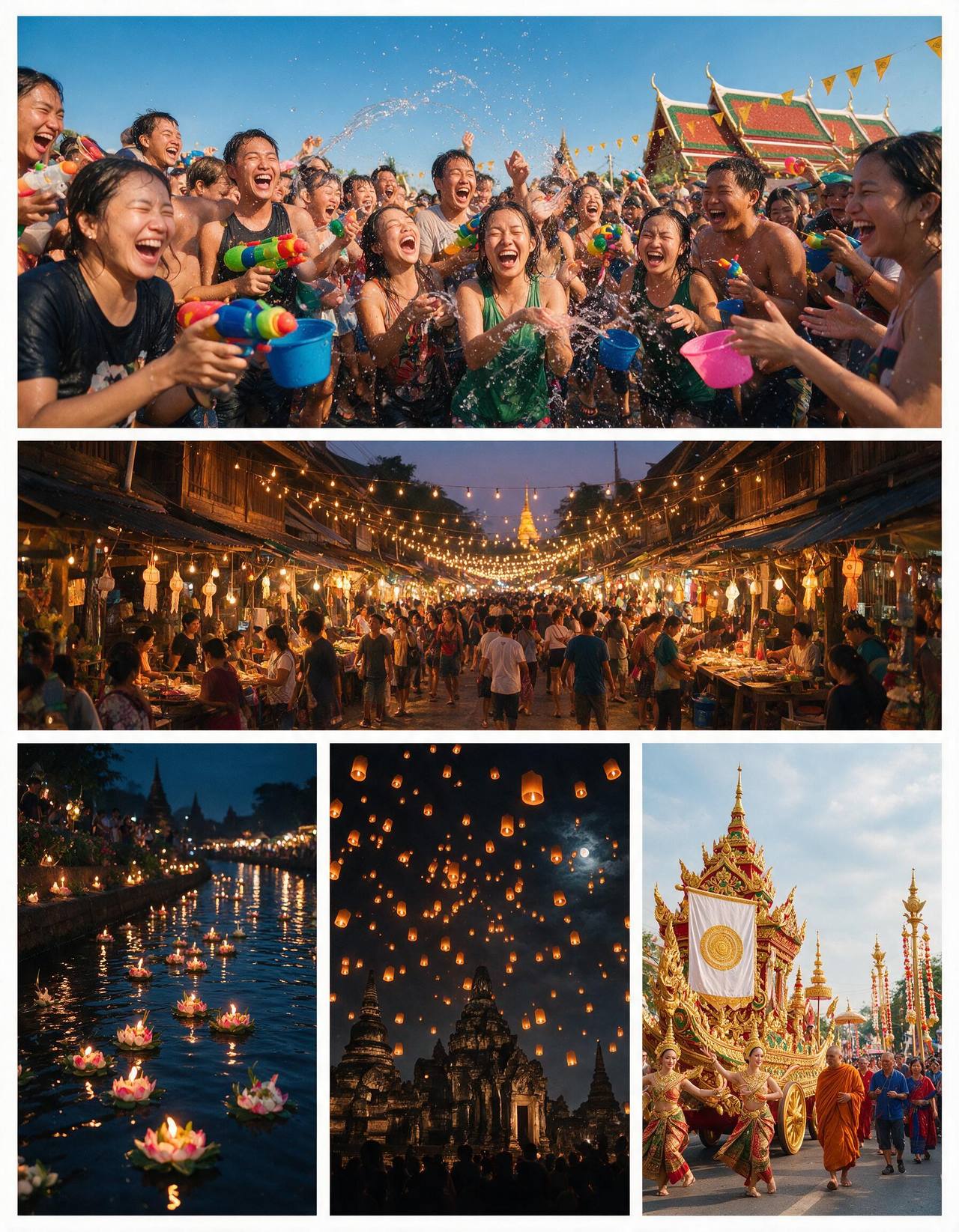
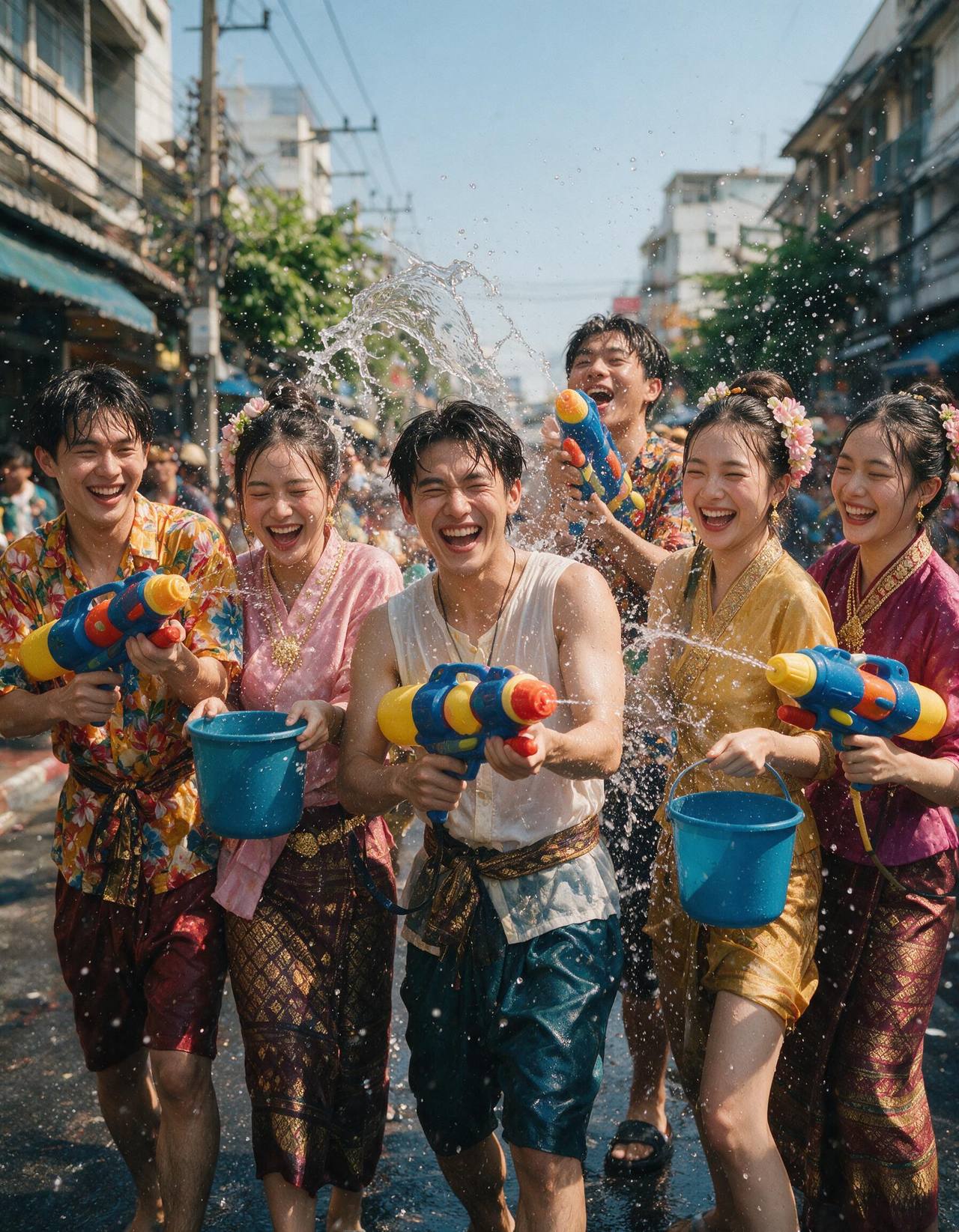
Songkran is the Thai New Year, celebrated from April 13 to 15 each year. It is the most important holiday in the Thai calendar and, for visitors, one of the most extraordinary cultural experiences available anywhere in the world. The festival’s original traditions — pouring scented water over Buddha statues, visiting family, and paying respect to elders — have evolved into a nationwide, three-day water fight that turns streets into rivers and strangers into friends.
The Meaning Behind the Madness
The word Songkran comes from Sanskrit and means “to move” or “to shift” — referring to the sun’s movement into a new zodiac sign, marking the start of the solar new year. Traditionally, families clean their homes, visit temples to make merit, pour scented water over Buddha images (a ritual called rot nam dam hua), and gently pour water over the hands of elders as a sign of respect and to ask for blessings.
The modern water fight evolved from the tradition of sprinkling water on others as a blessing. Over decades, the gentle sprinkling became pouring, then splashing, then full-scale warfare with water guns, buckets, hoses, and even elephants. The water symbolises washing away the past year’s misfortunes and starting fresh.
Where to Celebrate Songkran
Bangkok: Silom Road and Khao San Road
Silom Road becomes a three-kilometre water war zone. The street is closed to traffic and packed with people armed with water guns, buckets, and hoses. Bars and shops along the street set up water stations and blare music. Khao San Road is similar but more chaotic and backpacker-heavy. The vibe is a mix of street party, water fight, and cultural celebration. Be prepared to be soaked from head to toe within minutes.
Chiang Mai: The Old City Moat
Chiang Mai is my personal favourite place for Songkran. The moat surrounding the Old City becomes the primary battleground. People line both sides of the moat, and the traffic circle becomes a slow-moving parade of songthaews (red trucks) full of people throwing water. The atmosphere is more family-oriented and traditional than Bangkok, with temple visits, sand-building competitions (where people bring sand to temples to replace what they have carried away on their shoes over the year), and beauty pageants.
Phuket: Patong Beach and Bangla Road
Phuket’s Songkran celebration centres on Bangla Road and the surrounding streets of Patong. It is a beach-meets-water-fight experience — you can swim, fight, and party all in one day. The island atmosphere is more tropical and relaxed than Bangkok.
Pattaya: The Extended Celebration
Pattaya extends Songkran into what is called “Wan Lai” — a continuation of water-throwing that can last a full week. The beach road and Walking Street are the main areas. If you want maximum Songkran, Pattaya gives you the longest celebration.
Songkran Survival Guide
What to Wear
- Quick-dry clothing (synthetic fabrics, not cotton which stays wet and heavy).
- Dark-coloured clothing (light fabrics become transparent when wet).
- Water shoes or sandals with good grip (streets become slippery).
- A hat or cap to protect from the sun.
- Sunglasses (water and sun in the eyes is a bad combination).
Protecting Your Belongings
- Waterproof phone pouch: Available at every 7-Eleven and street stall for about 50-100 THB ($1.50-$2.85 USD). Essential — your phone WILL get wet.
- Leave valuables at the hotel: Passport, laptop, expensive camera — leave them in your room safe.
- Cash in a waterproof bag: Take only what you need for the day (300-500 THB is plenty).
- No paper money in pockets: It will disintegrate. Use coins or keep money in a waterproof pouch.
Water Gun Strategy
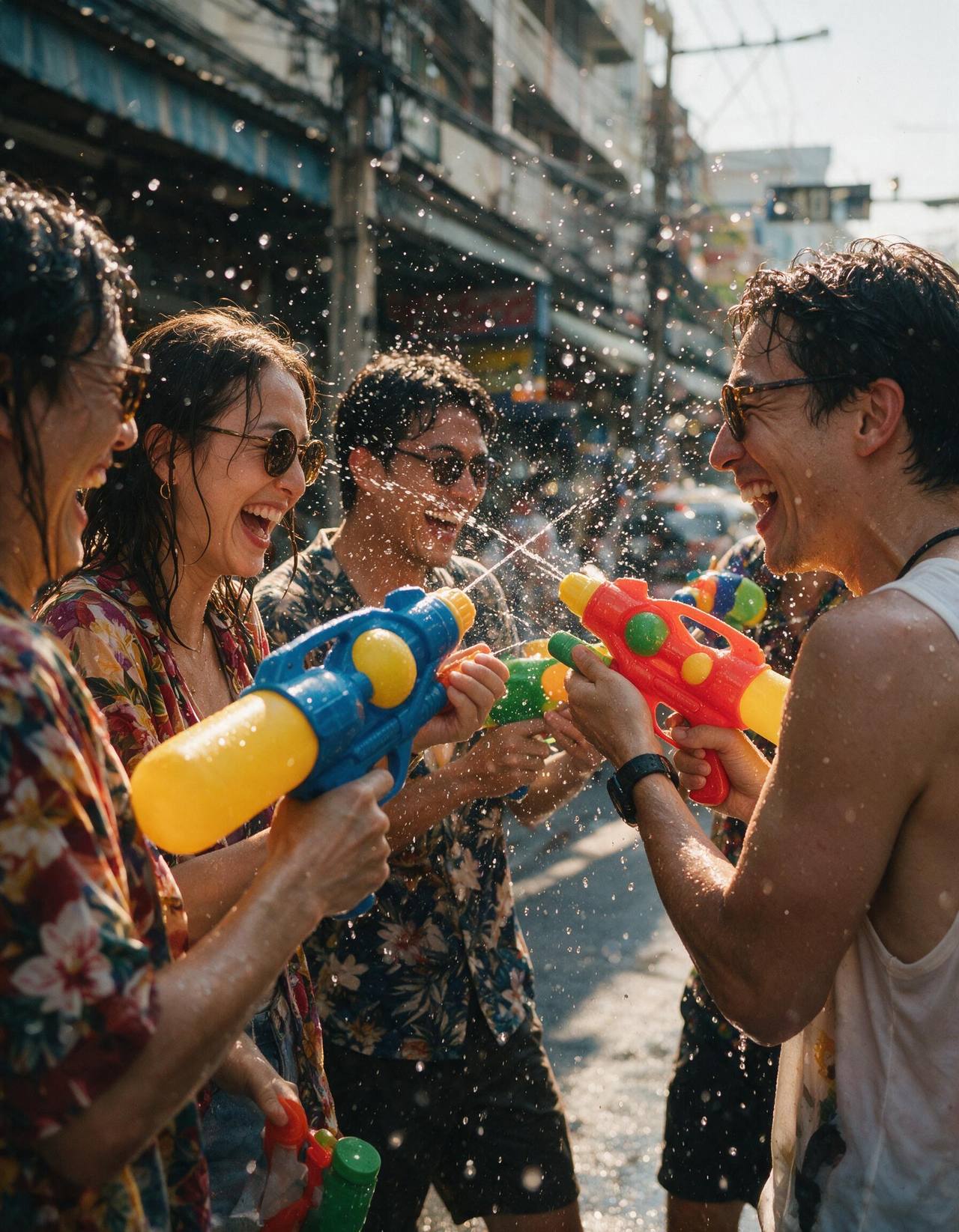
- Buy locally: Water guns (nam bun) are sold everywhere during Songkran, from 100-500 THB ($2.85-$14 USD) depending on size and power.
- Super soakers are best: The pump-action type with a backpack water supply gives you the most range and capacity.
- Buckets are underrated: A simple bucket from a water station can drench someone instantly. They are cheap and effective.
- Refill stations: Every street and bar sets up water stations (often free, sometimes 10-20 THB per refill). You will never run out of water.
Cultural Etiquette During Songkran
- Do not throw water at monks: Monks are exempt from the water fight. Do not throw water at them, at motorcyclists at high speed, or at elderly people who are clearly not participating.
- Do not use ice-cold water: Some people put ice in their water. This is considered inconsiderate — the water is already refreshing, there is no need to freeze someone.
- Respect traditional ceremonies: If you visit a temple during Songkran, behave respectfully. The water fights happen on the streets, not inside temples.
- Say Sawasdee Pi Mai: This means “Happy New Year” in Thai. Saying it to people who throw water at you turns an ambush into a greeting.
- Smile and be a good sport: If someone soaks you, do not get angry. It is a blessing. Smile, laugh, and soak them back.
Traditional Songkran Activities (Beyond the Water Fight)
- Visit a temple: Go in the morning (before the water fight starts). Pour scented water over Buddha images and make merit by offering food to monks.
- Rot nam dam hua: The ceremony of pouring water over the hands of elders to ask for their blessings. If you are staying at a guesthouse or hotel with Thai staff, you may be invited to participate.
- Sand pagoda building: In Chiang Mai, people bring sand to temples and build small pagodas (chedi sai) as a form of merit-making. This is a beautiful, quieter tradition.
- Watch the Songkran beauty pageant: Most cities host parades and pageants to select the “Miss Songkran” — a woman who represents the new year. These are colourful, community events.
Practical Information
- Dates: April 13-15 officially. Some areas (especially Pattaya) extend to April 19. The water fighting typically starts on the 13th and peaks on the 15th.
- Best time of day: Water fighting runs from about 10:00 AM to 6:00 PM. Morning is less crowded, afternoon is peak intensity.
- Transport: Many roads are closed. BTS and MRT in Bangkok are the best way to get around. Songthaews in Chiang Mai run but the route is modified. Taxis are difficult during peak hours.
- Accommodation: Book well in advance. Songkran is peak domestic travel season. Prices increase 30-50% during this period.
- Weather: April is the hottest month in Thailand (35-40C). The water is genuinely refreshing. Just stay hydrated — drink bottled water between water fights.
A Local’s Final Tip
Songkran is the one time of year when all social barriers dissolve. Rich and poor, young and old, Thai and foreigner — everyone is equal when everyone is soaking wet. It is the most joyful, most communal, most alive Thailand gets. If you can plan your trip to include April 13-15, do not hesitate. Buy the biggest water gun you can find, smile until your face hurts, and prepare to make memories that will define your entire Thailand experience. Sawasdee Pi Mai!