Loy Krathong Festival Guide: Thailand’s Festival of Lights Explained
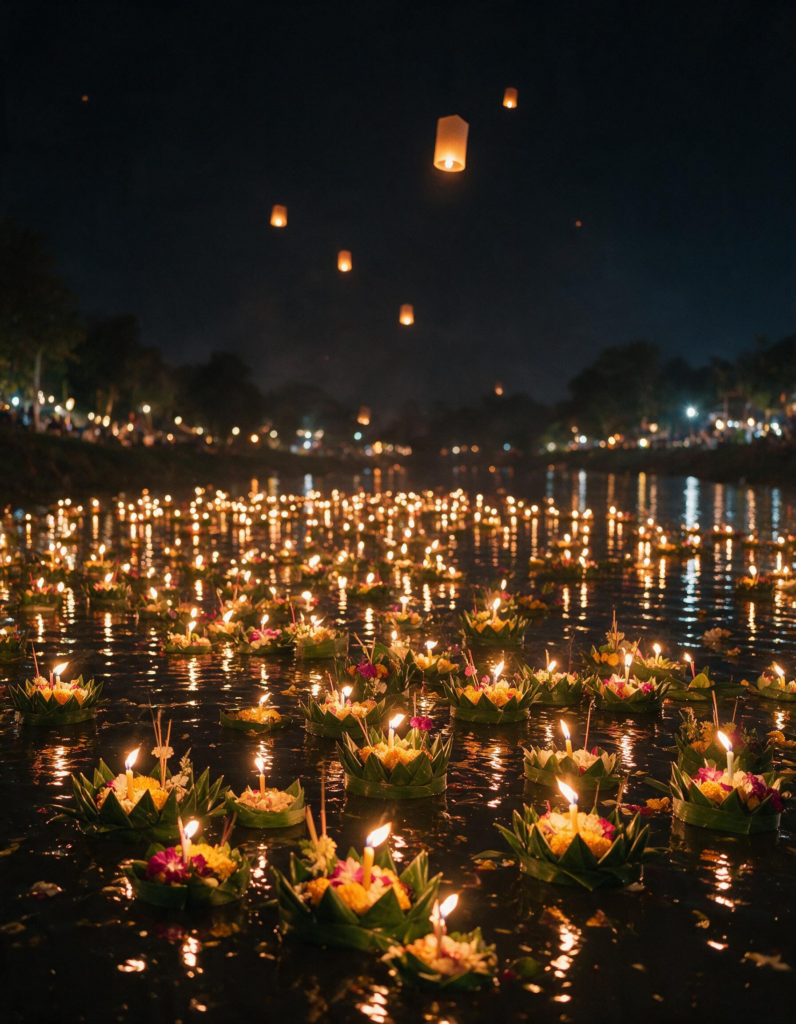
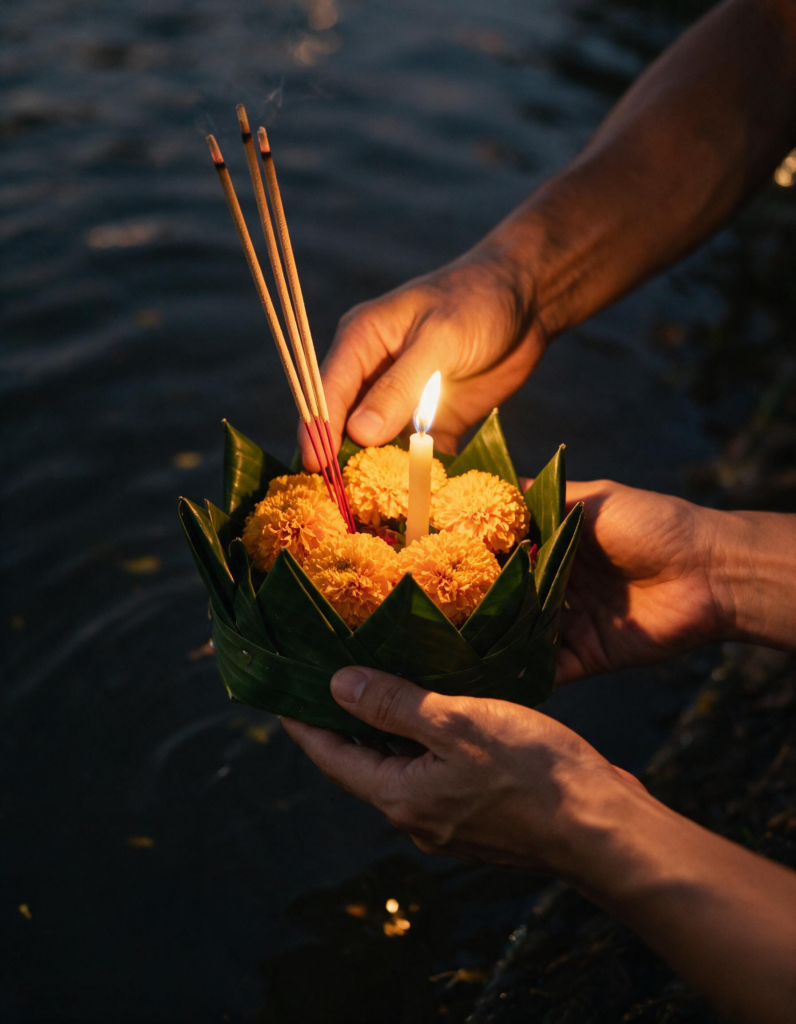
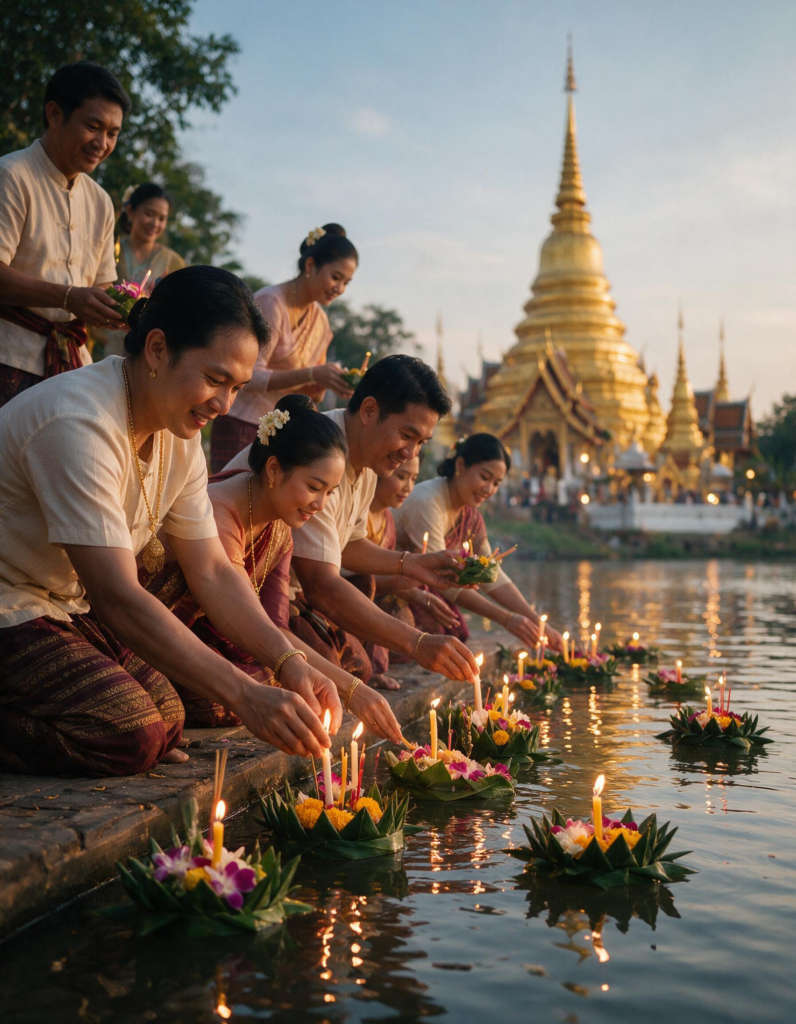
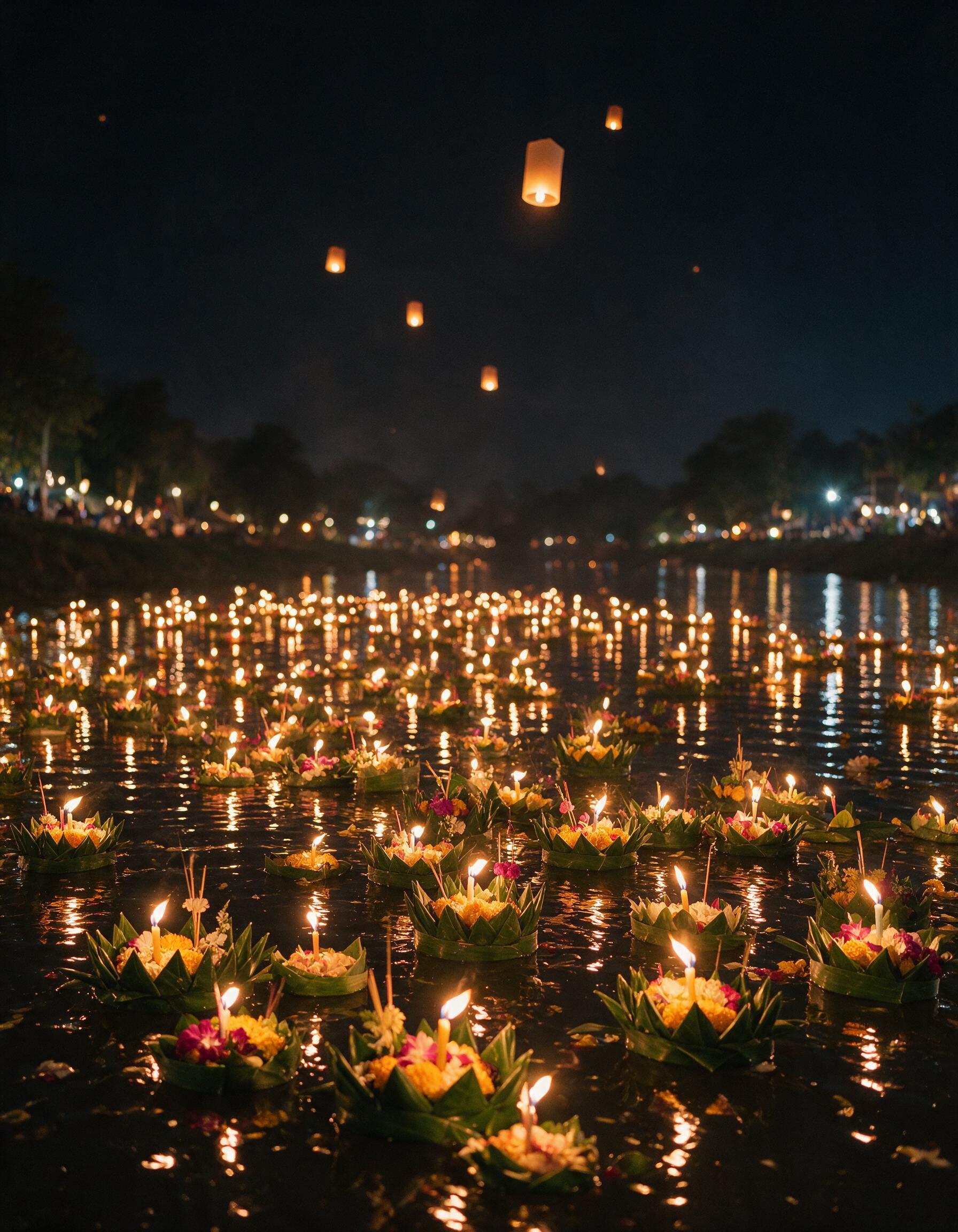
Loy Krathong is one of Thailand’s most beautiful and beloved festivals. It takes place on the evening of the full moon of the 12th month in the traditional Thai lunar calendar, which usually falls in November. On this night, people gather at rivers, canals, lakes, and ponds throughout the country to float small, decorated baskets (krathong) adorned with candles, flowers, and incense. The act of floating the krathong symbolises letting go of grudges, anger, and misfortune from the past year, and welcoming a fresh start.
The Meaning and History
Loy Krathong is believed to have originated in the Sukhothai Kingdom (13th-15th century). According to legend, a consort named Nang Nopphamat created the first krathong as a beautiful offering to the river goddess, Phra Mae Khongkha. The festival combines Hindu and Buddhist traditions — the floating of the krathong honours the water goddess and asks for forgiveness for polluting the waters, while the candle light pays respect to the Buddha.
The word loy means “to float” and krathong refers to the basket or container. Traditionally, krathong are made from a slice of banana tree trunk (which is naturally buoyant), decorated with folded banana leaves, marigolds, lotus flowers, a candle, and three incense sticks. Modern, eco-friendly versions are made from bread or biodegradable materials.
When and Where to Celebrate
Loy Krathong falls on the full moon night, which changes each year (usually mid-November). Key dates in coming years: November 5-6, 2025; November 24-25, 2026; November 13-14, 2027. The festival is celebrated nationwide, but some locations are particularly spectacular.
Chiang Mai: Loy Krathong and Yi Peng Combined
Chiang Mai is the best place to experience Loy Krathong because the northern festival of Yi Peng (the lantern festival) coincides with it. Here, in addition to floating krathong on the Ping River and the Old City moat, thousands of sky lanterns (khom loi) are released into the air. The combination of floating water candles and rising sky lanterns is one of the most visually stunning spectacles in the world. Key locations: the Iron Bridge (Saphan Lek), Nawarat Bridge, and the banks of the Ping River.
Bangkok: Rivers and Canals
In Bangkok, the Chao Phraya River is the centre of celebrations. Hotels and parks along the river host events, and piers become gathering points for krathong floating. Key locations: Asiatique The Riverfront, Santi Chai Prakan Park (near Phra Athit Pier), and the King Rama VIII Bridge area. The Chao Phraya Express boats often run special late services.
Sukhothai: The Origin
Sukhothai Historical Park, the site of the ancient capital where the festival is believed to have originated, hosts a grand celebration with a light-and-sound show, traditional performances, and a beauty pageant. The park’s ancient ponds and canals are illuminated with thousands of krathong. This is the most historically authentic setting, though it requires travel to a relatively remote area.
Ayutthaya: The Ancient Capital
Ayutthaya Historical Park, the former capital of Siam, hosts celebrations along the Chao Phraya, Lopburi, and Pa Sak rivers that surround the old city. The ruins provide a stunning backdrop for the floating lights.
How to Participate
Making or Buying a Krathong
Krathong are sold at markets, street stalls, and near every body of water on the festival night. Prices range from 30-100 THB ($0.85-$2.85 USD). Choose one made from natural materials (banana trunk, banana leaves, bread) rather than styrofoam, which is environmentally harmful and increasingly banned. Many markets also sell DIY kits where you can decorate your own.
The Floating Ritual
- Light the candle and the three incense sticks.
- Hold the krathong in your hands, close your eyes, and make a wish or say a prayer. Many Thais also pull out a strand of hair or a fingernail and place it in the krathong, symbolising letting go of a part of themselves.
- Gently place the krathong on the water surface. Do not push it or throw it — let it float naturally.
- Watch it drift away. If the candle stays lit as it floats away, it is believed your wish will come true.
- Do not retrieve your krathong or anyone else’s — let them float.
Releasing Sky Lanterns (Chiang Mai Only)
In Chiang Mai, releasing a khom loi (sky lantern) is an essential part of the experience. Lanterns are sold at street stalls for 30-80 THB ($0.85-$2.30 USD). To release one:
- Find an open area away from trees, power lines, and buildings. (The Ping River banks are ideal — the water provides a safety barrier below.)
- Hold the lantern upright and light the fuel cell (a small wax pad) at the bottom.
- Hold the lantern by its rim (not the bottom, which gets hot) until the hot air fills it and it begins to pull upward. This takes about 30-60 seconds.
- Release it gently. Watch it rise.
- Make a wish as it floats away into the sky.
What to Wear
Many Thais wear traditional clothing for Loy Krathong. Women wear chut thai phra ratcha niyom (traditional Thai dress) and men wear ratcha pat (traditional shirts). If you have access to traditional Thai clothing, wearing it adds to the experience. If not, smart casual clothing is fine. In Chiang Mai, you may also wish to wear something warm — November evenings in the north can be cool (18-22C).
Practical Tips
- Arrive early: The best riverbank and bridge spots fill up by 5:00 PM. The peak activity is from 7:00 PM to 10:00 PM.
- Bring a lighter or matches: For lighting candles and lanterns. Vendors sometimes have them, but having your own is easier.
- Cash: Bring 200-500 THB for krathong, lanterns, food, and drinks. Most vendors are cash-only.
- Photography: Loy Krathong is one of the most photogenic nights of the year. Bring a camera with good low-light capability. A tripod helps for long-exposure shots of the floating lights.
- Be careful with fire: Sky lanterns involve open flame. Do not release them near buildings, trees, power lines, or airports. Chiang Mai has designated release zones — follow local guidance.
- Eco-friendly choice: Choose krathong made from bread or banana leaves, not styrofoam. The morning after Loy Krathong, volunteers clean thousands of krathong from rivers — choosing biodegradable ones makes their work easier and protects the waterways.
The Emotional Experience
Loy Krathong is more than a festival — it is a moment of collective release. Standing on a riverbank, surrounded by thousands of floating candles, each one carrying someone’s hope, regret, or wish, you feel connected to every person there. It is quiet, it is beautiful, and it stays with you. If you can plan your Thailand trip around the November full moon, you will experience something that no photograph can fully capture. It is the Thailand that lives in the heart.